
Description
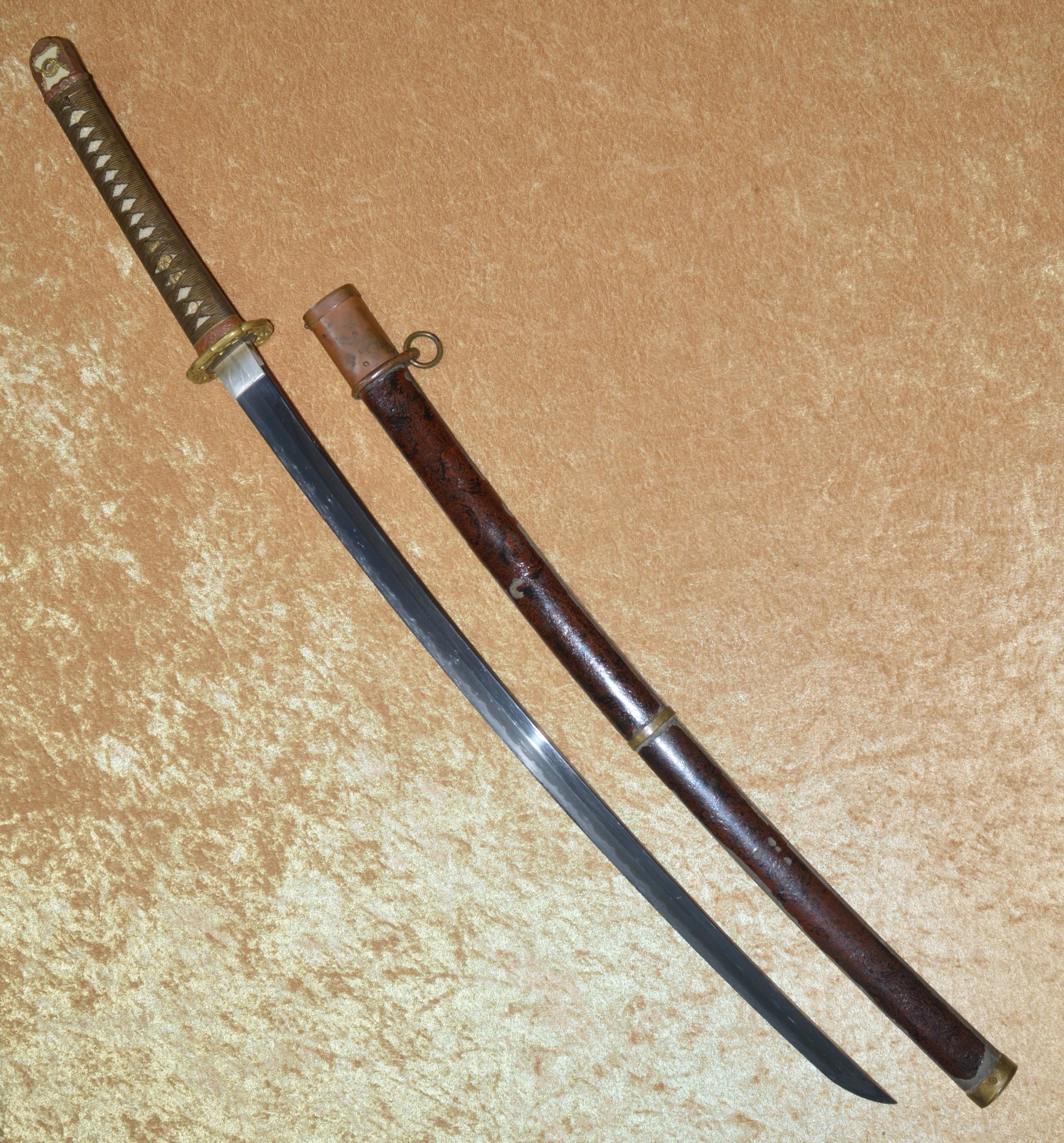
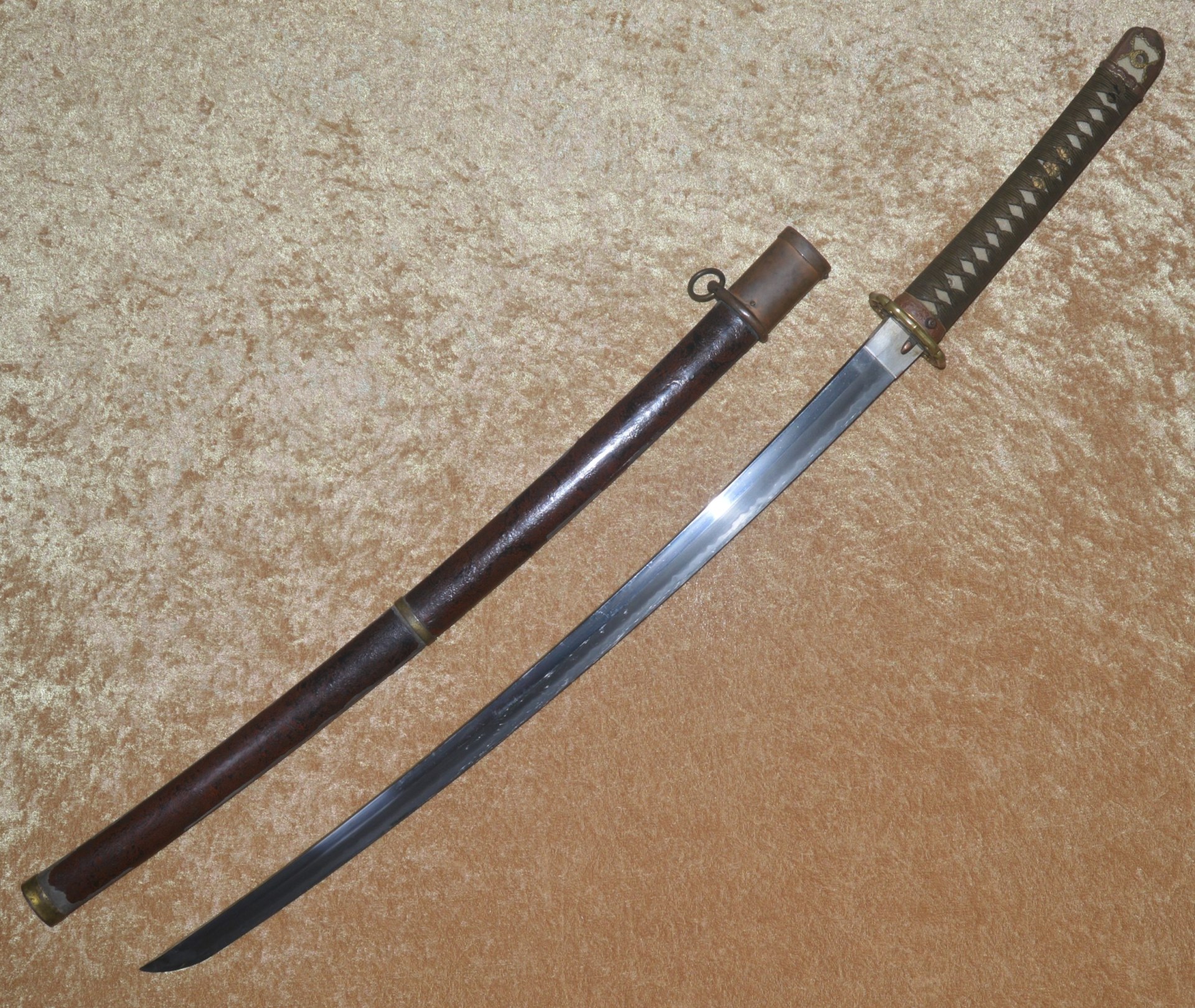
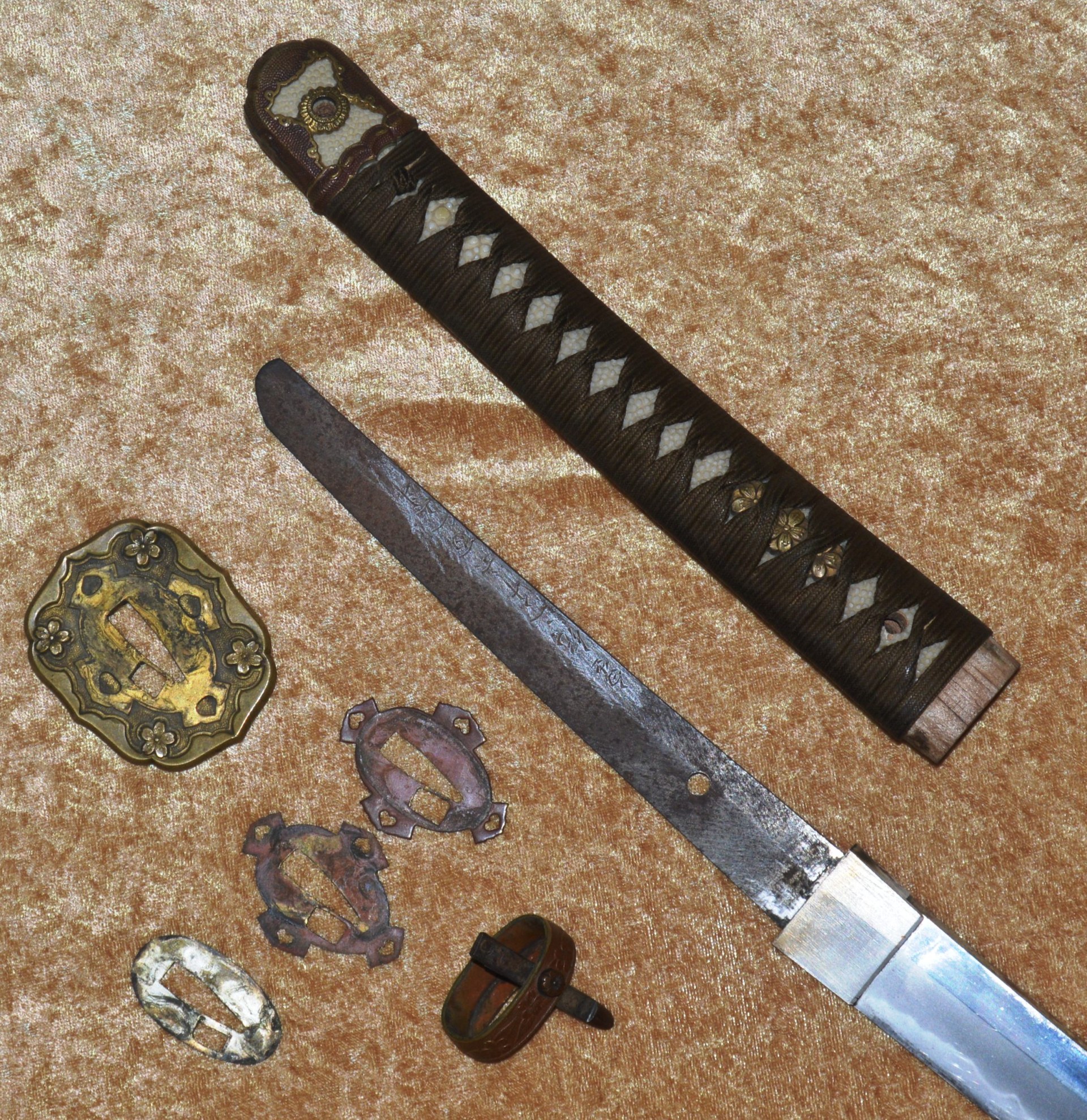
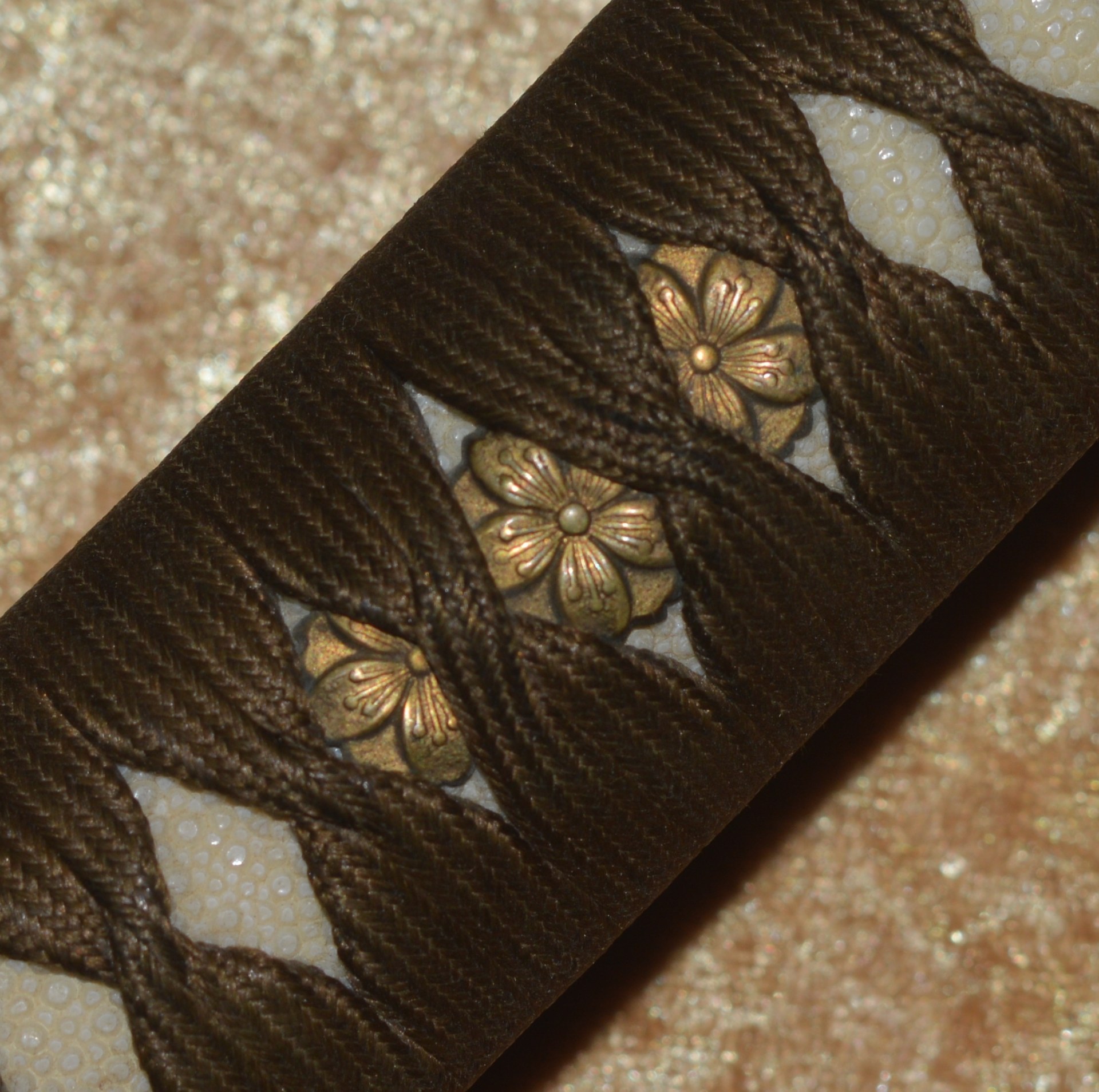
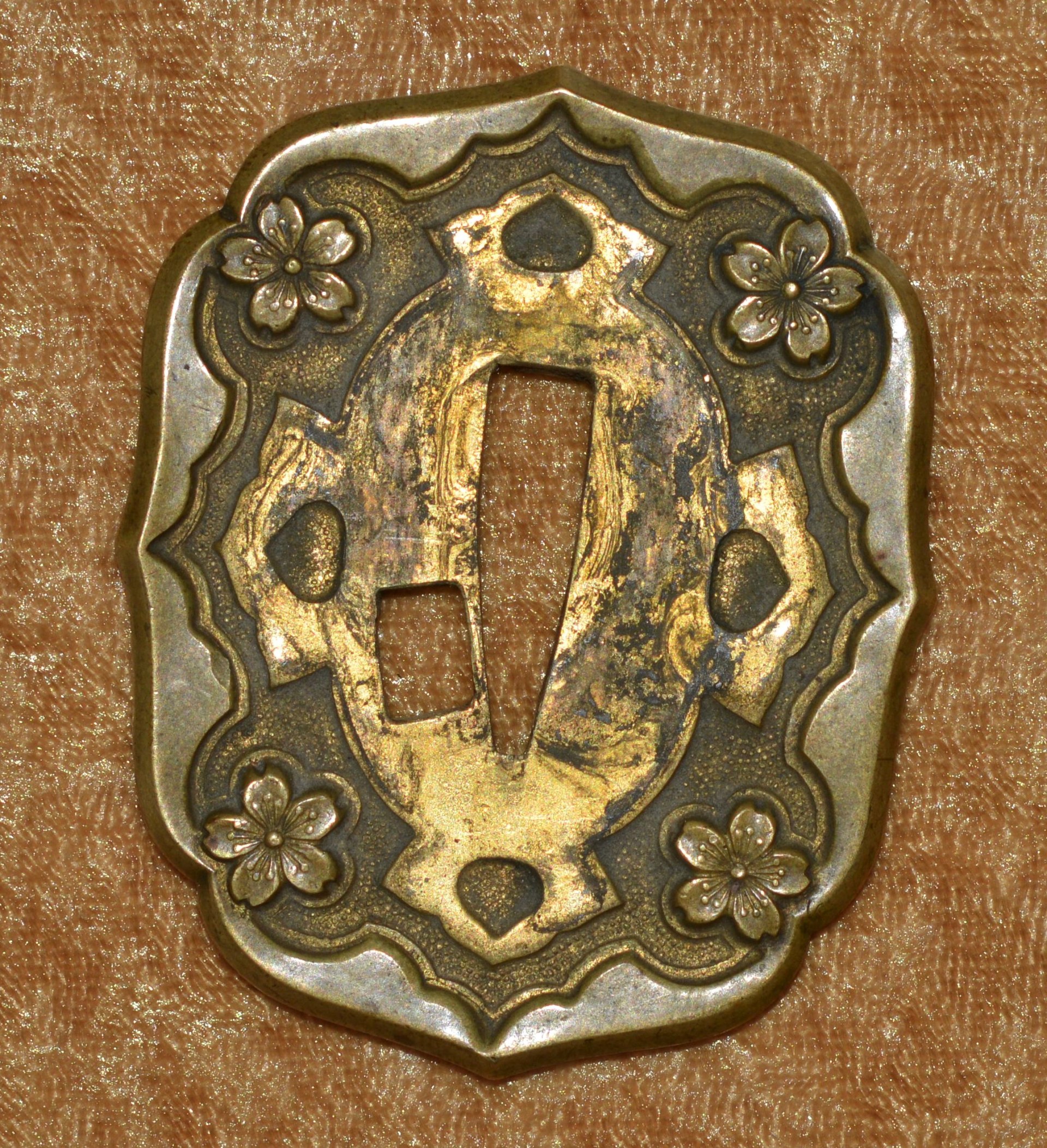
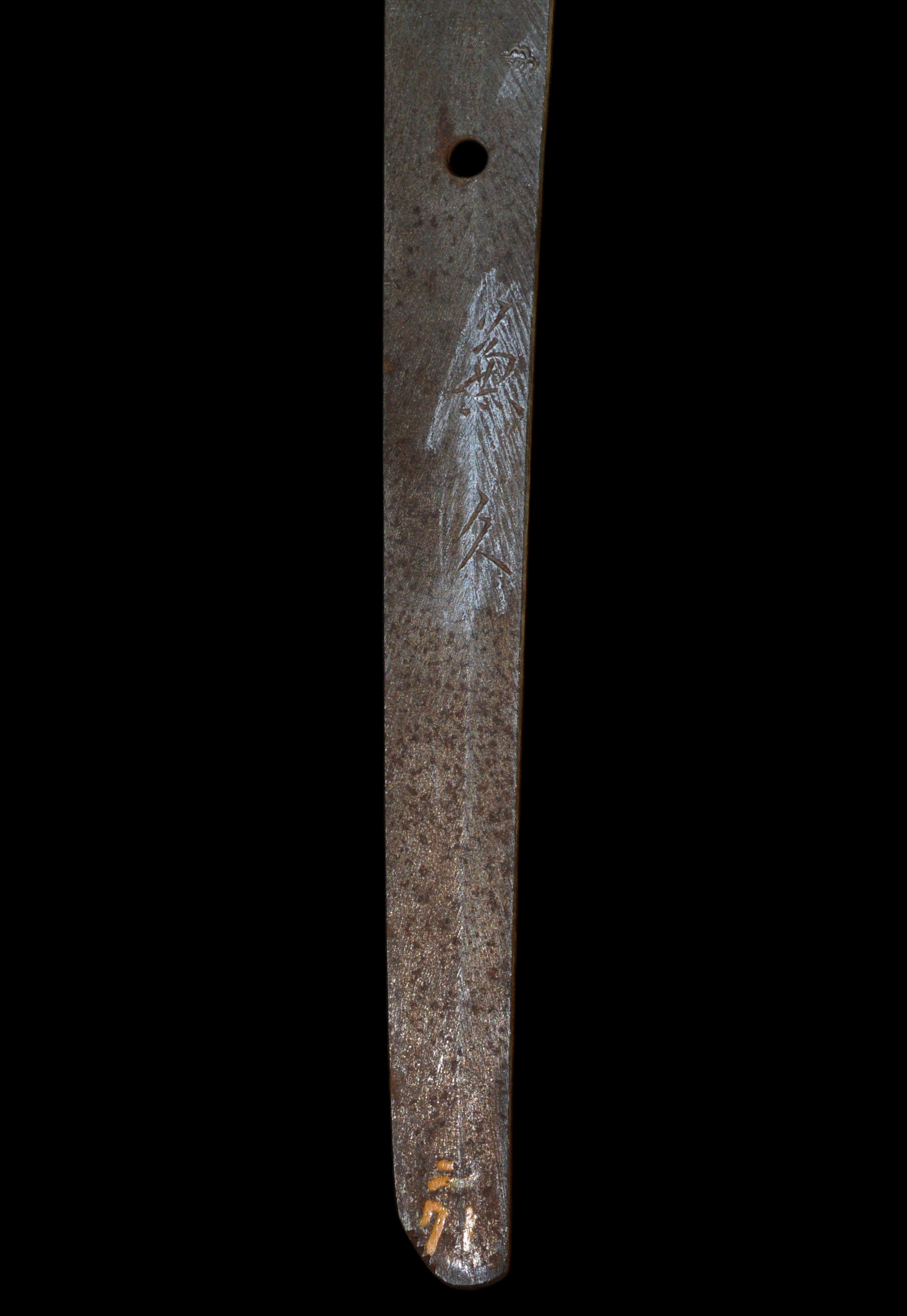
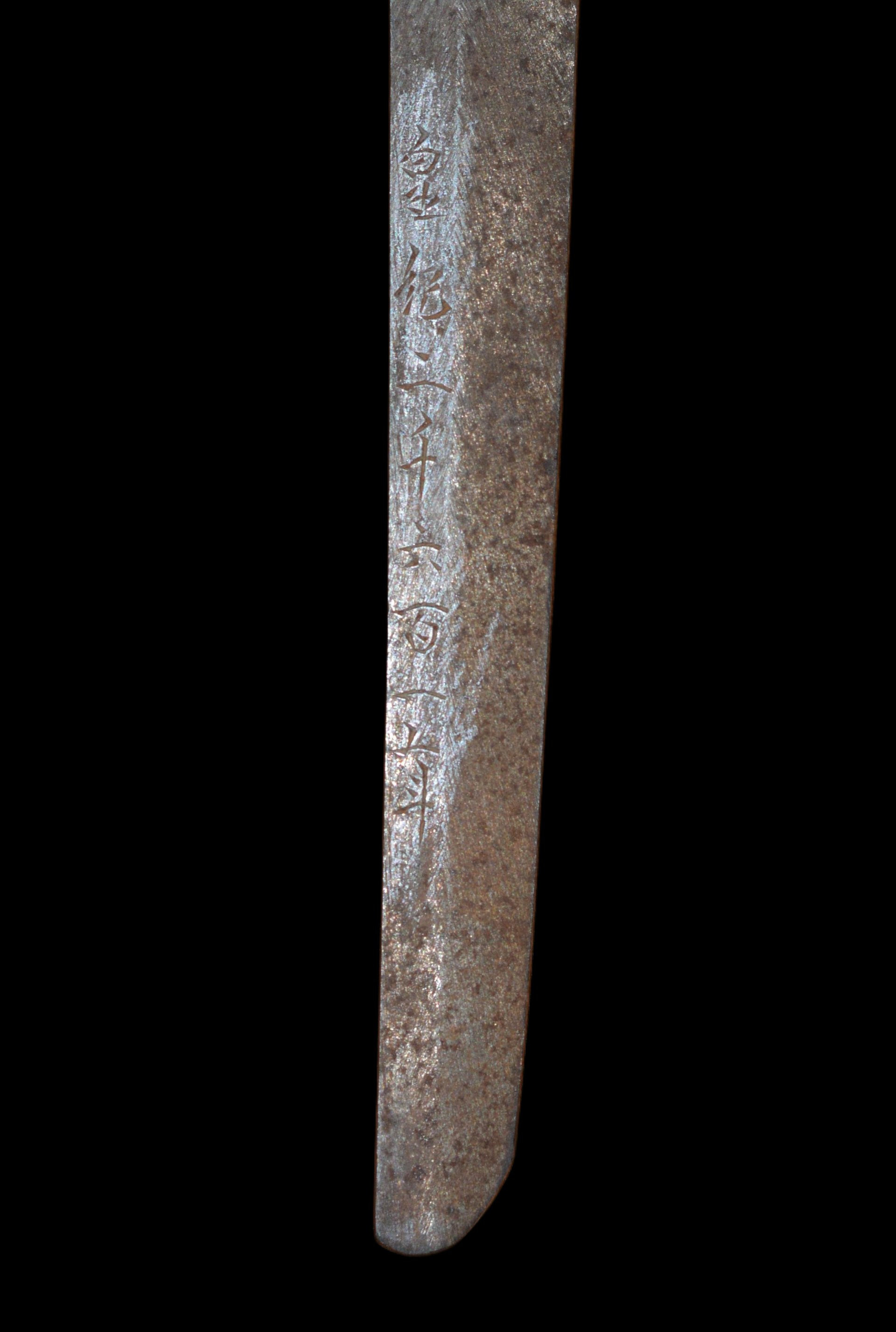
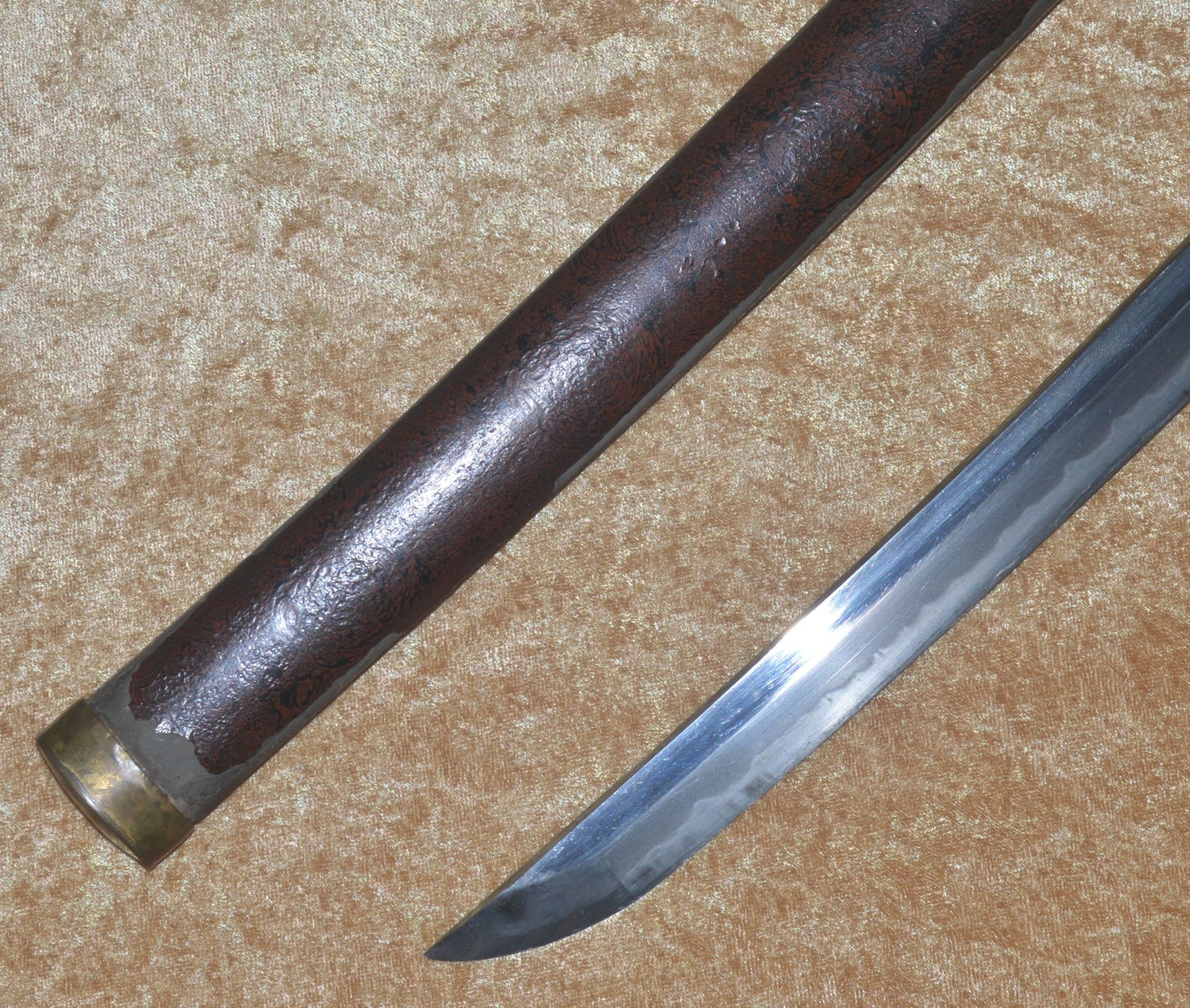
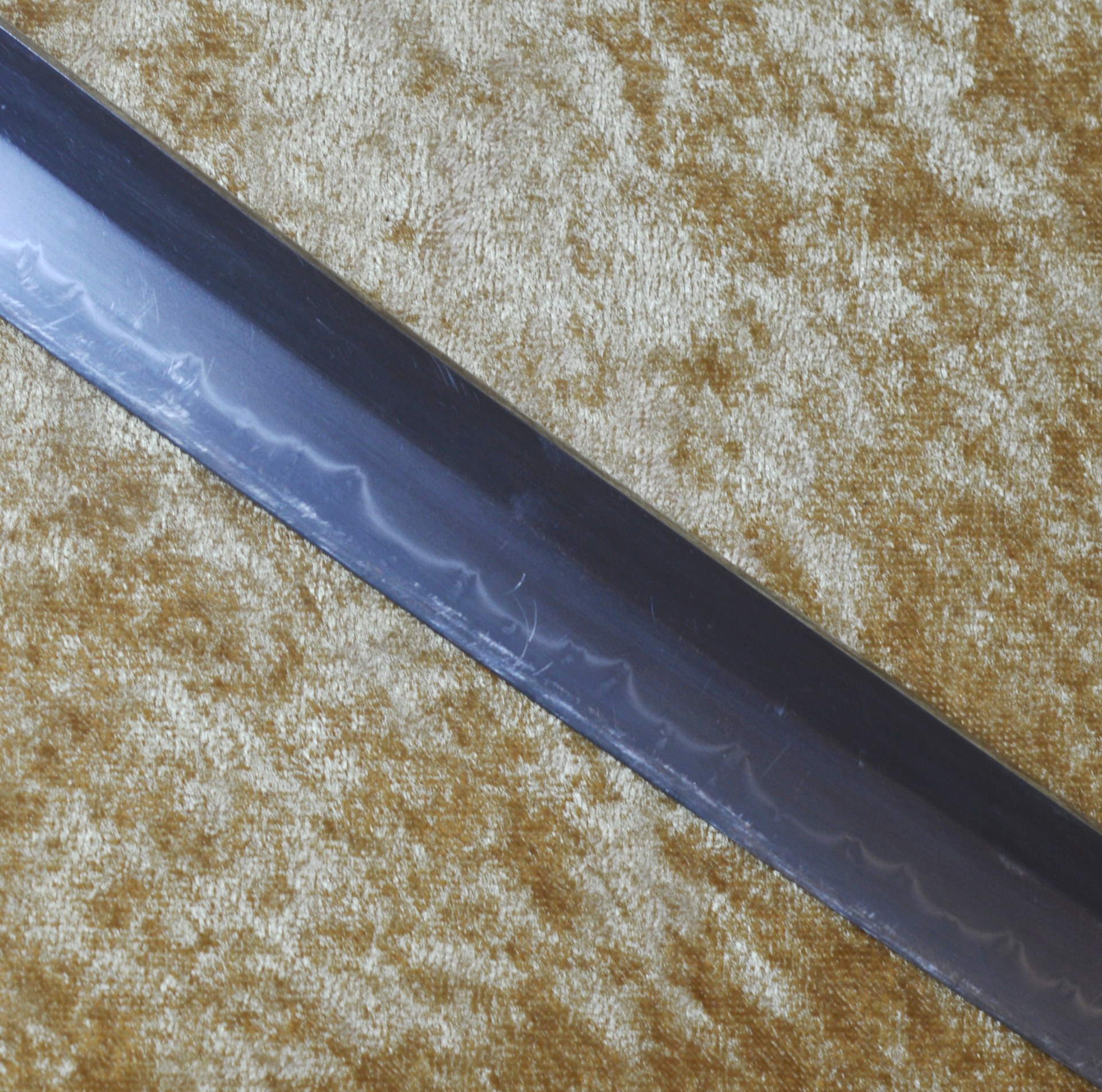
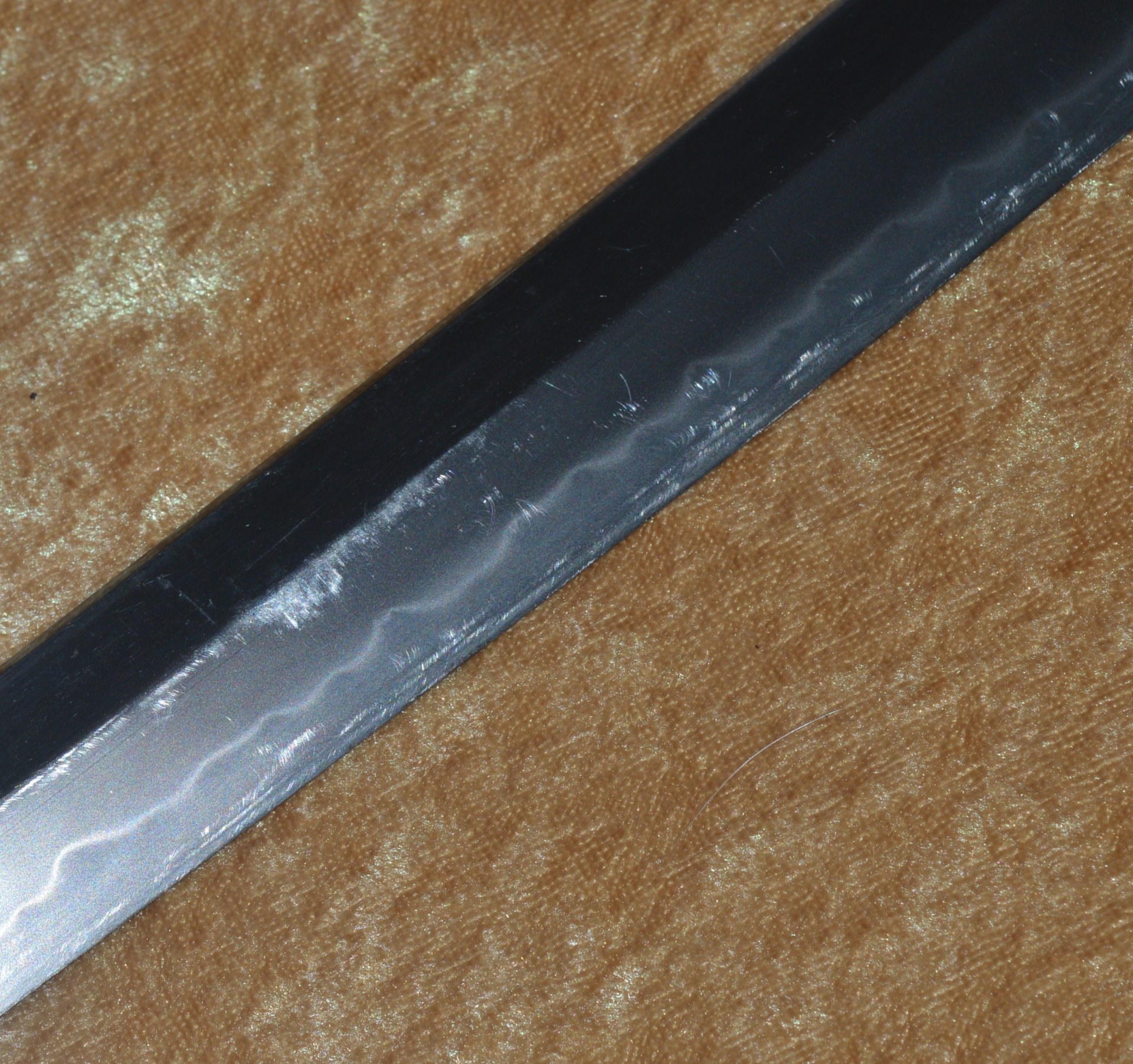
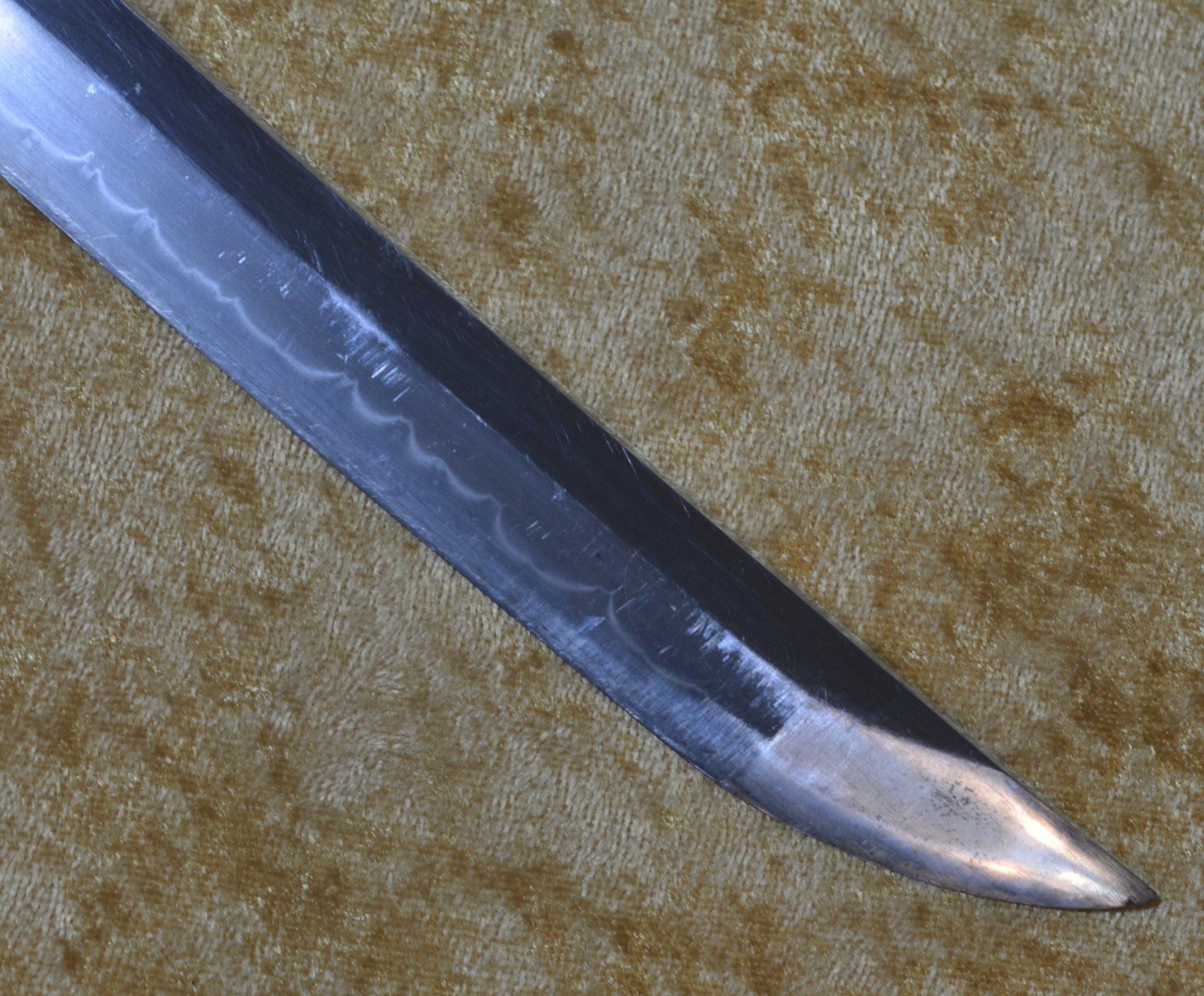
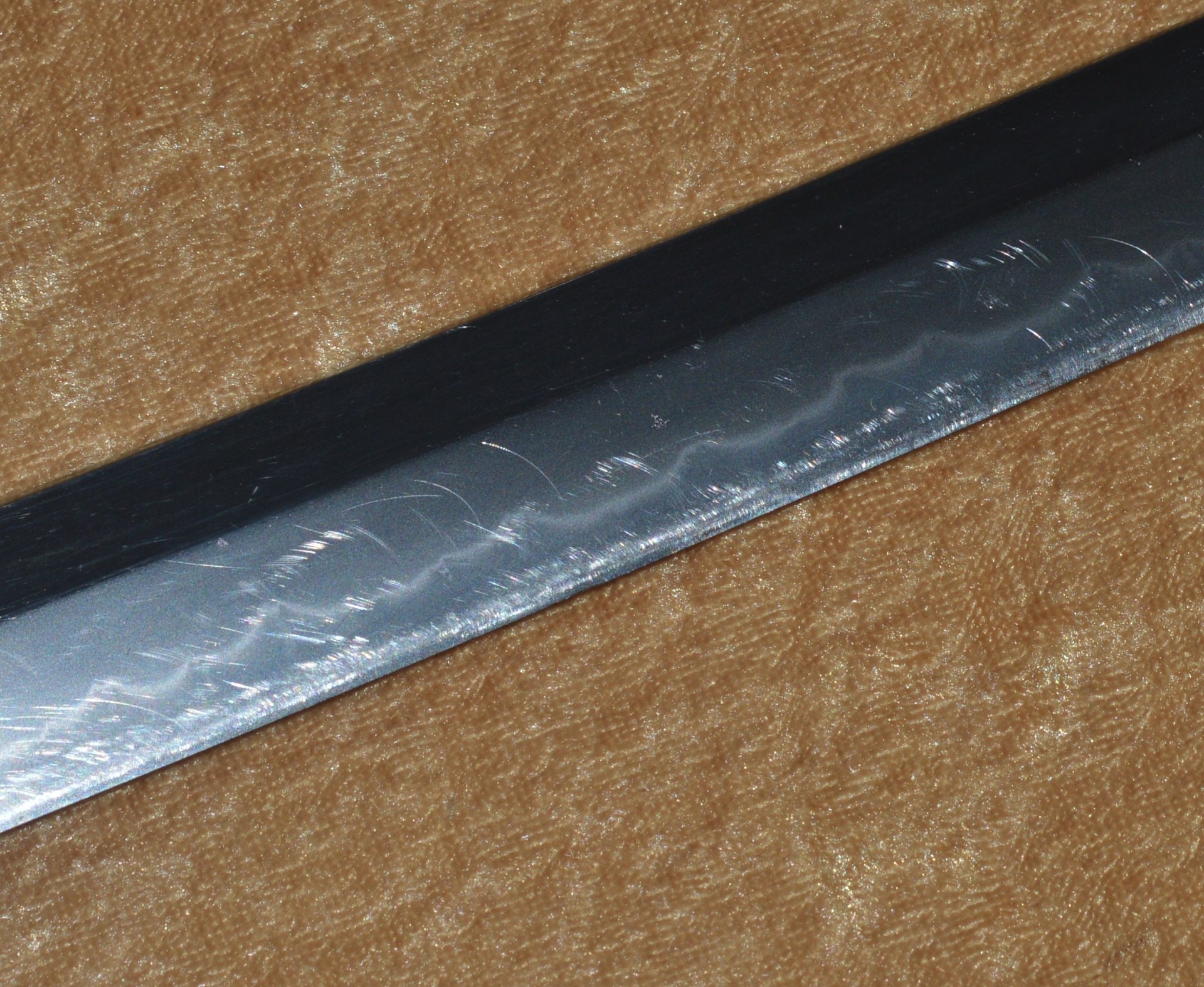
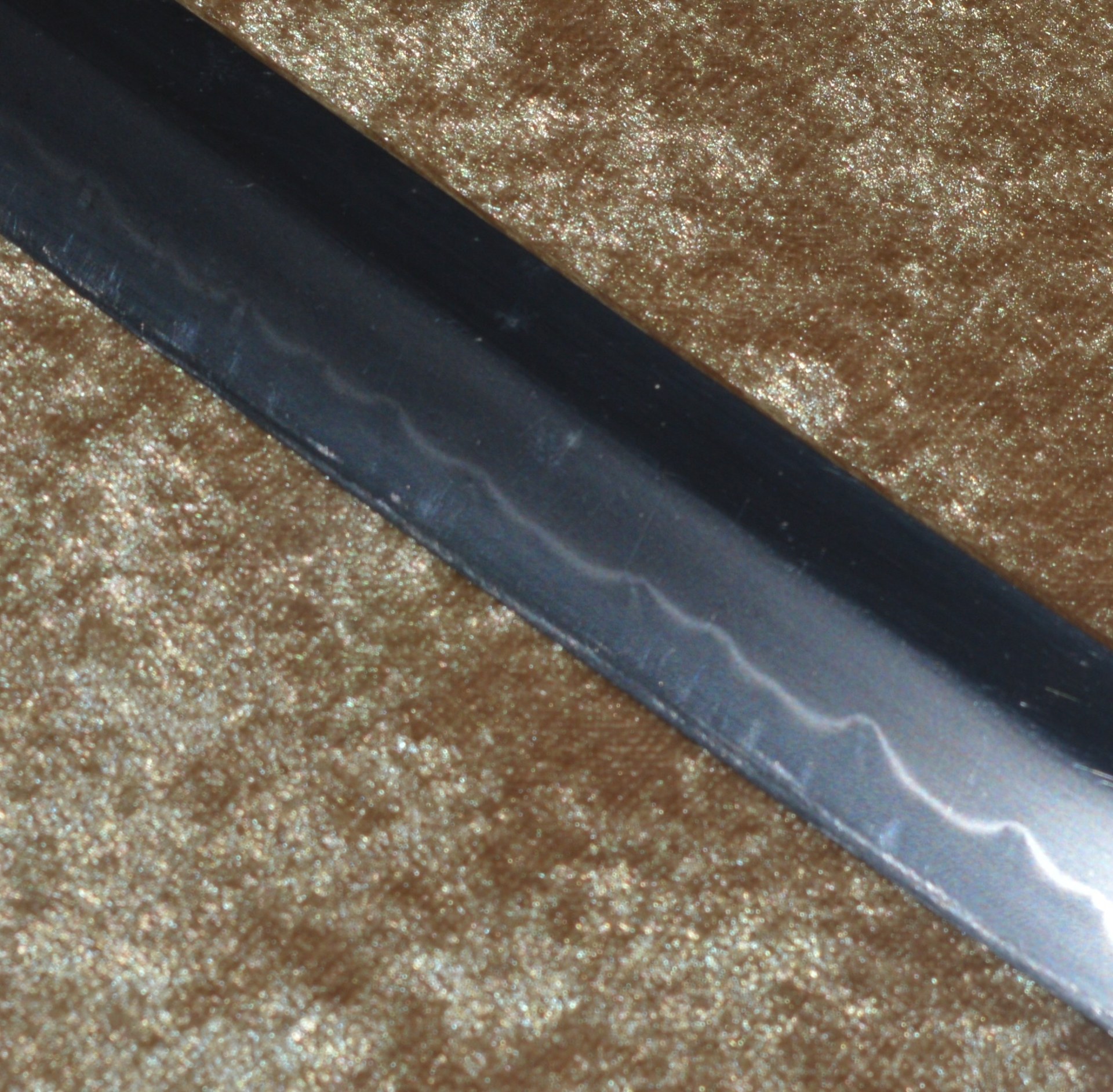
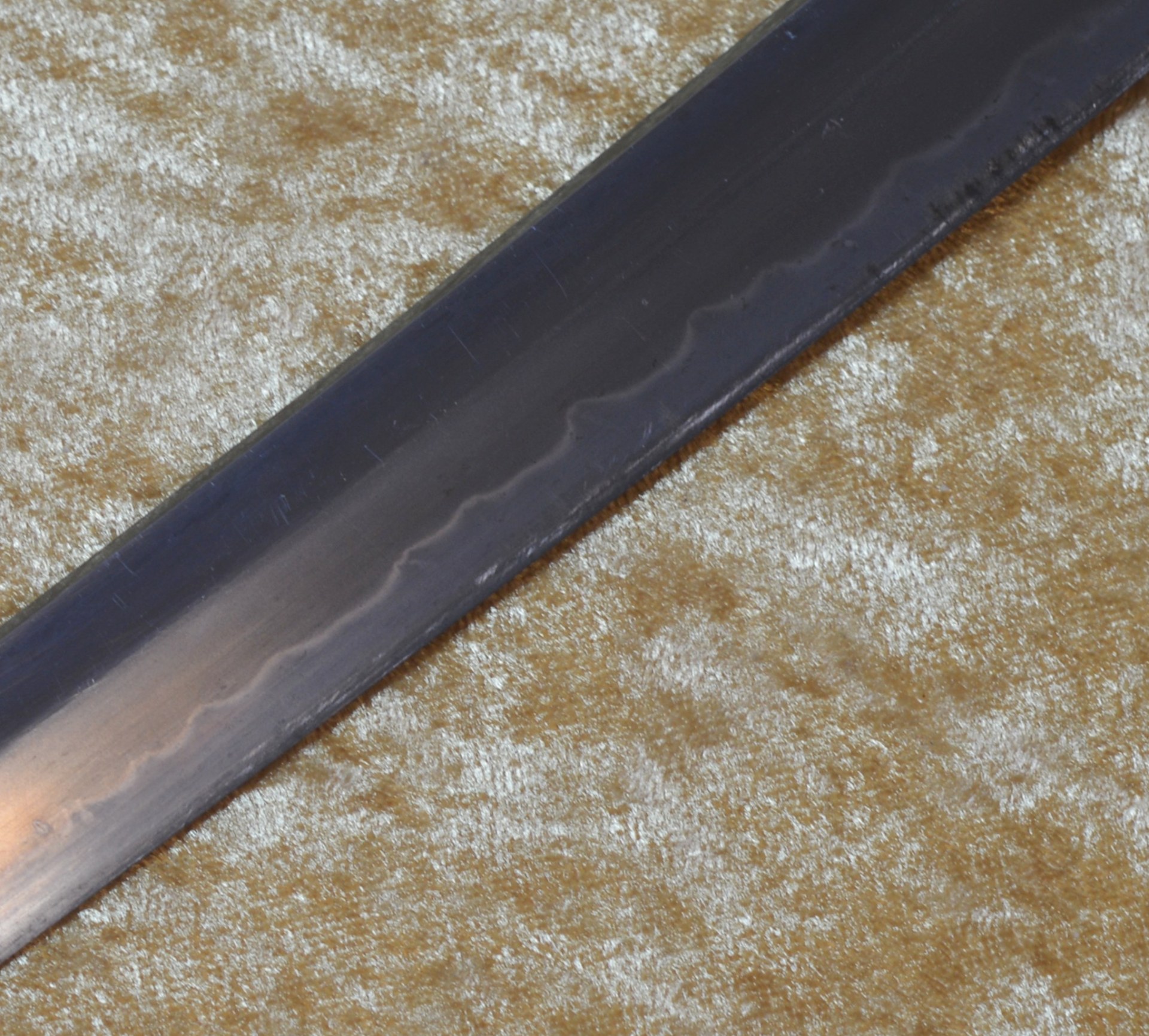
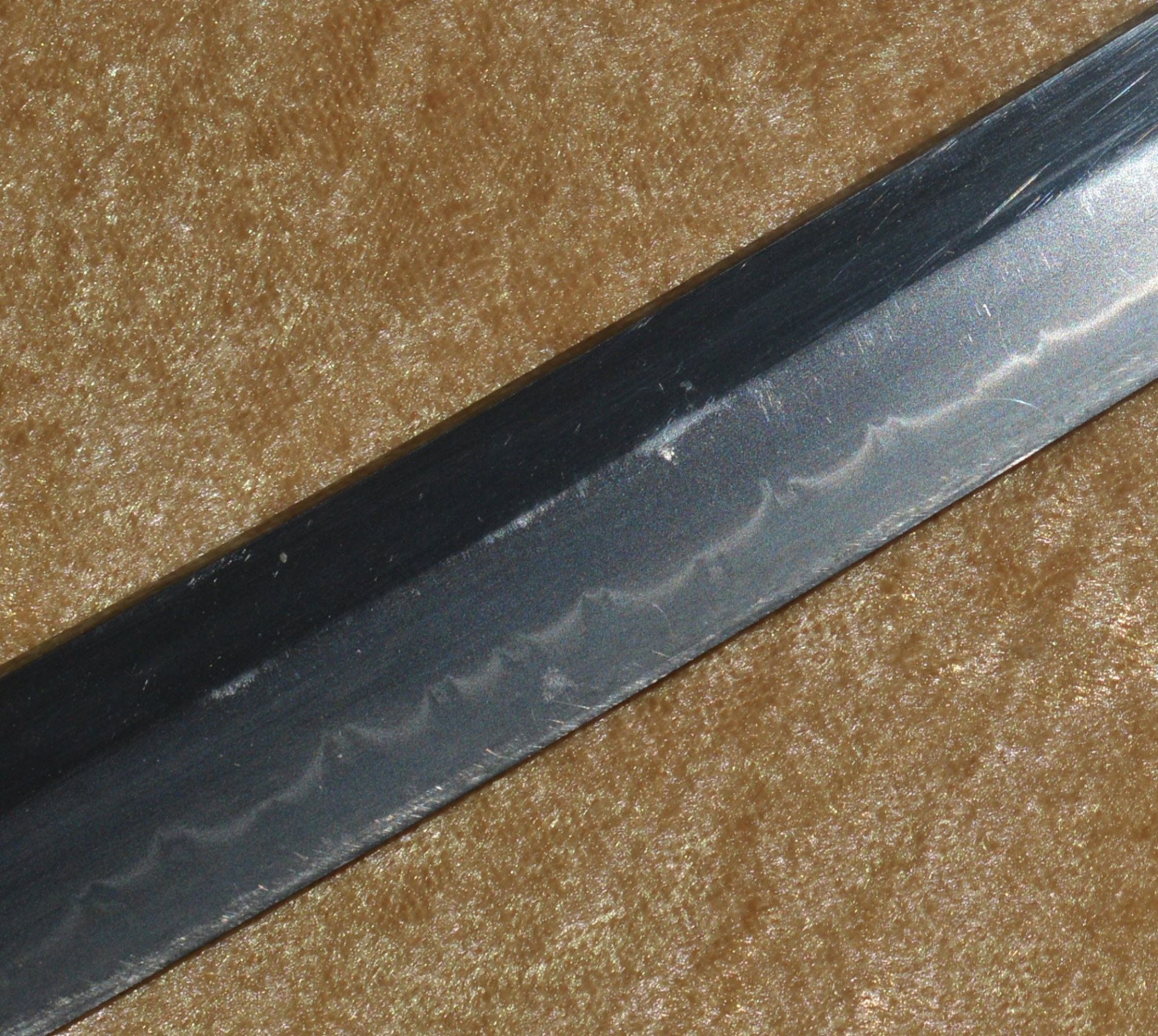
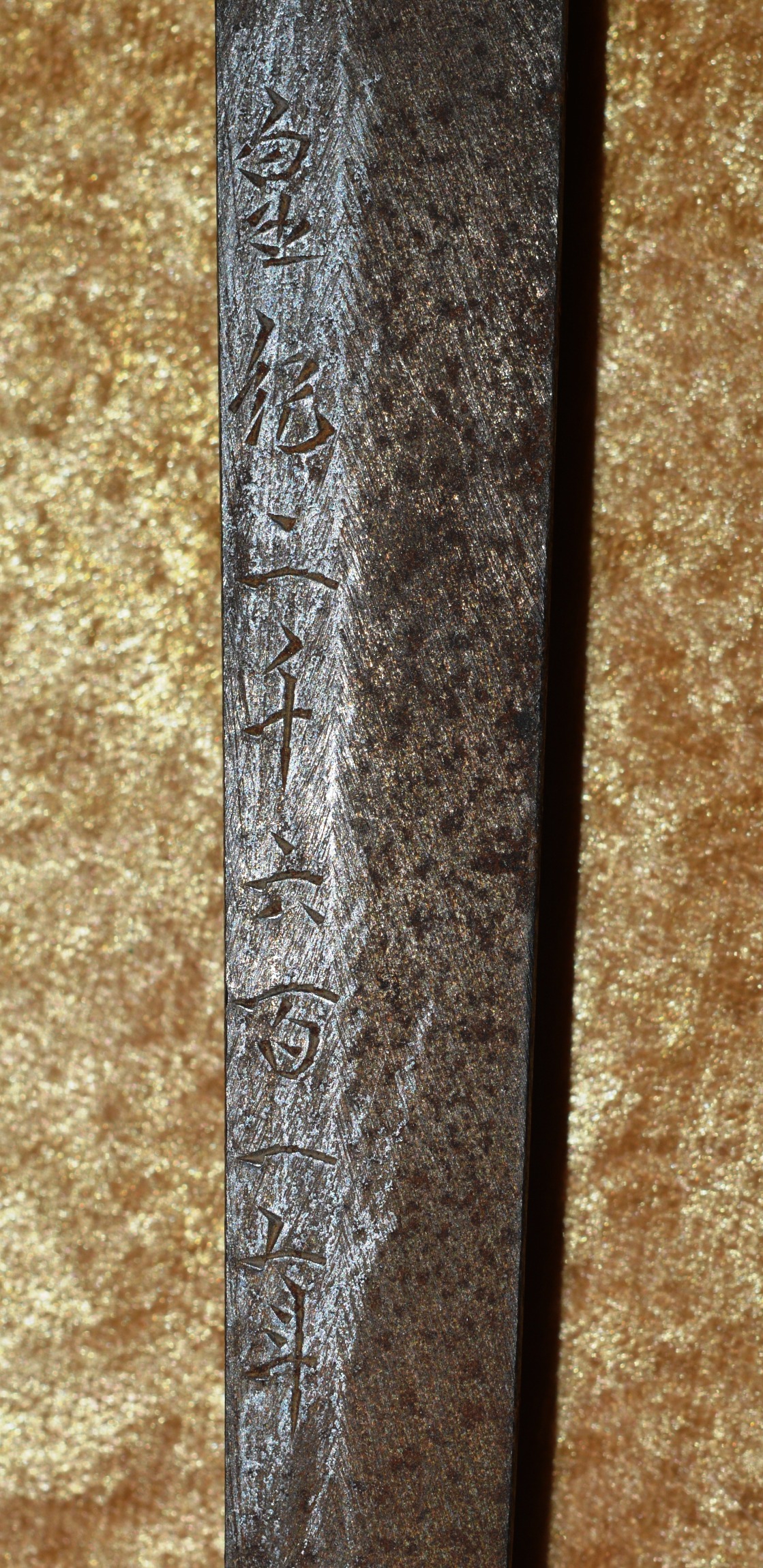
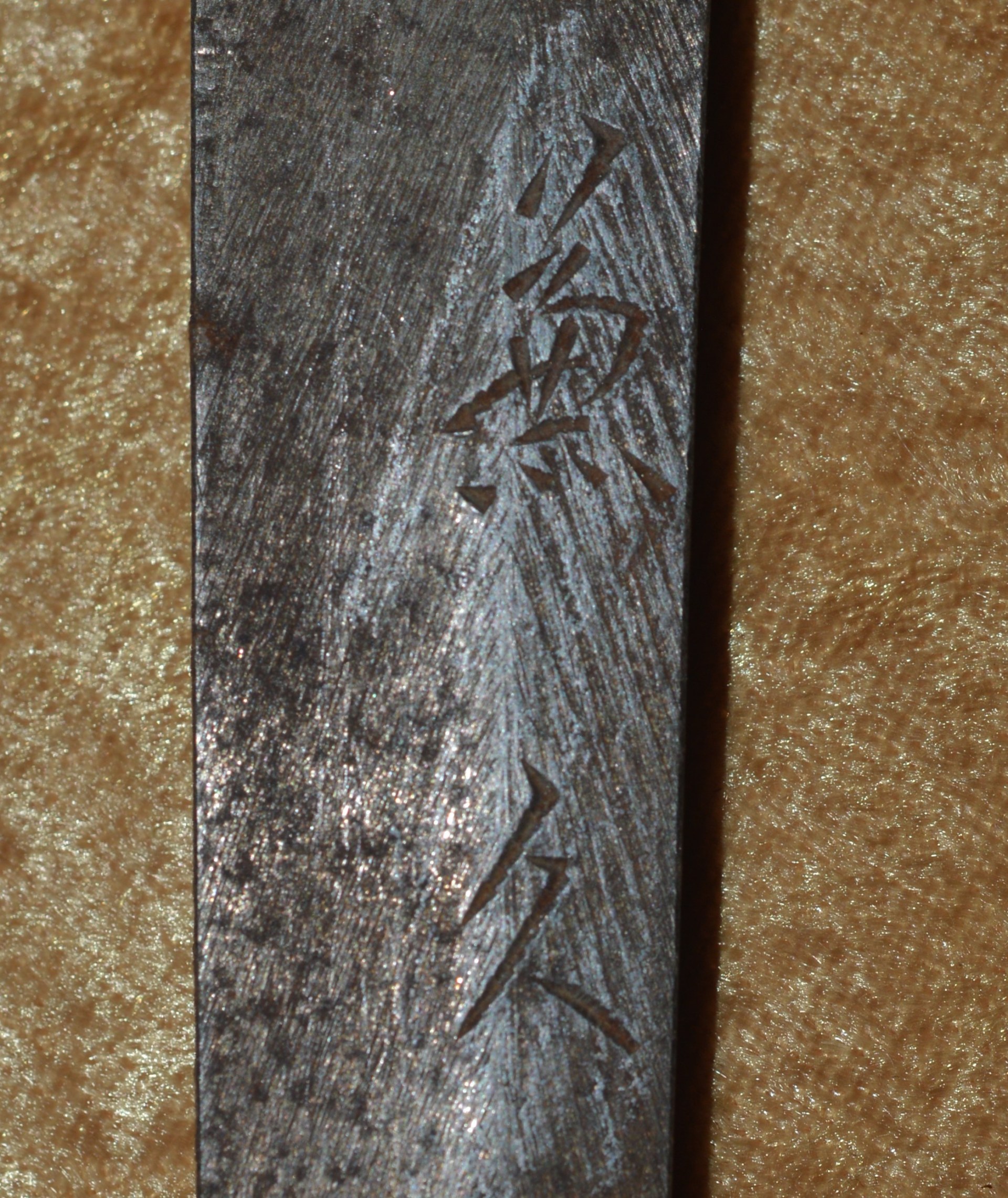
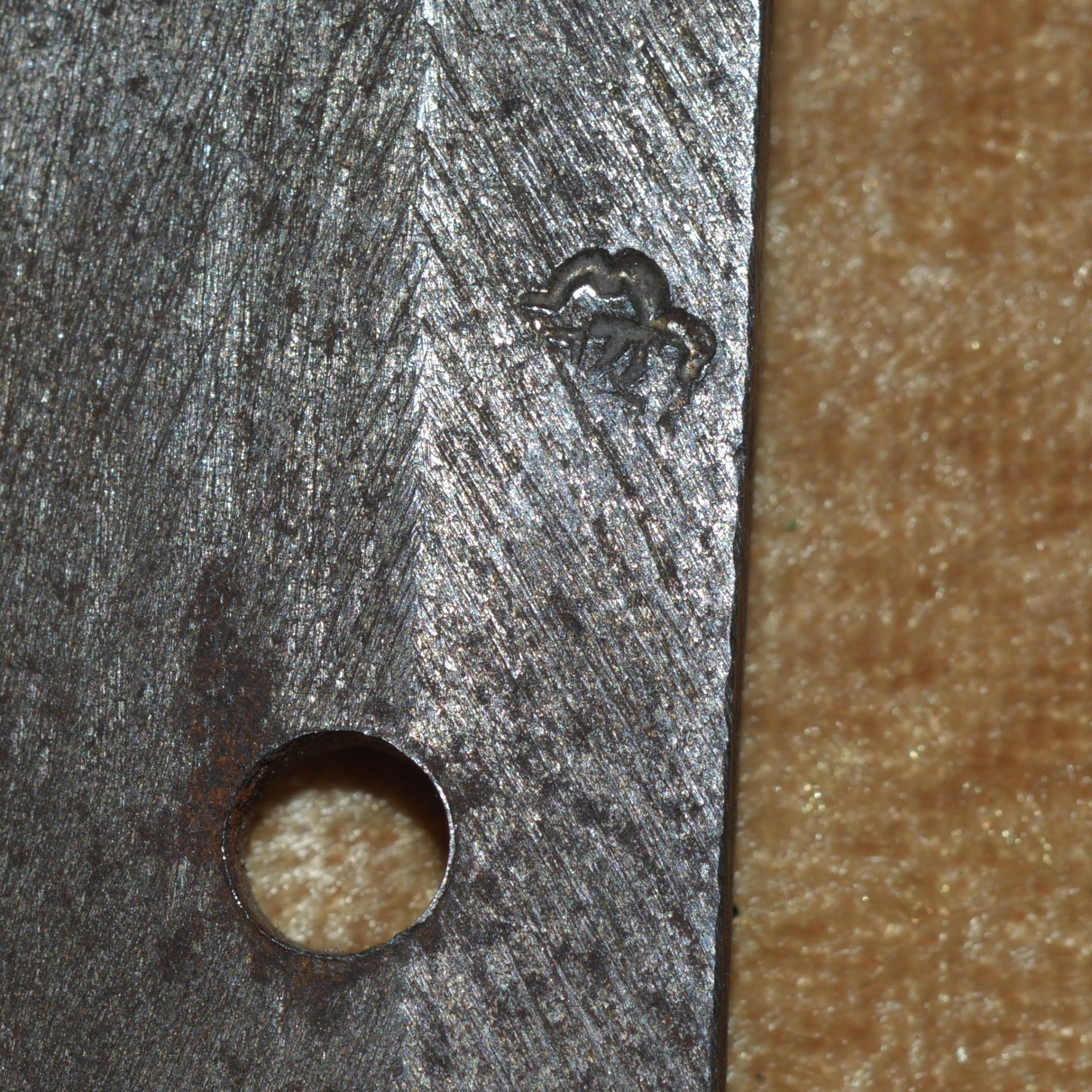
During WWII, there were a number of different types of swords used by the Japanese Army and Navy, but most followed the basic style used throughout the empire for centuries. The kyu-gunto swords used Western style hilts that were common during the Russo-Japanese War of the early 20th Century, but most were purely for ceremonial use. Officers and NCO’s in the field carried primarily katanas (full length swords of traditional Japanese style), but their manufacturing methods differed greatly. Officers of the samurai class often carried ancient traditionally forged blades mounted in modern gunto (military) mounts, while other officers carried contemporary swords of the same style, but with blades either machine made or hand made using non-traditional methods. NCO’s carried machine made swords with tsukas (handles) simulated to look like traditional rayskin and silk-wrapped tsukas, but made of copper, aluminium, or wood. These swords were carried in the field and often used in battle as a backup weapon or in last-ditch bonzai attacks or ritual suicide. The katana offered here is a hand made sword using machine-assisted non-traditional methods. The nakago (tang) is signed by the maker, Kanehisa, with the other side dated 1941 and bearing an arsenal stamp. Blade’s cutting edge is 26 1/8” (66.4 cm), with clearly visible gunome hamon (zigzag temper line). Cast brass tsuba (guard), traditional same’ (rayskin) and ito (silk braid) wrapped tsuka (handle); copper alloy fuchi (grip collar) with push-button blade lock, menuki (ornaments) and kashira (butt cap). Red and black lacquered wood saya (scabbard) with copper alloy drag, band, and throat with single carry ring. Very good condition for a field-carried sword, the blade bright and smooth with scattered scratches; saya complete, but the seam coming apart and considerable lacquer loss, especially at the seams. Overall length 37 5/8” (95.6 cm), not including saya.
 Ship’s Wheel from D-Day Blockship
 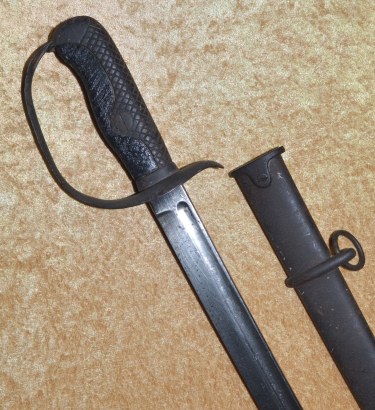 Japanese Type 32 (M1899) Cavalry Saber
 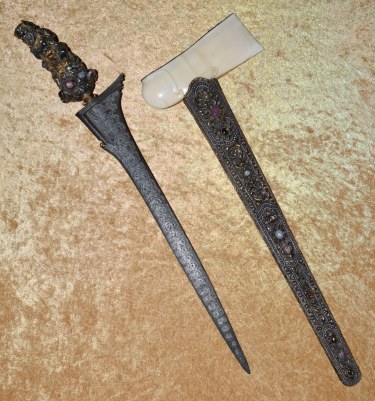 Exceptional Balinese Silver, Gilt and Jewel-encrusted Kris Dagger
 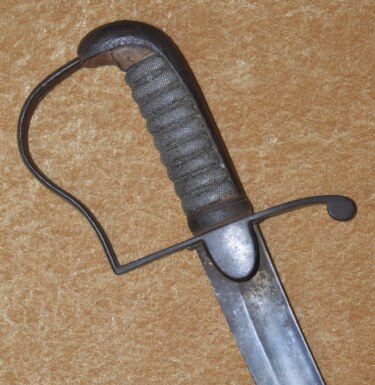 British P1796 Light Cavalry Officer’s Saber