
Description
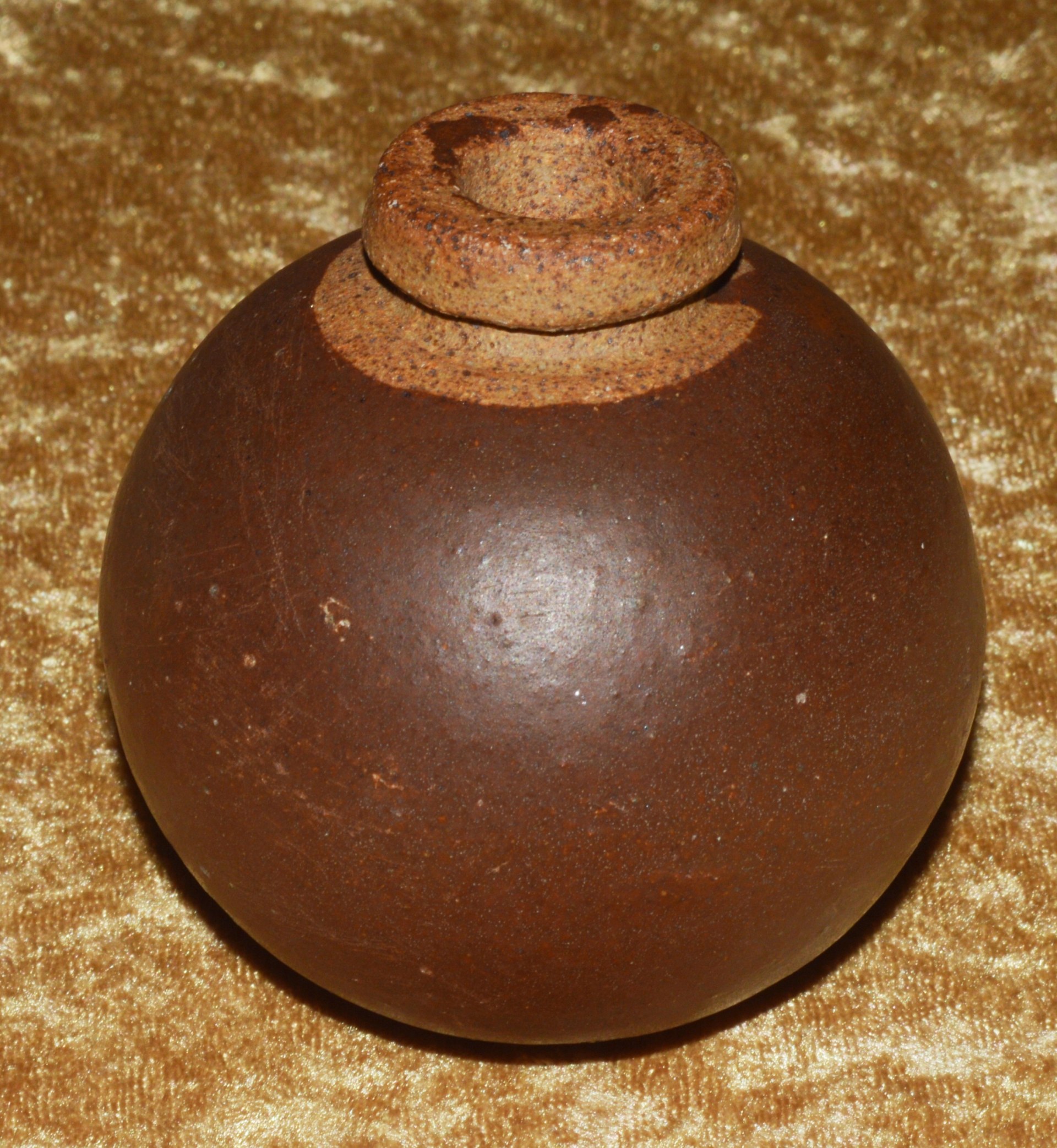
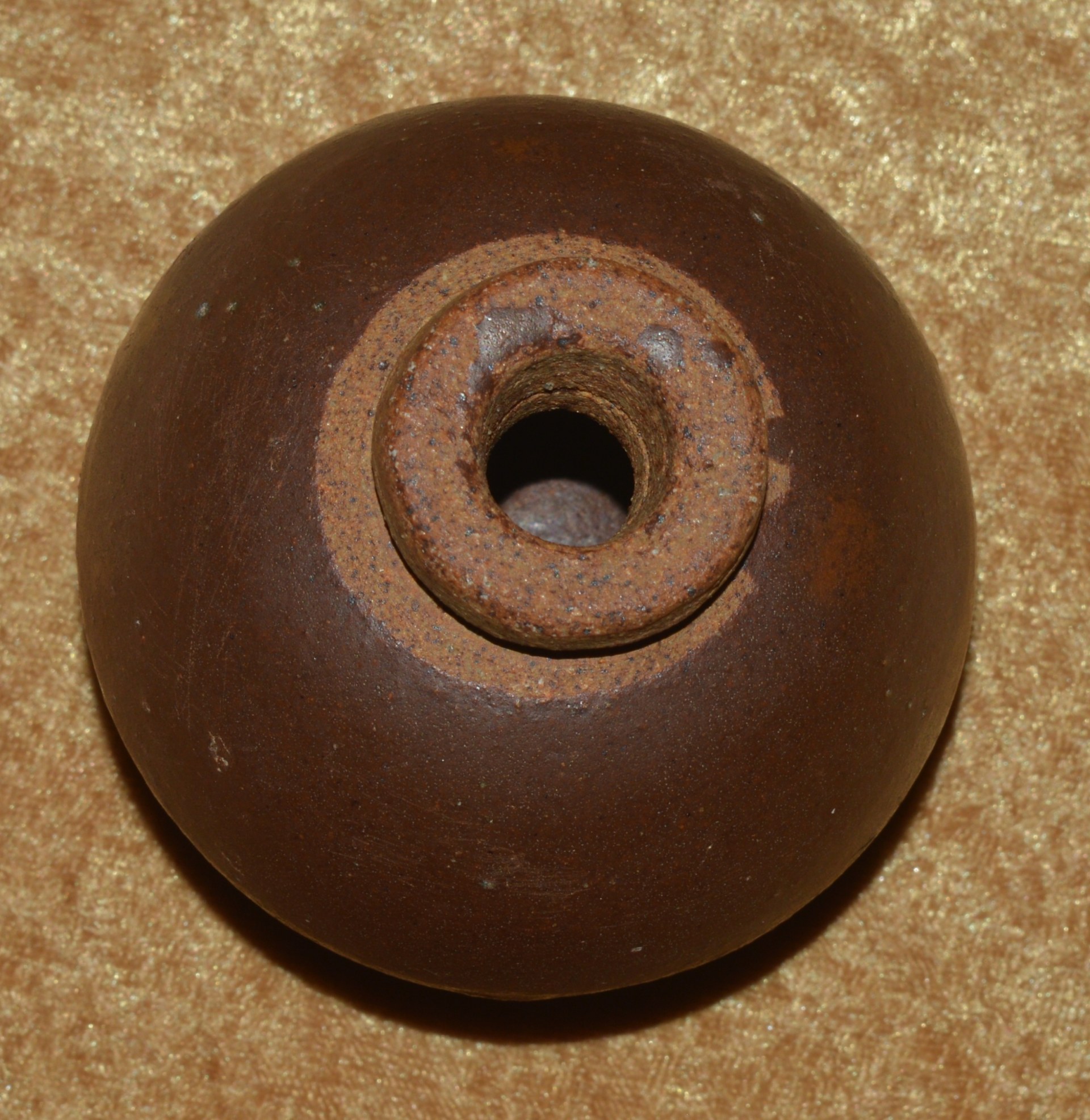
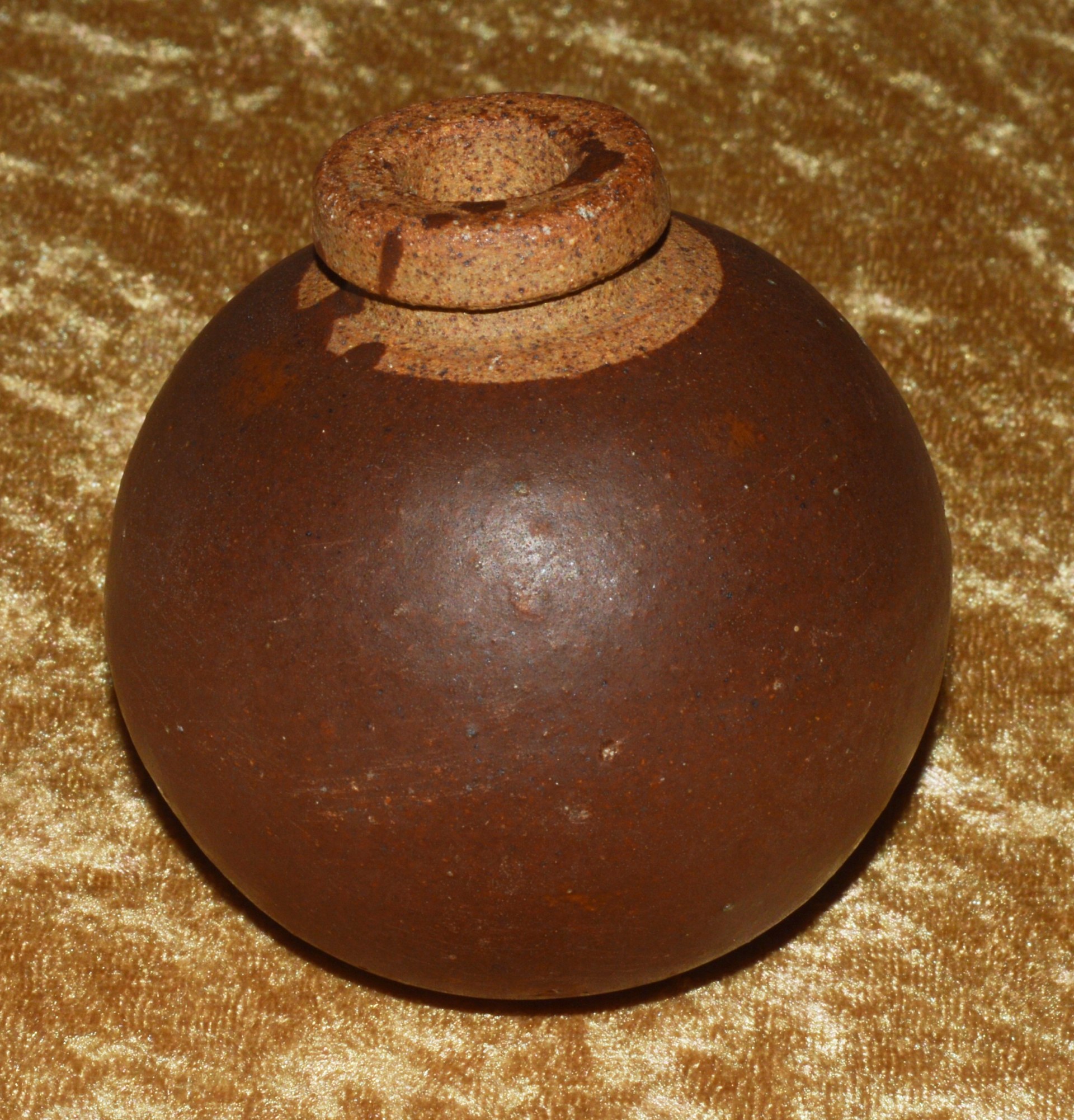
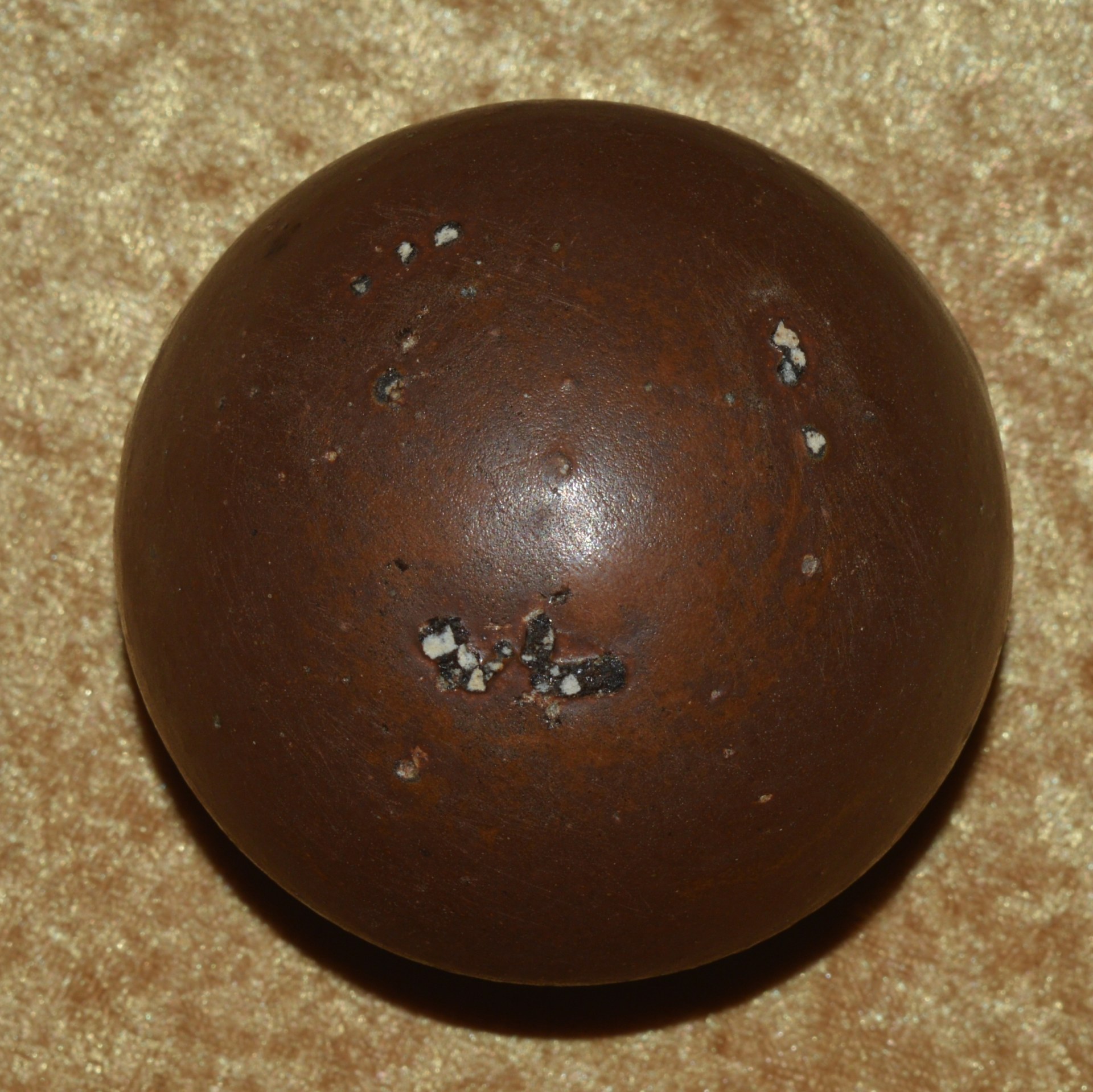
By late 1944, the Japanese industrial complex was so depleted by Allied strategic bombing that many “last ditch” weapons were introduced, which could be produced quickly, cheaply, and with minimal raw materials or infrastructure. The Type 4 Ceramic Grenade was one such weapon developed by the Japanese Navy Technical Bureau, and a logical choice because of the many kilns employed in Japanese pottery. Based on a centuries-old design, they incorporated a hollow, spherical terra cotta or porcelain fragmentation body with open round neck. They used a blasting cap crimped on to a 5-second fuze. On the other end of the fuze was a match-like composition, which could be ignited by rubbing with the loosely attached abrasive wood block. This assembly was then covered with a rubber cap to prevent accidental ignition or water damage. They were produced in large quantities and distributed to civil defense organizations in anticipation of an Allied invasion of the Japanese home islands, and also to front line combat troops. They were known to have been used by Japanese troops on Iwo Jima and Okinawa. Due to the many different kilns employed in their manufacture, they varied greatly in size, shape, and color. This example is approximately 3 1/8” (79 mm) diameter and painted brown with an tan neck. With a 1/2” (13 mm) opening for the fuze. Weight 11.25 ounces (319 g). No fuze or rubber cap; a few chips to the paint on the bottom. Price includes US Continental shipping.
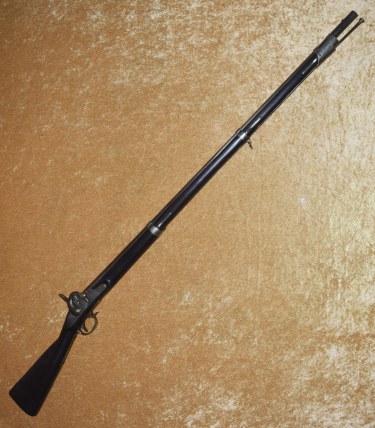 Remington 1857 Maynard-Primed Rifled Musket
 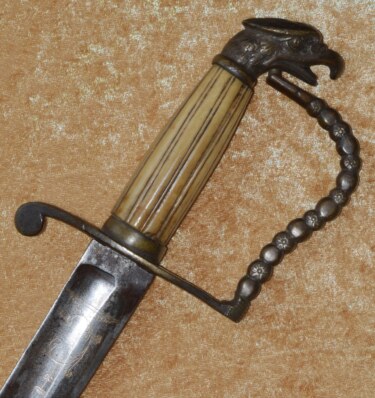 American Eagle Head Mounted Artillery Officer’s Saber, ca. 1810
 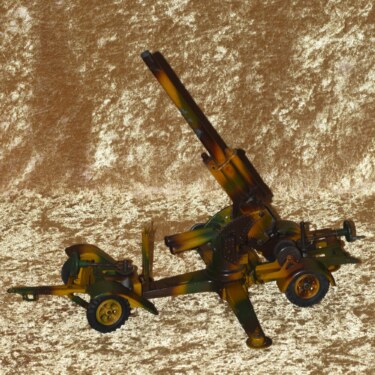 Pre-WWII Lineol German Model 88mm Anti Aircraft Gun & Carriage
 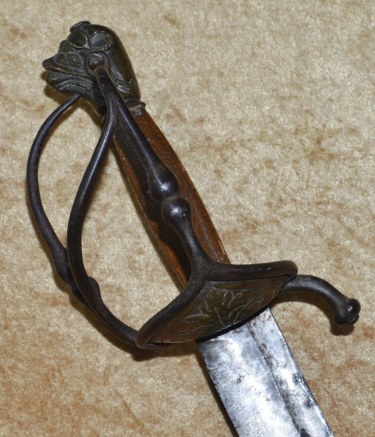 Swiss Dog-Head Cavalry Saber, 2nd Half 17th C