
Description
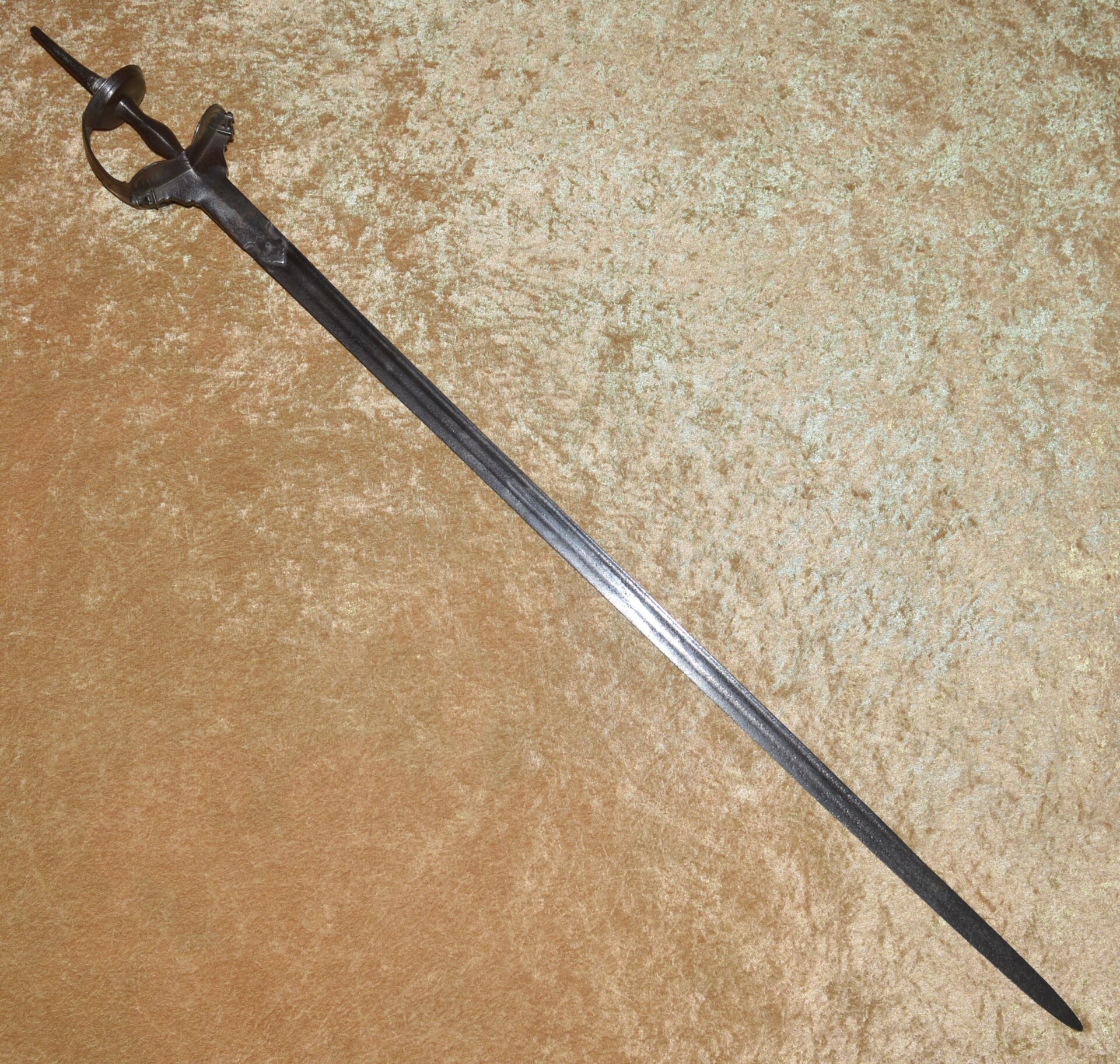
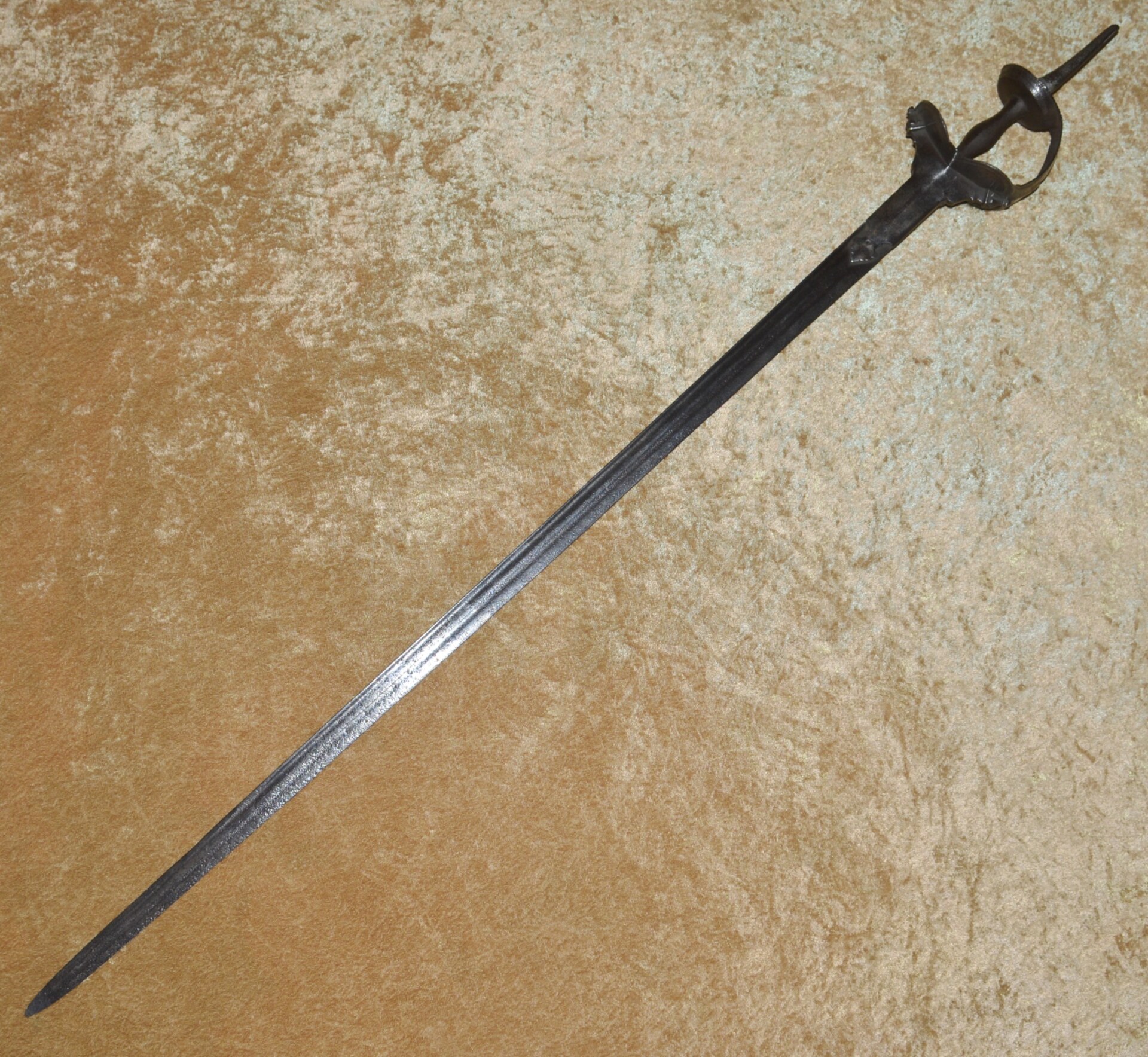
The firangi is a distinctive Indian cut-and-thrust sword dating back to the 16th Century,
usually mounted with a European blade, and featuring a native hilt design. It was used by
cavalry, particularly the Marathas, Rajputs, and Mughals. Its name derives from the Persian
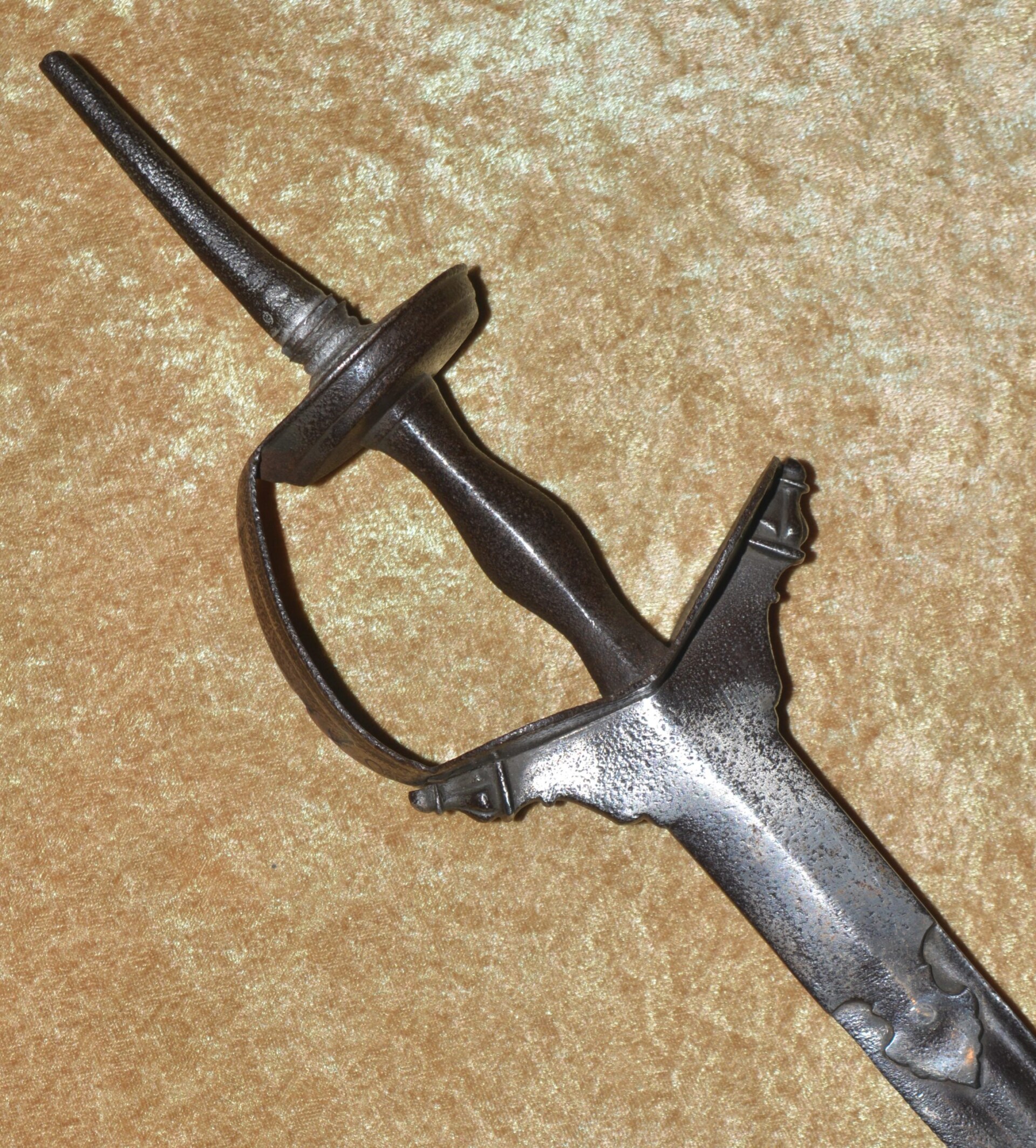
word farangi, meaning “foreigner”, referring to its imported European blade. They featured
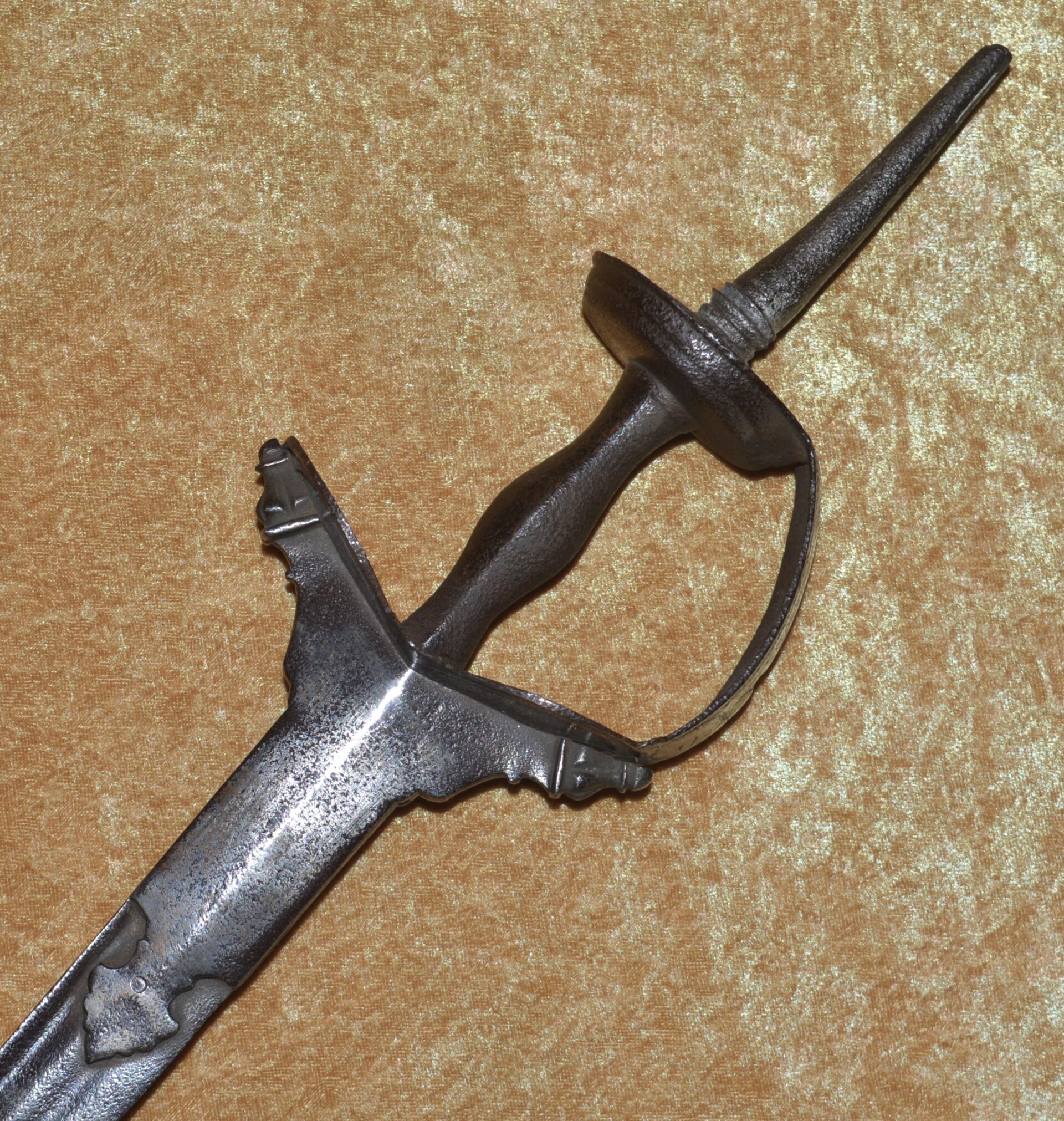
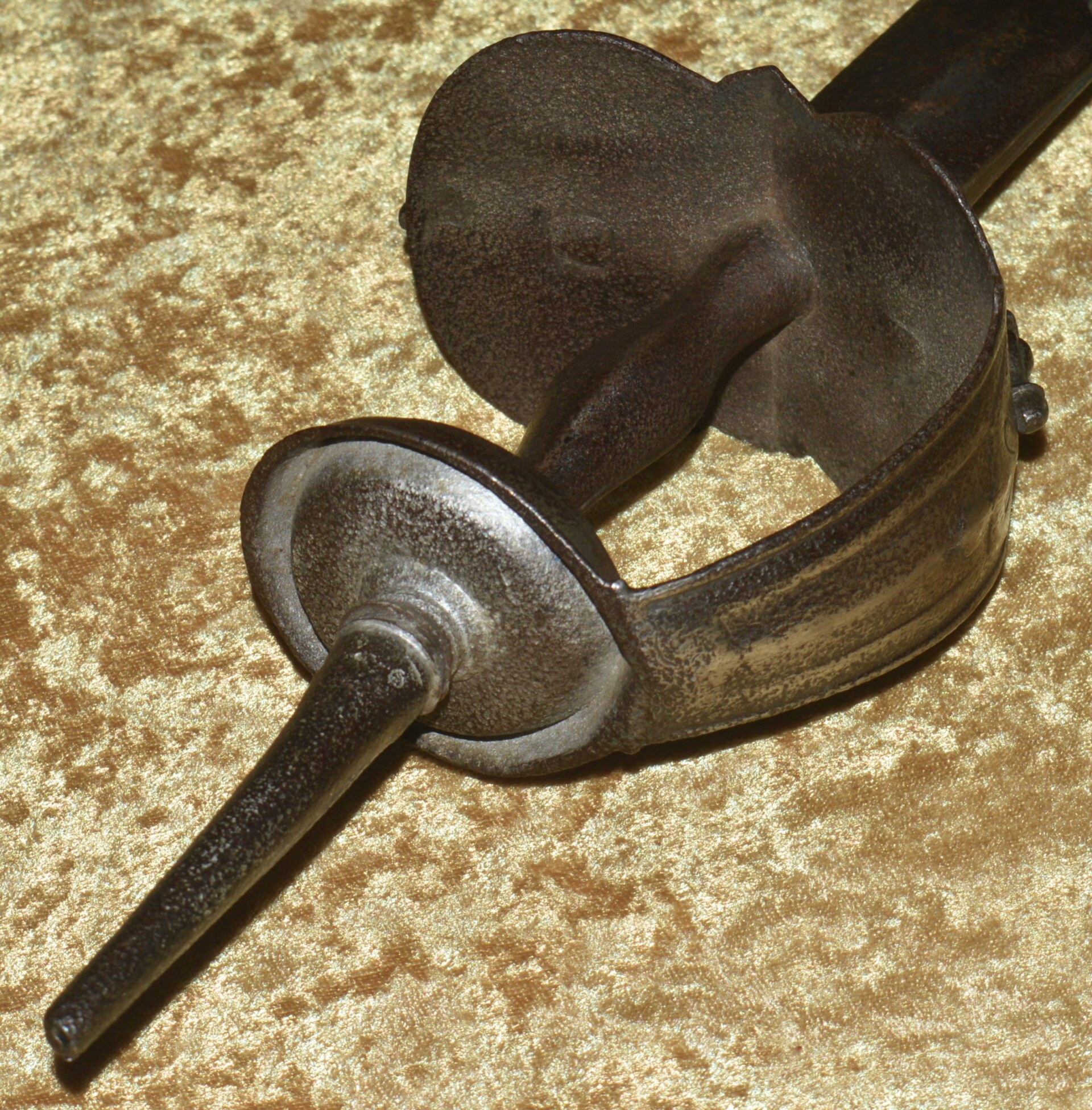
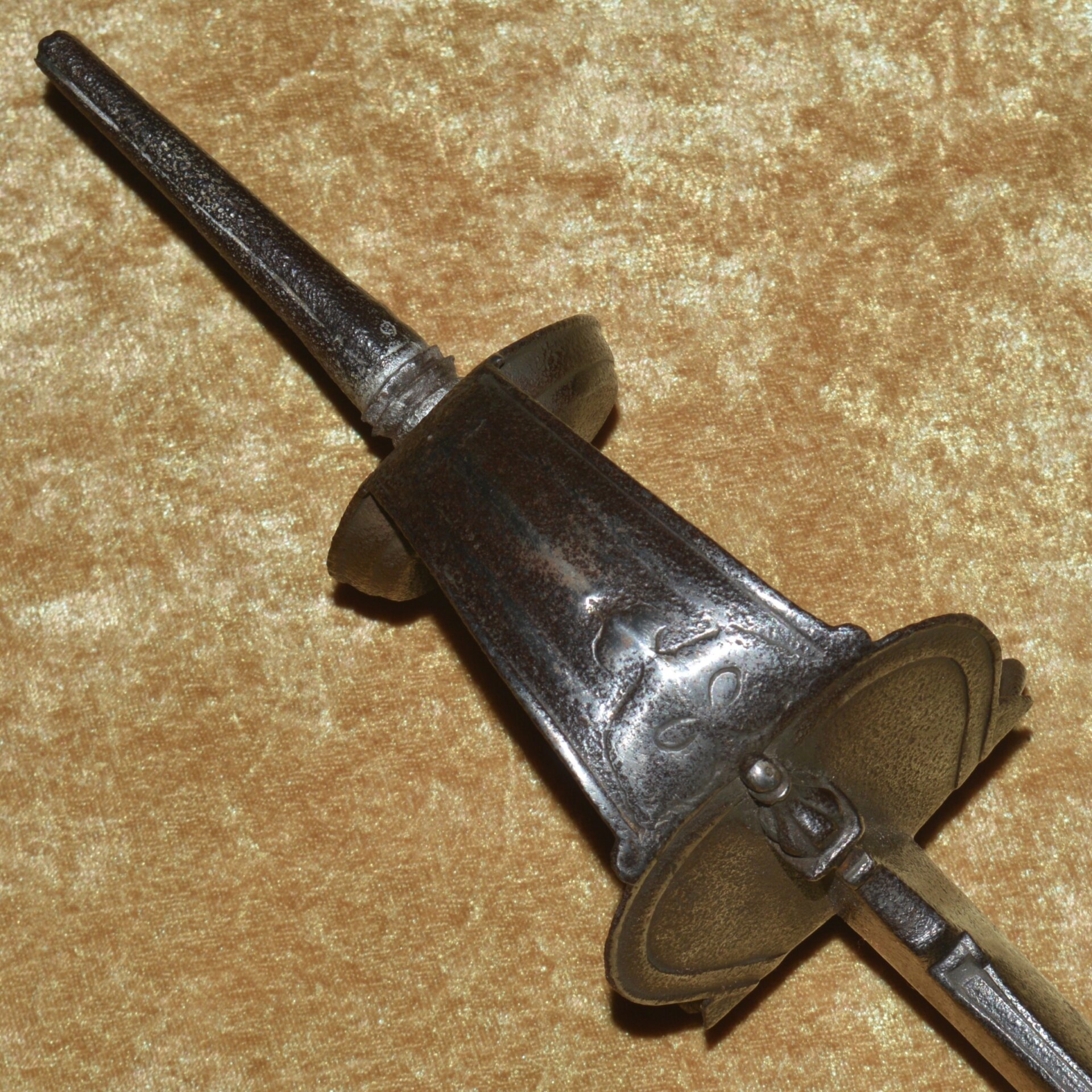
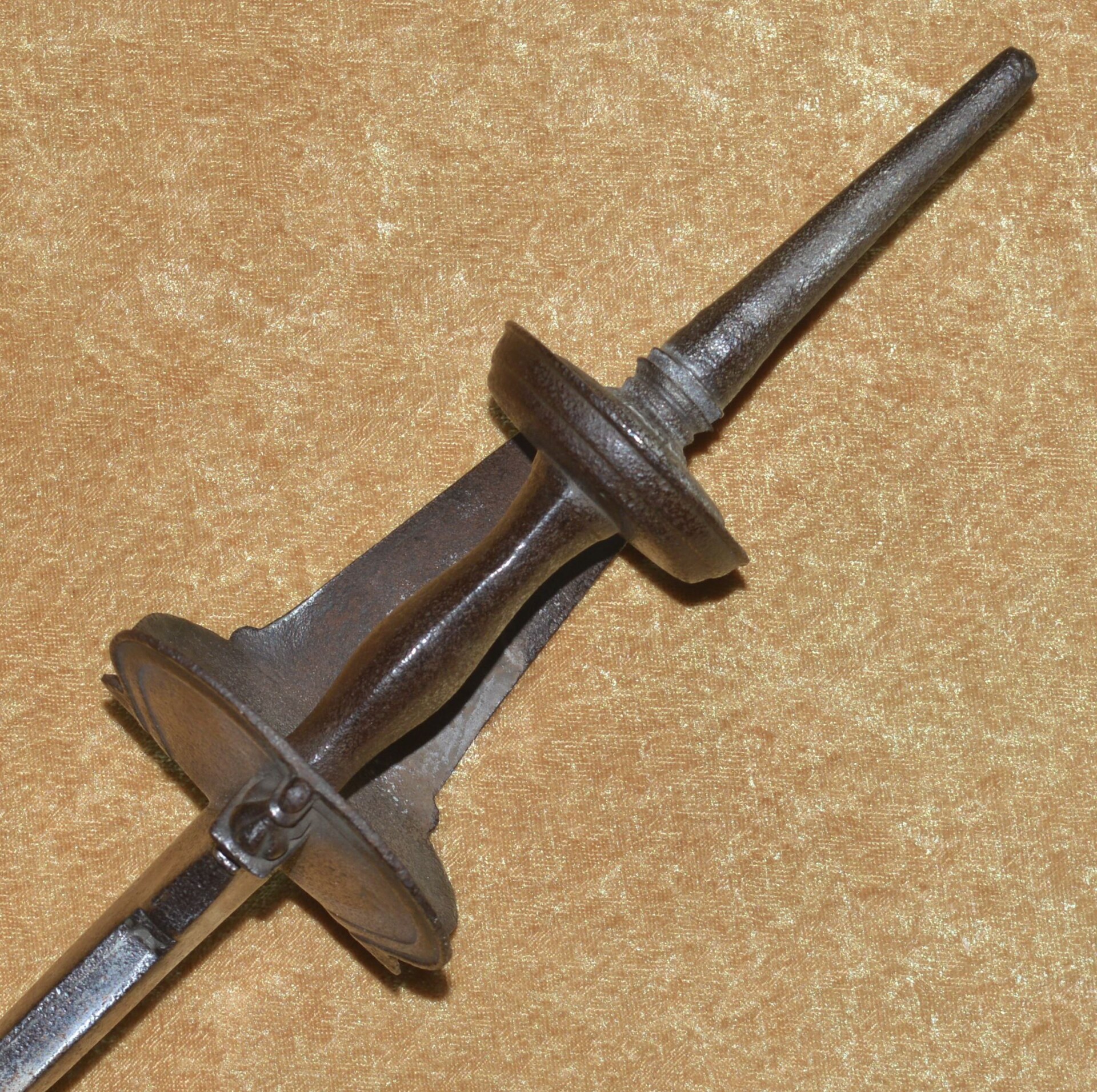
a distinctive hilt with circular pommel and attached spike at the end. This spike could be
grasped for two-handed use, or used as an additional weapon in close quarters fighting.
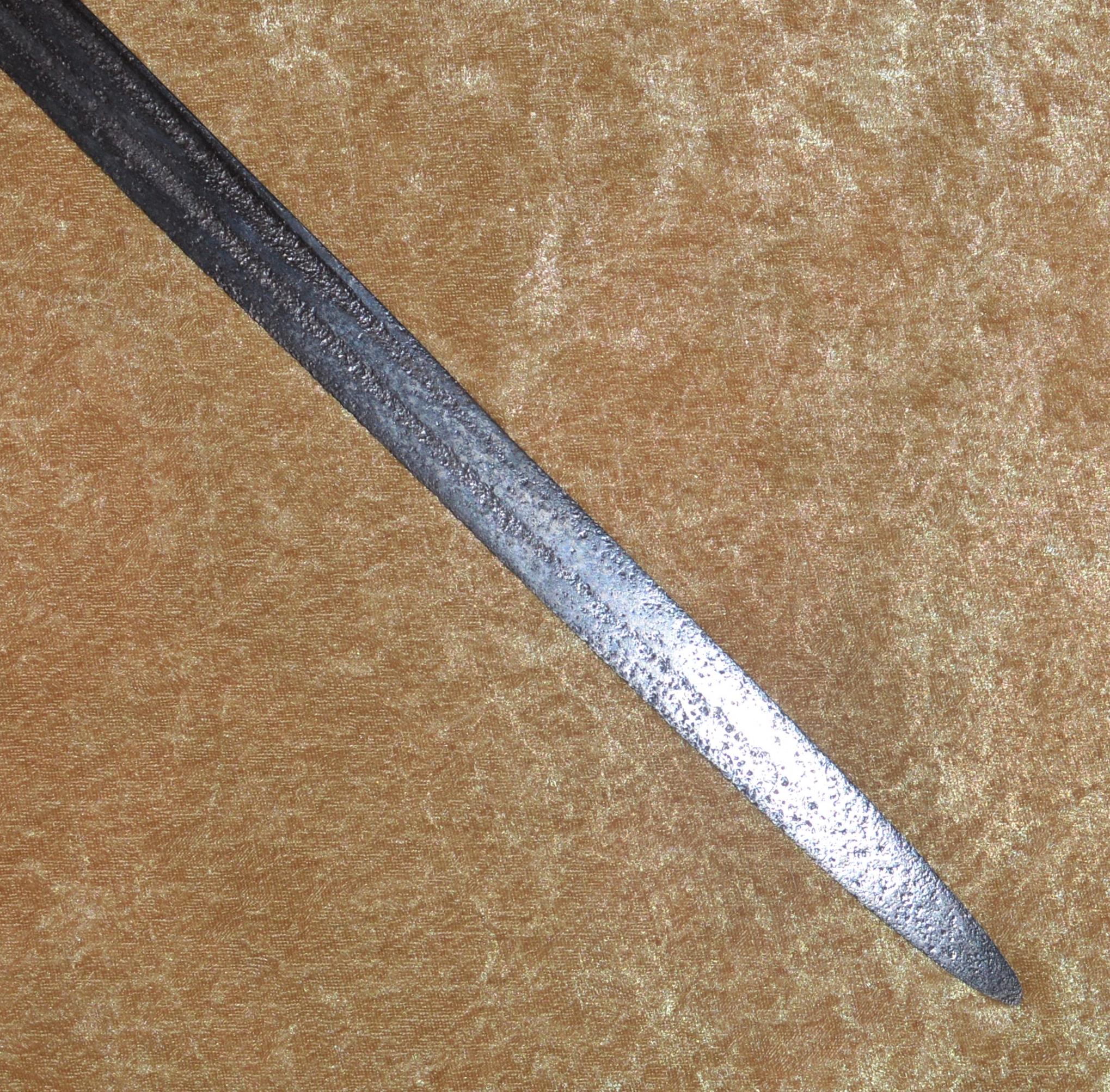
This example features straight, single-edged 39 3/4″ (101 cm) blade with two full-length
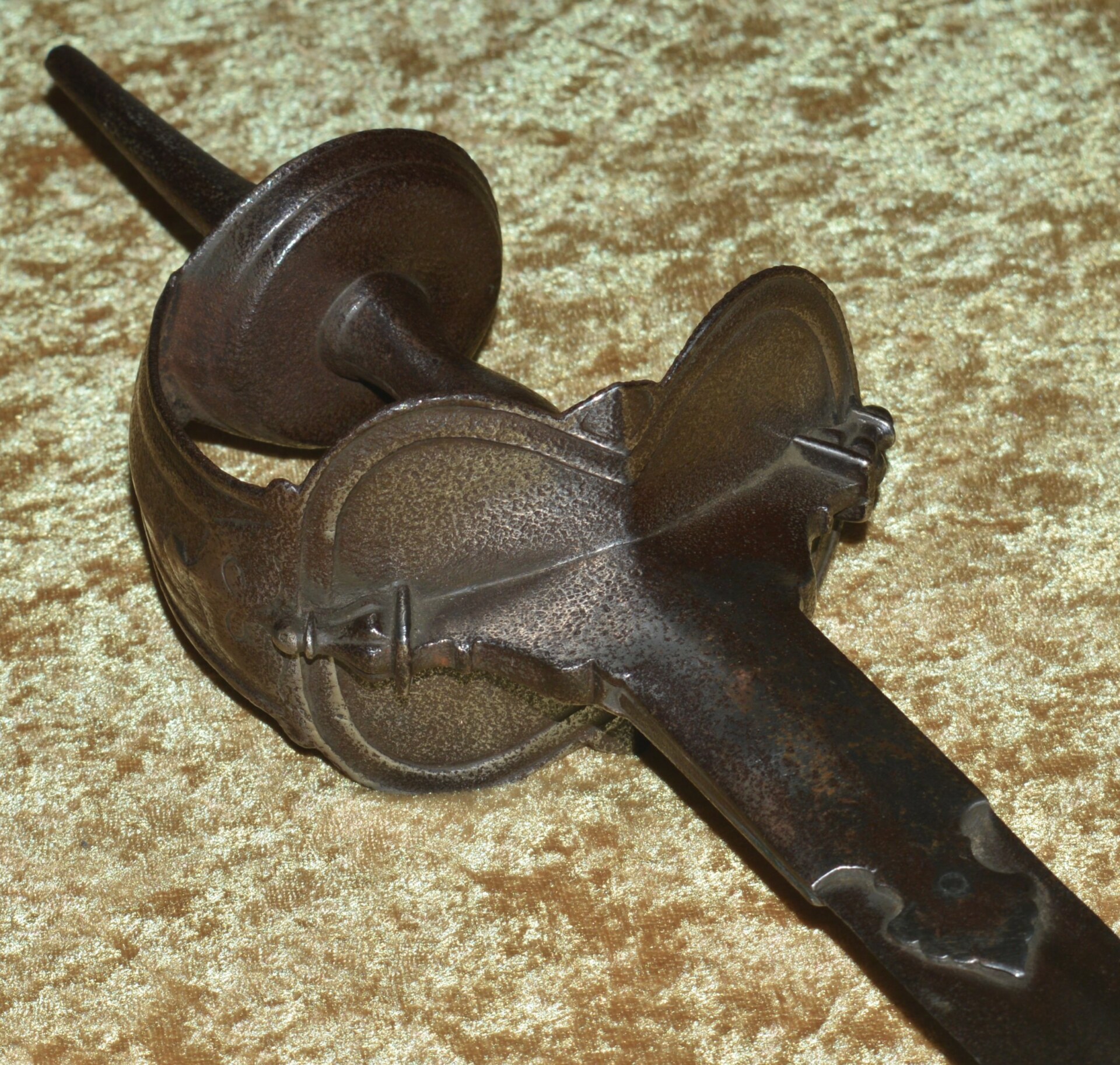
fullers, the last 9″ double-edged. No visible maker’s mark. Iron hilt of traditional style,
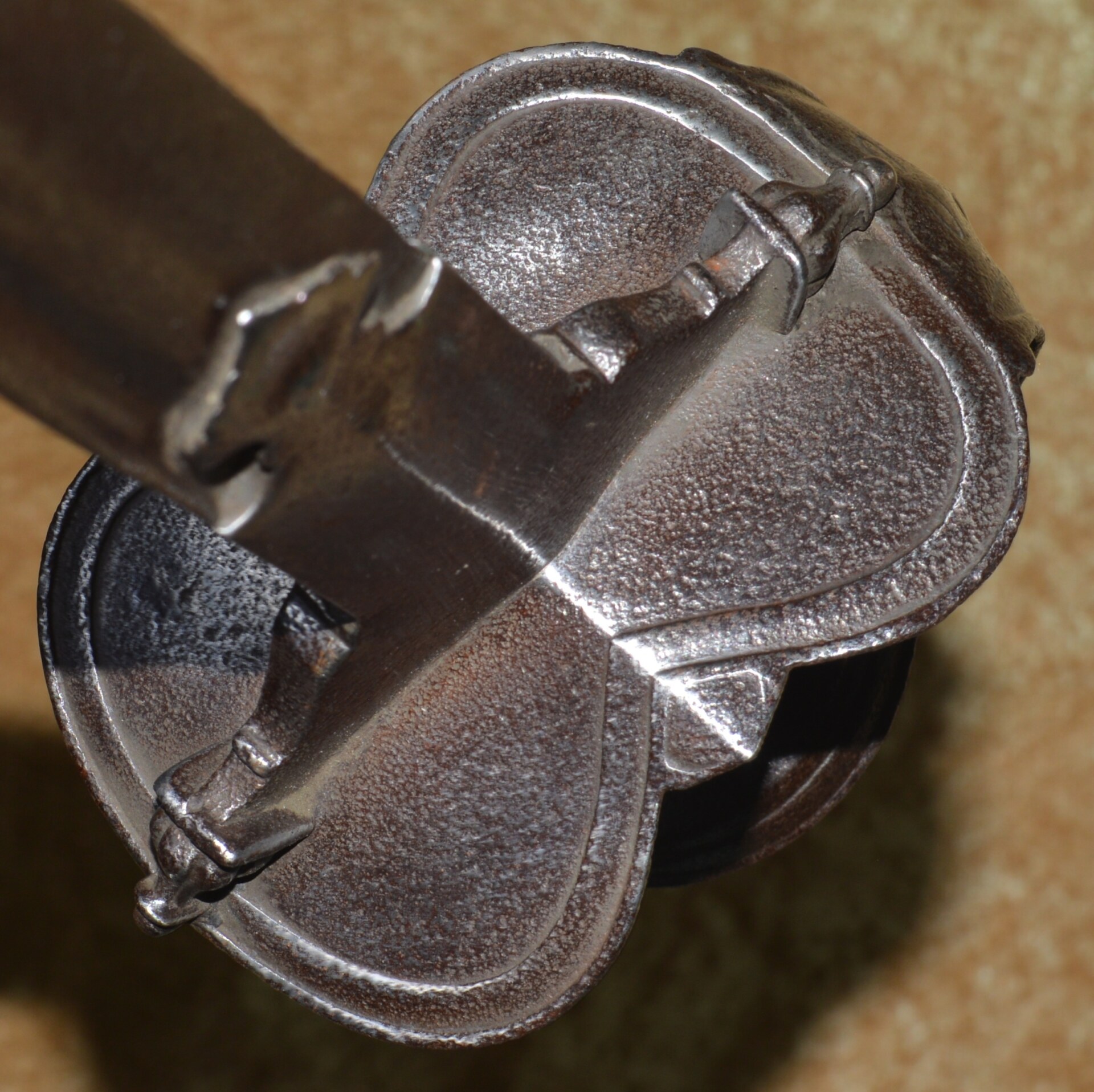
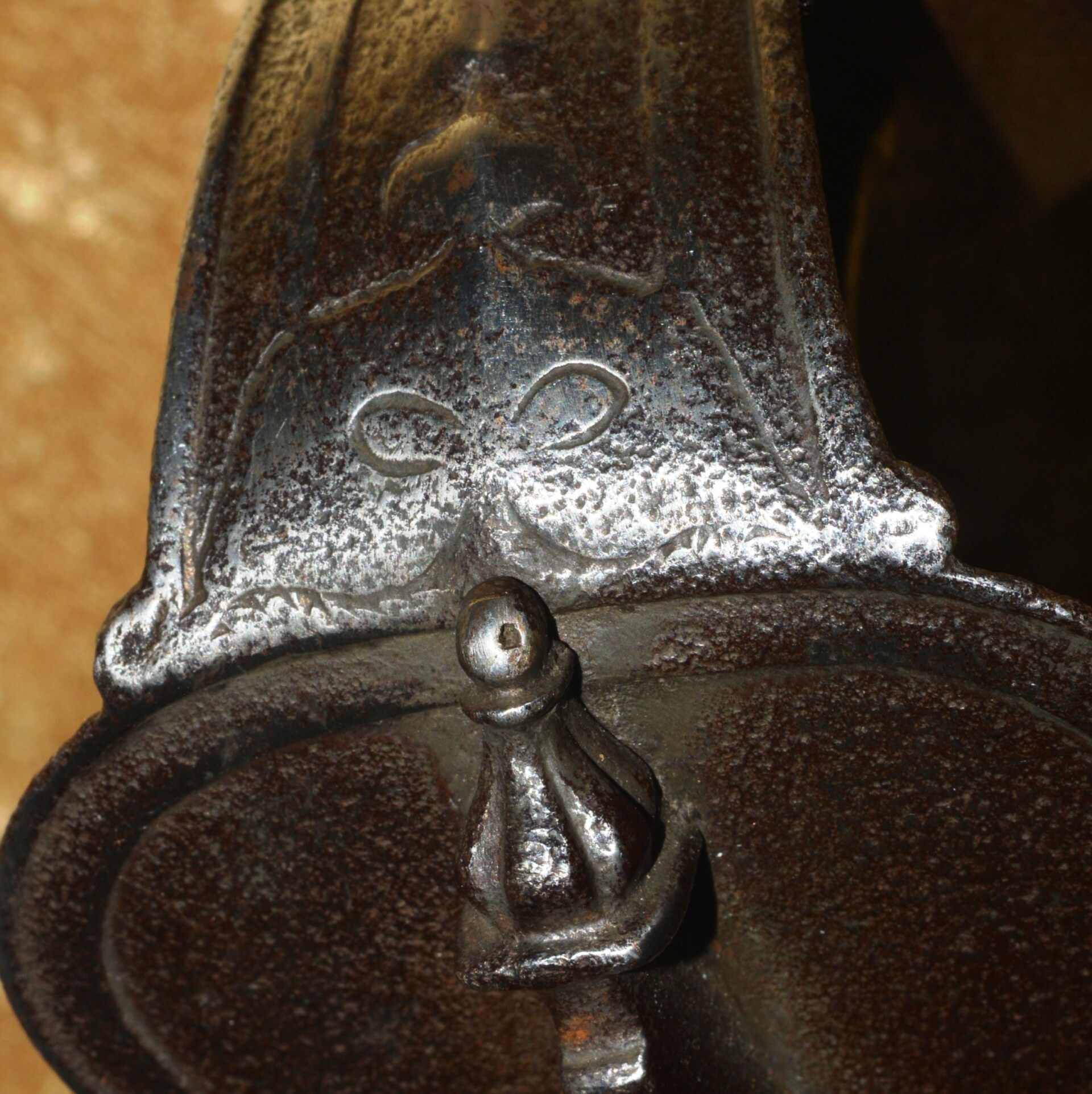
consisting of large figure eight-shaped guard with integral knuckle guard attached to the
broad, round, cupped pommel with stout 3 7/8″ (98 mm) slightly curved spike; integral iron
grip. Below the guard is the riveted blade stabilizing projections typical to this style sword.
Moderately pitted overall, with gunmetal gray patina. Provenance: The prestigious Russell
Char Collection, Las Vegas. Overall length 47 3/4″ (121.3 cm).
 German Knightly Dagger, ca. 1540
 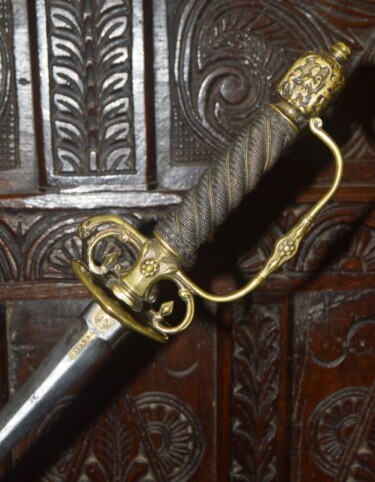 Fine German Transitional Rapier/Smallsword, Late 17th/early 18th C
 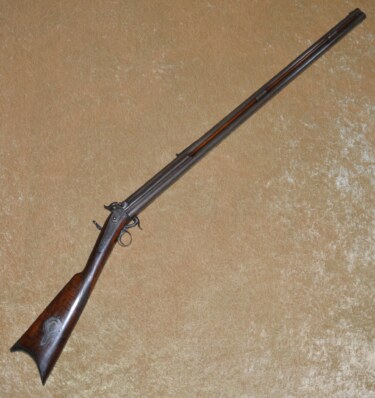 Fine and Unique American Over and Under Percussion Sporting Gun, ca. 1860
 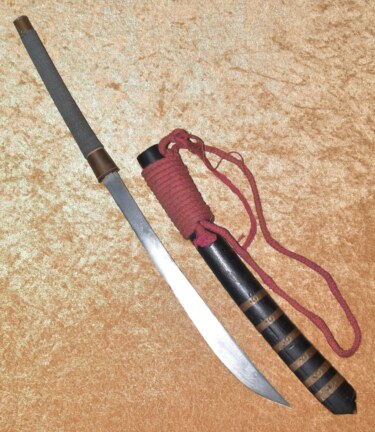 Burmese Dha Short Sword, 20th C