

Description
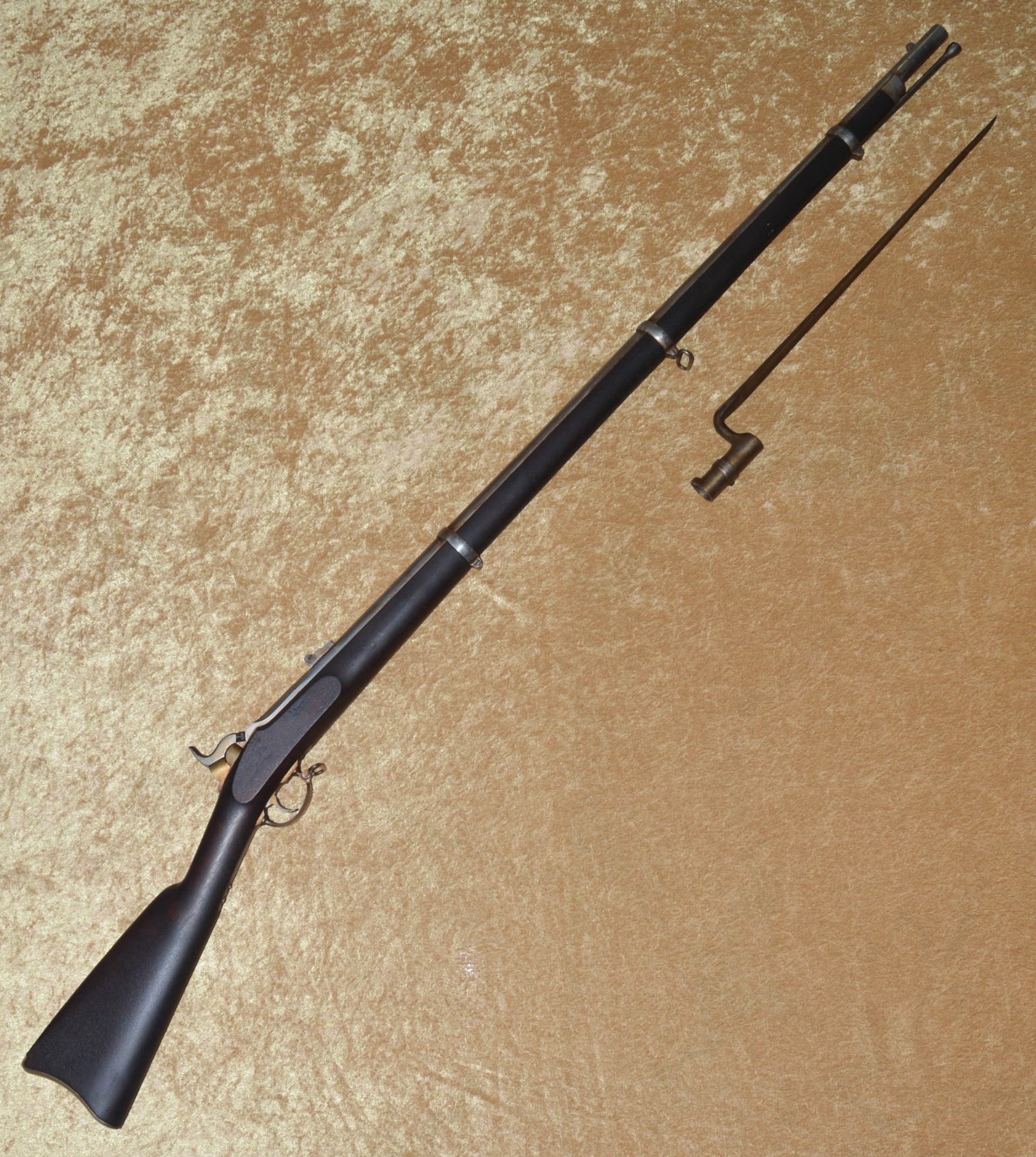
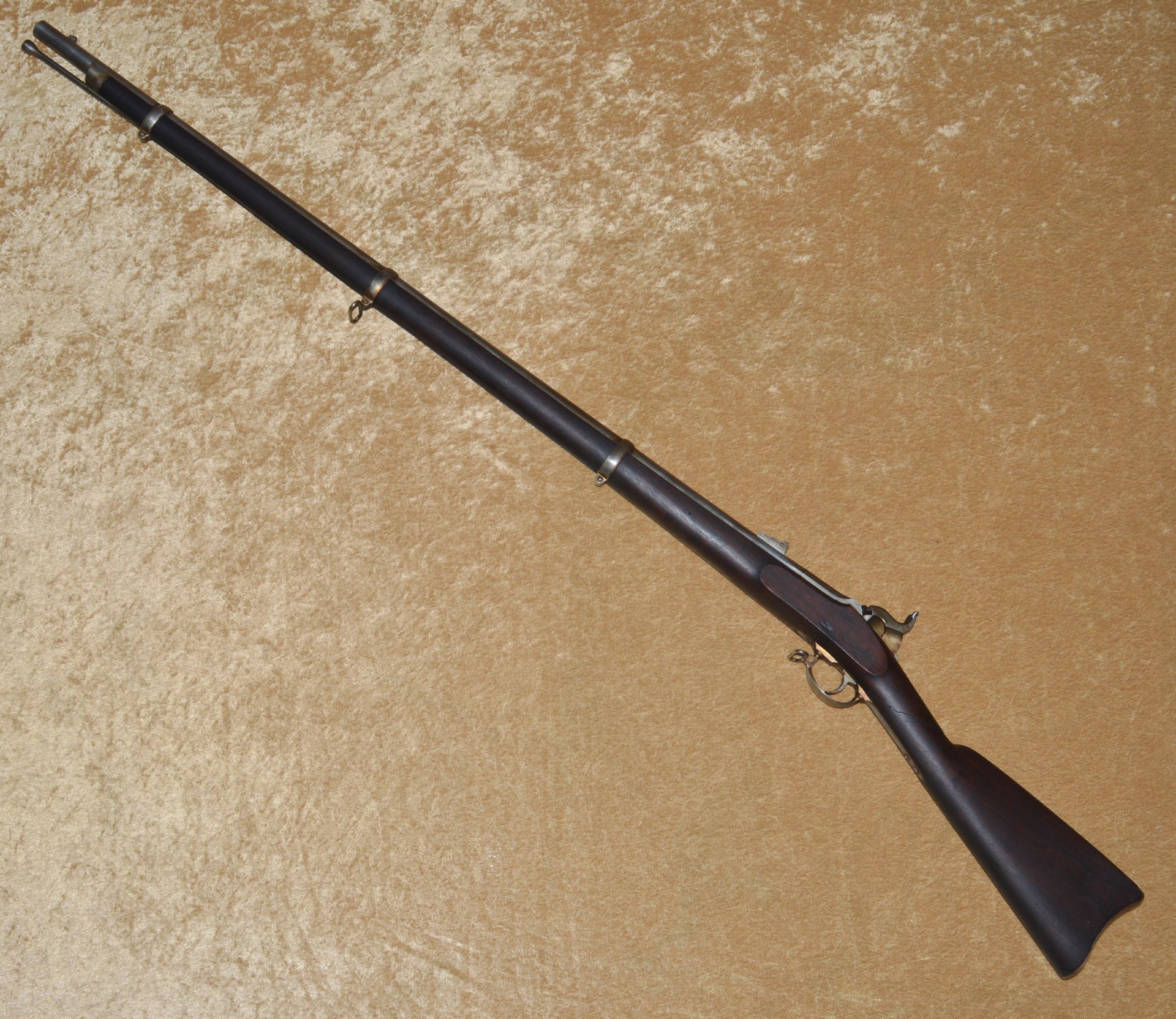
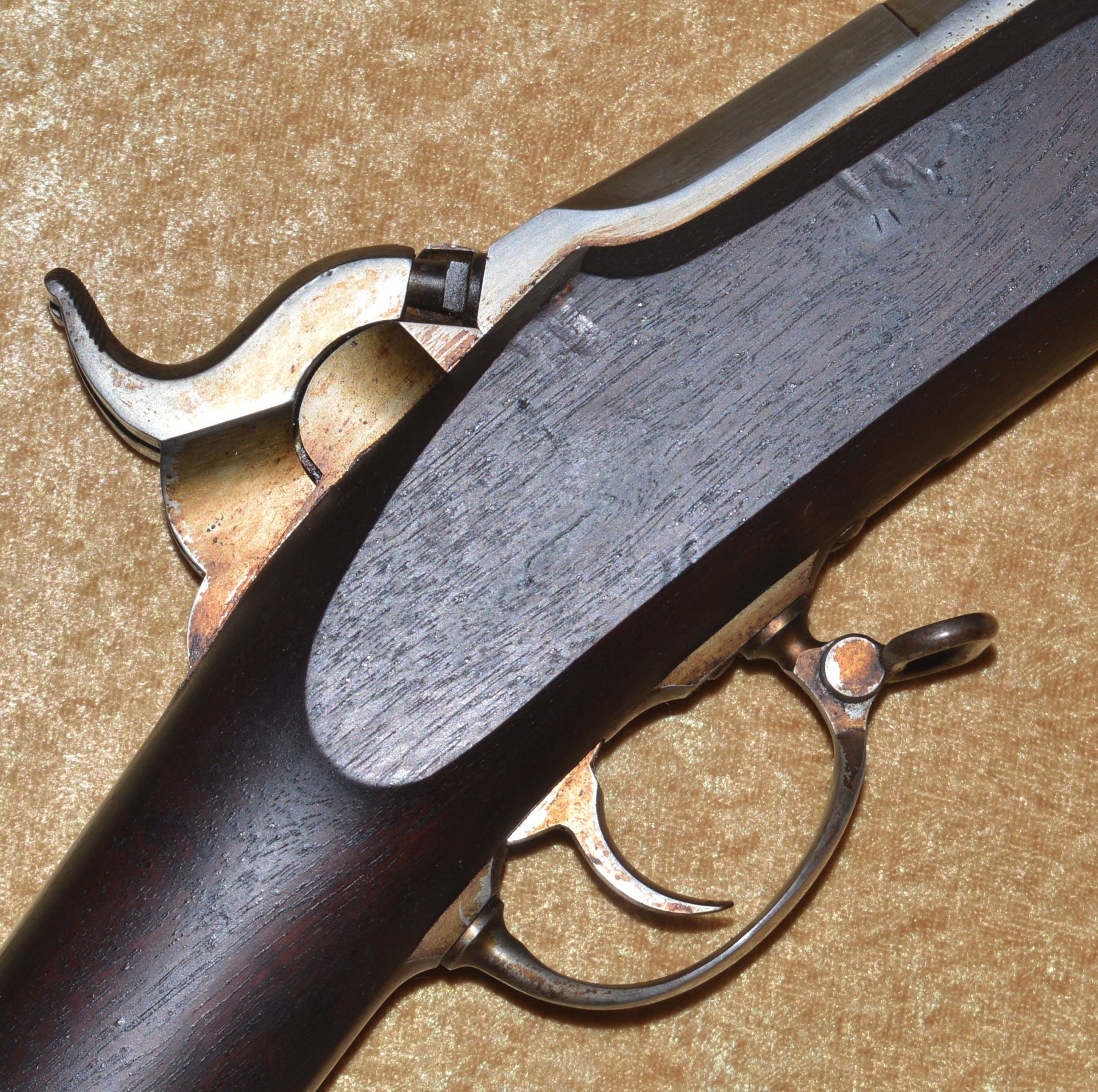
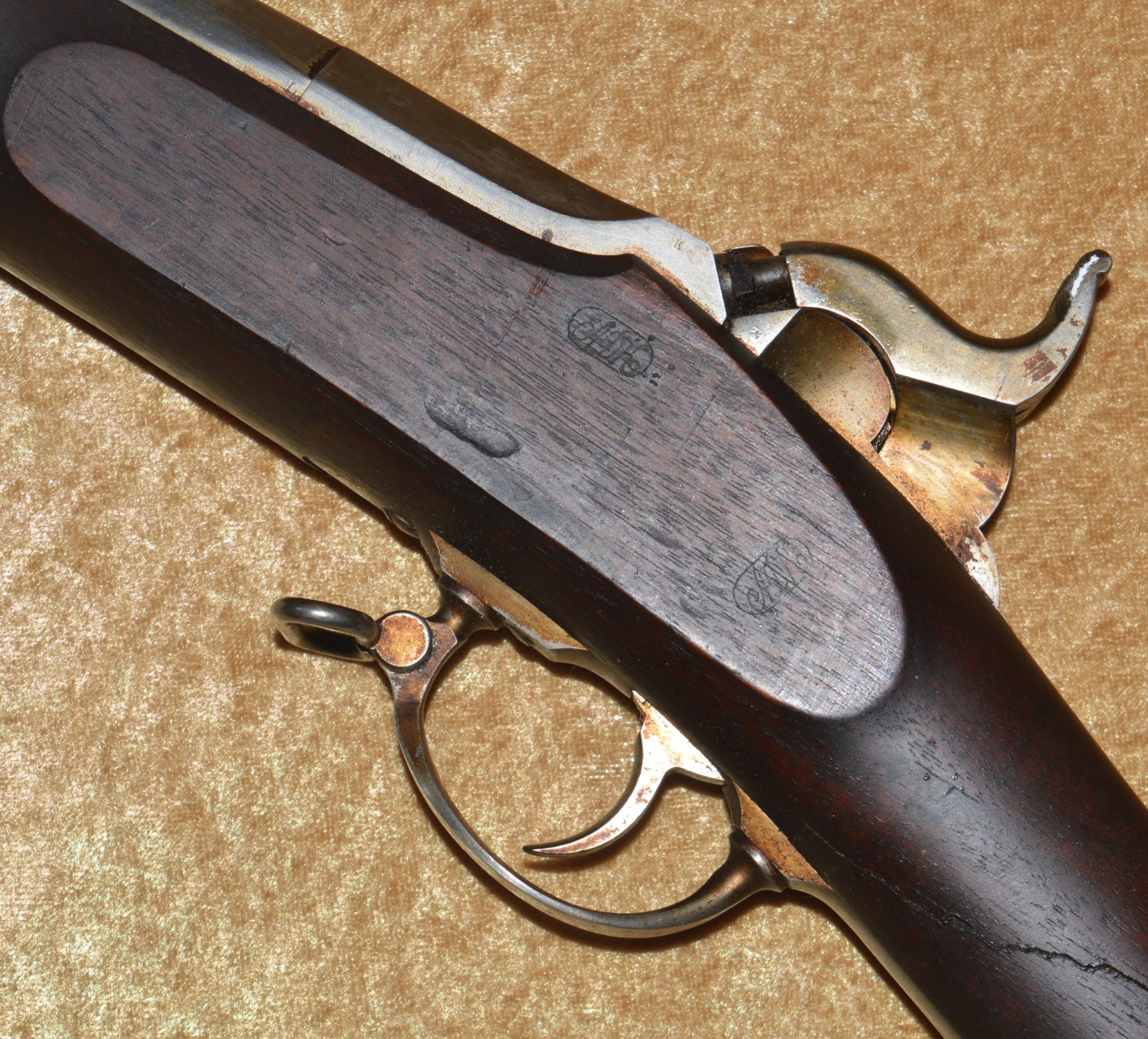
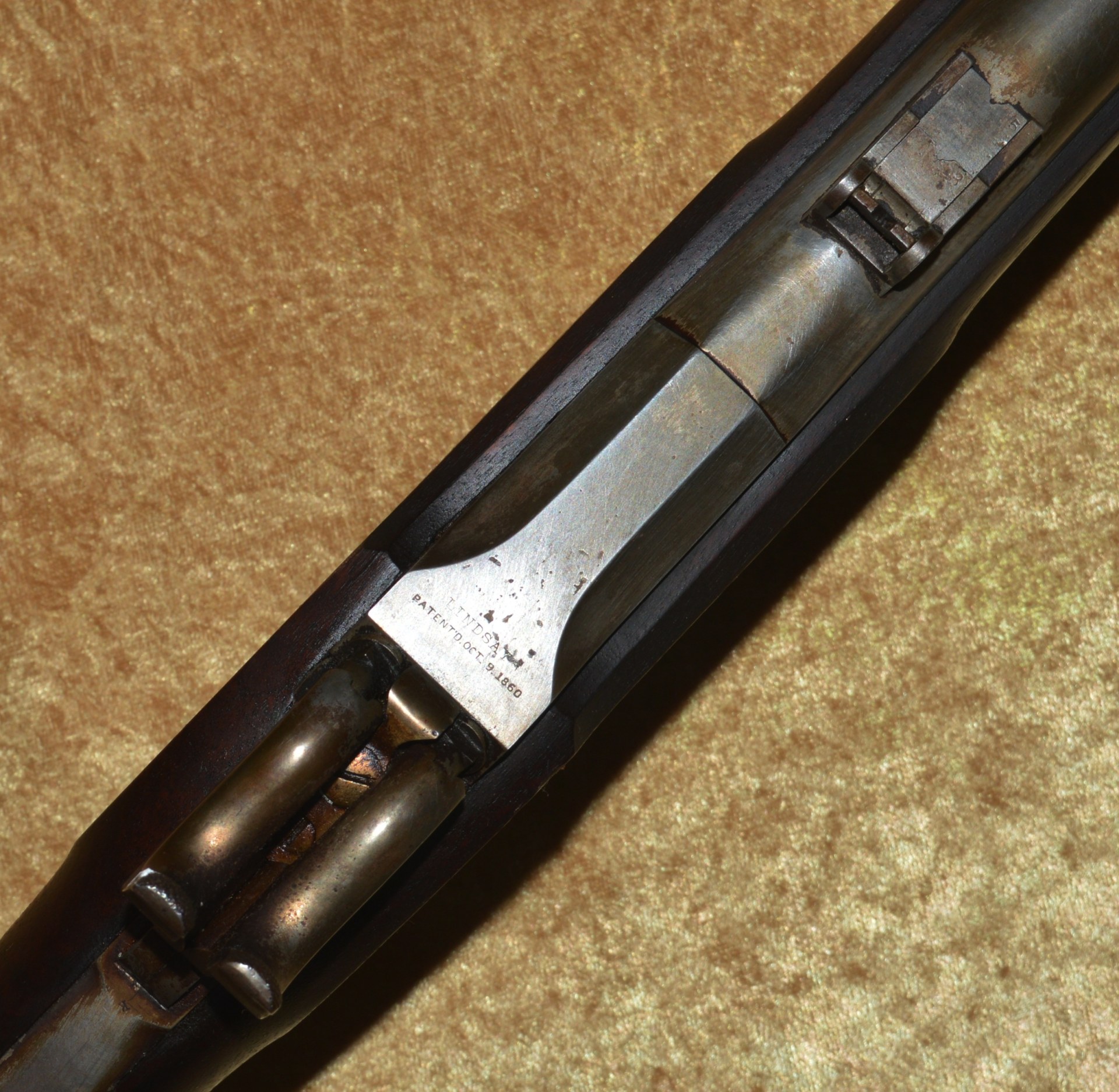
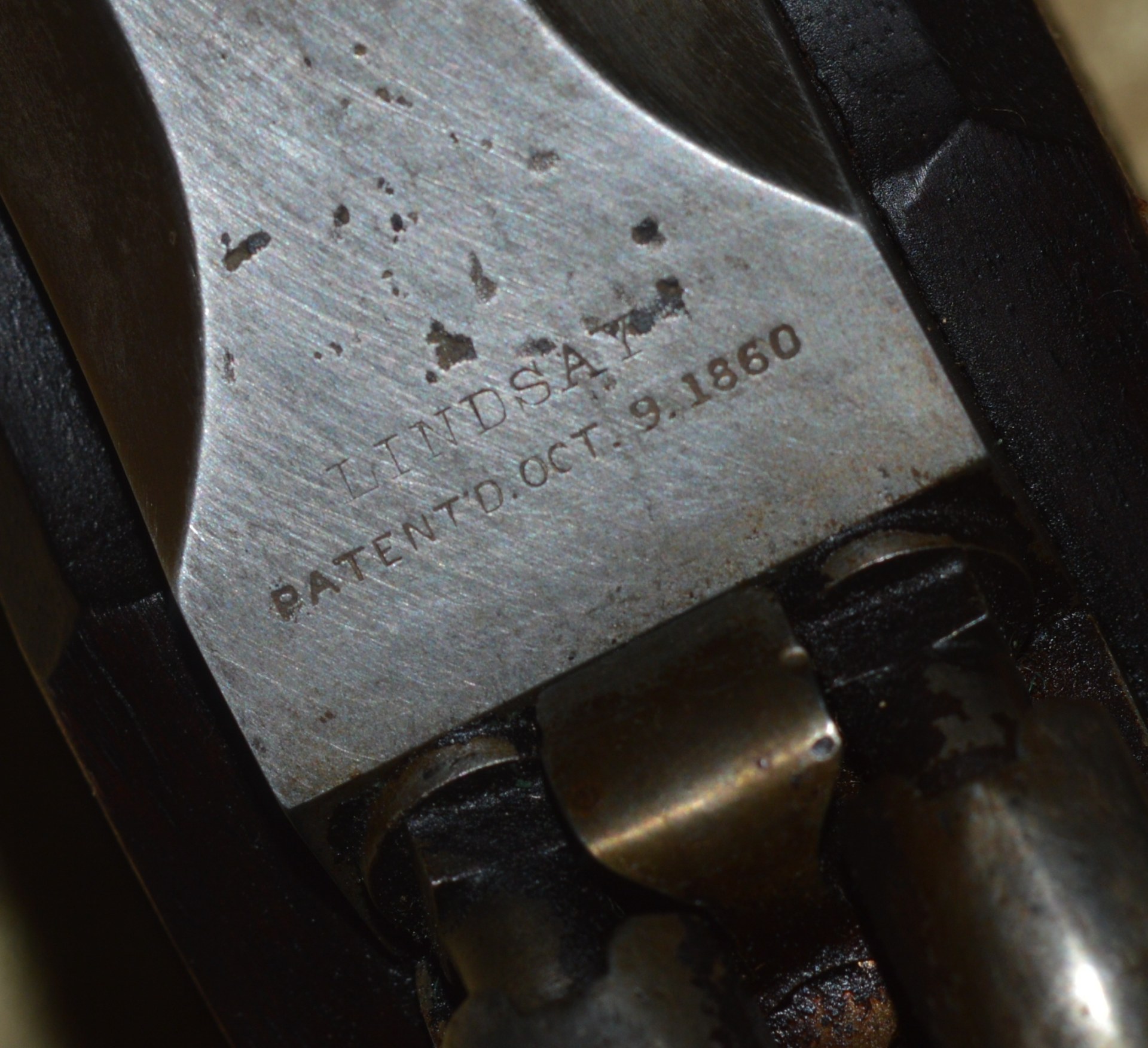
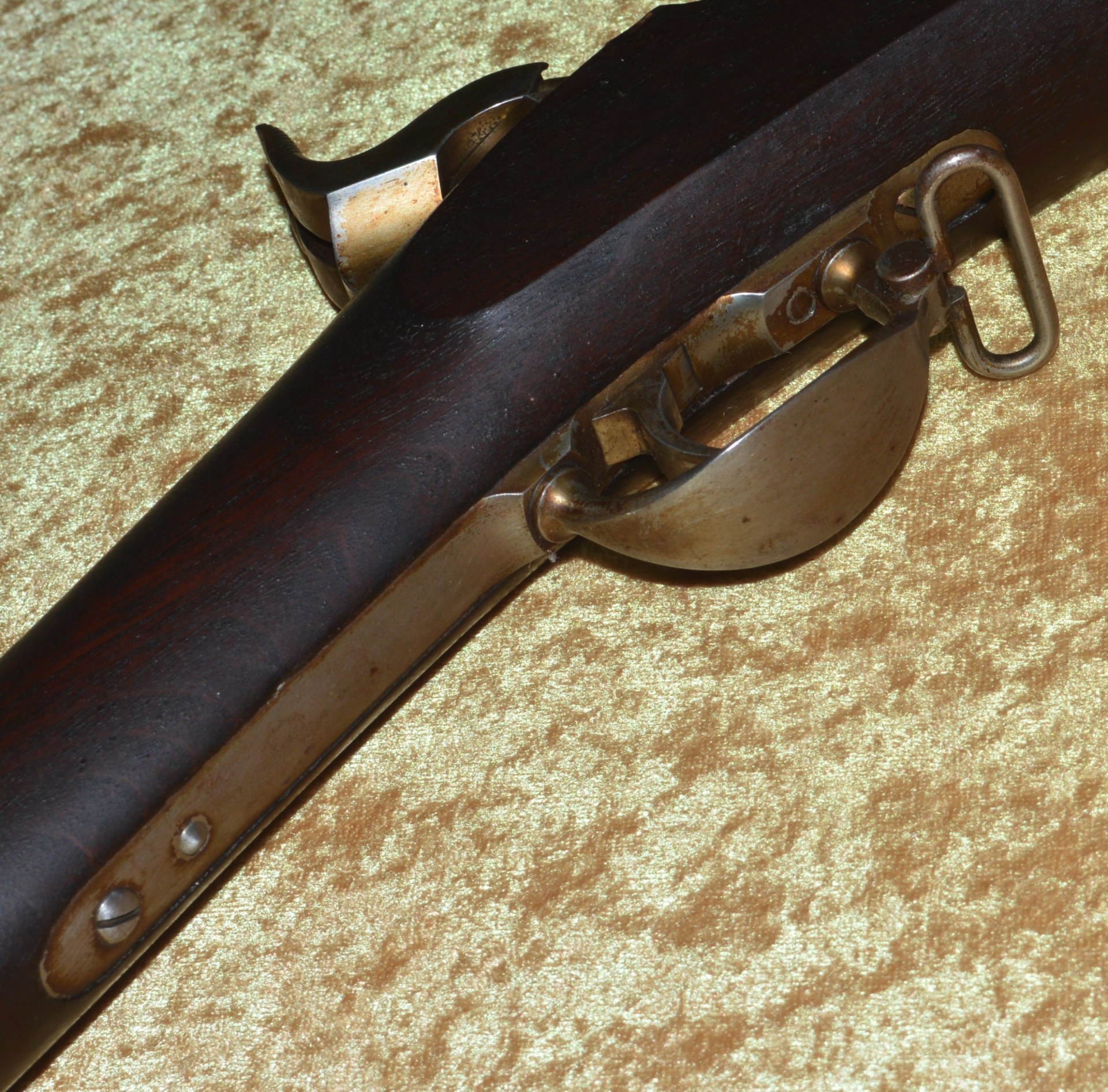
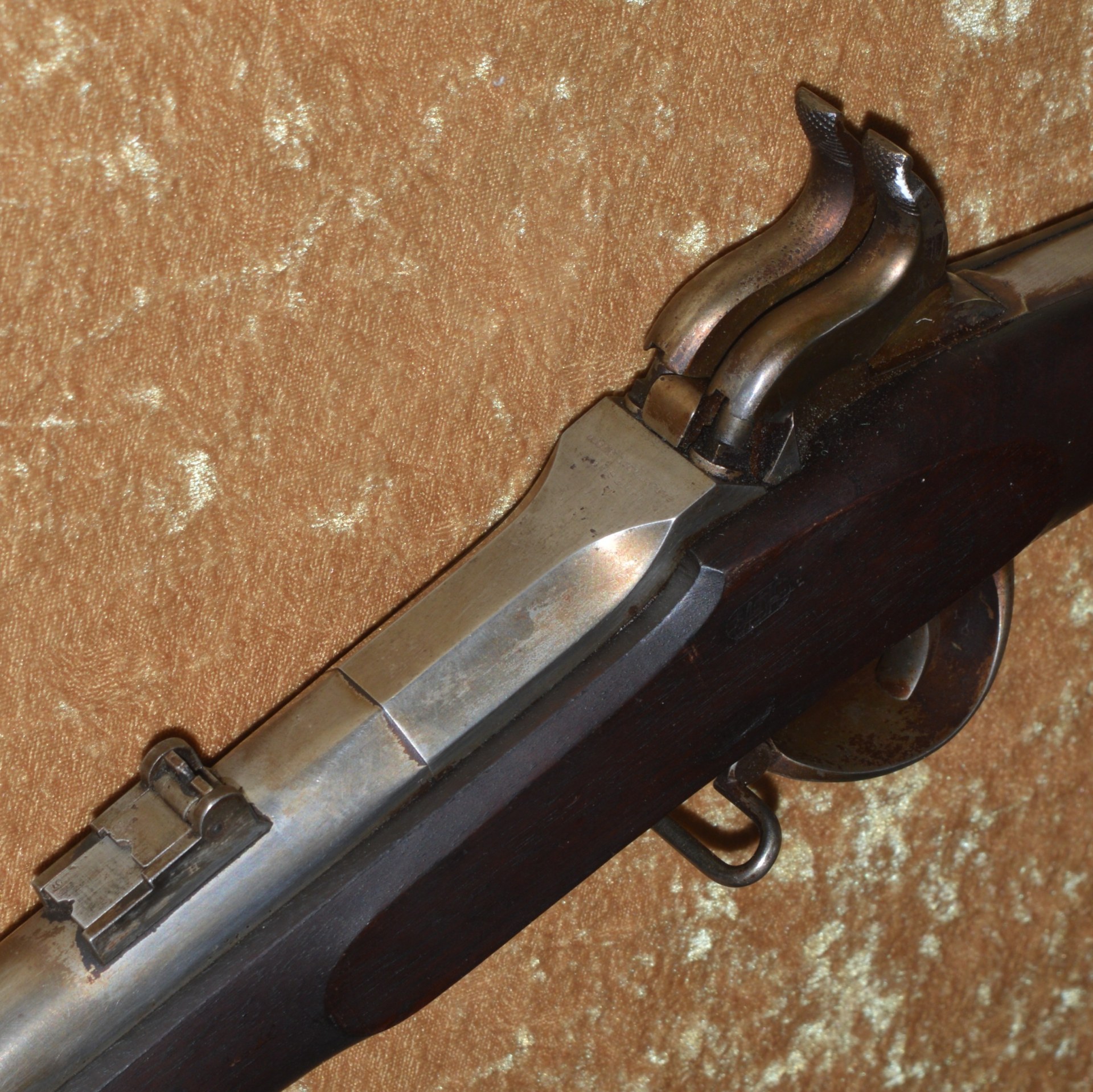
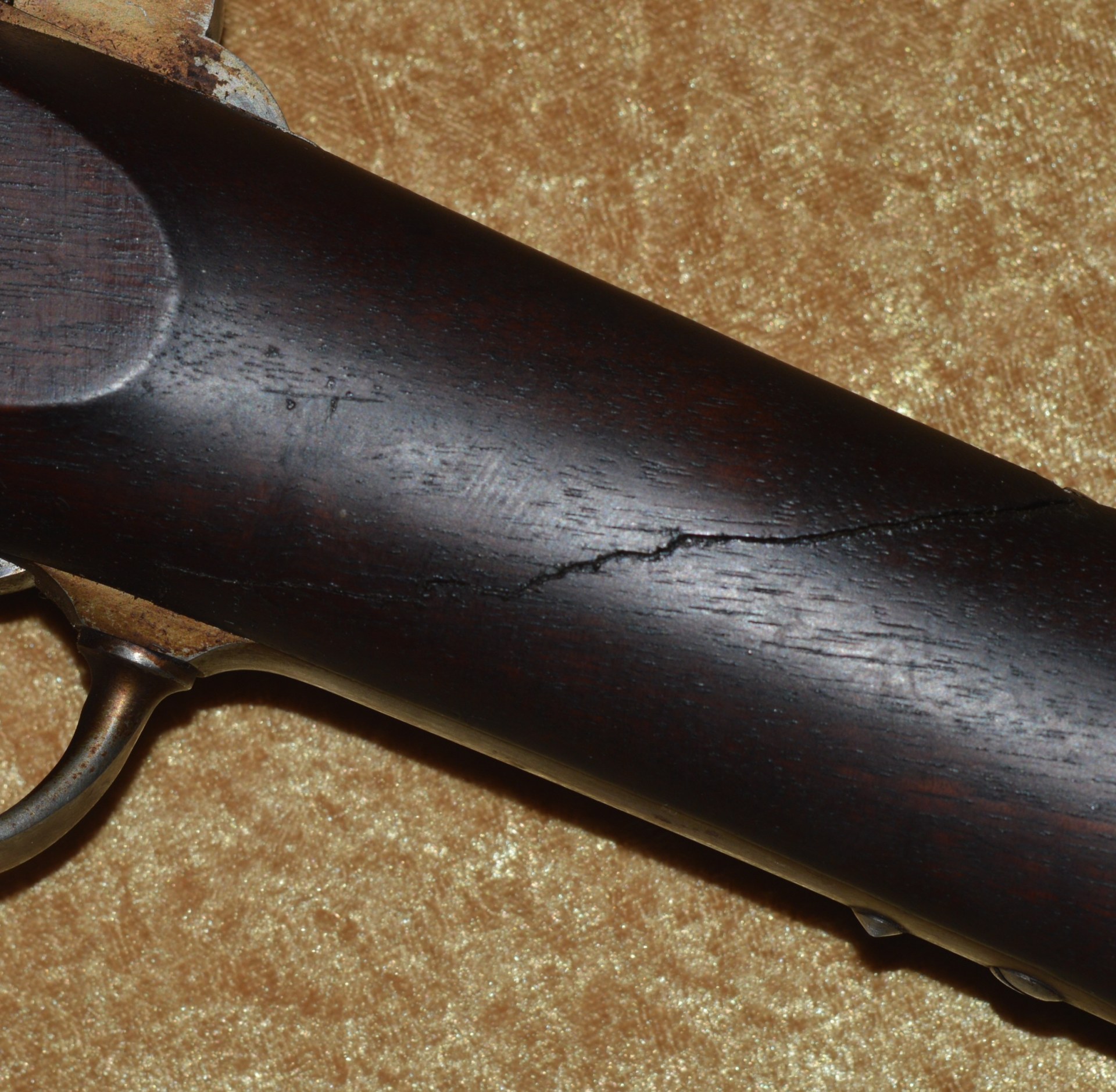
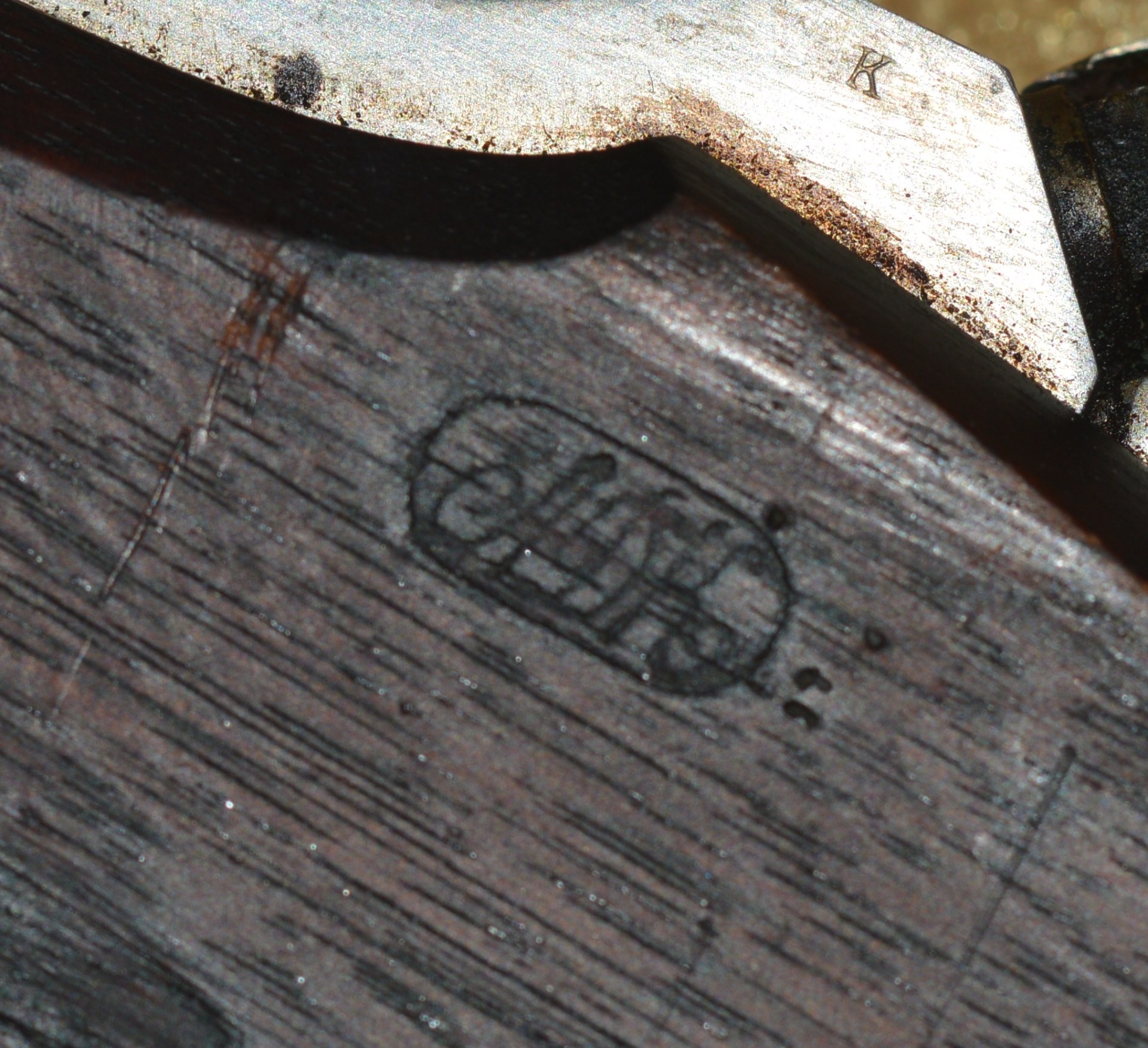
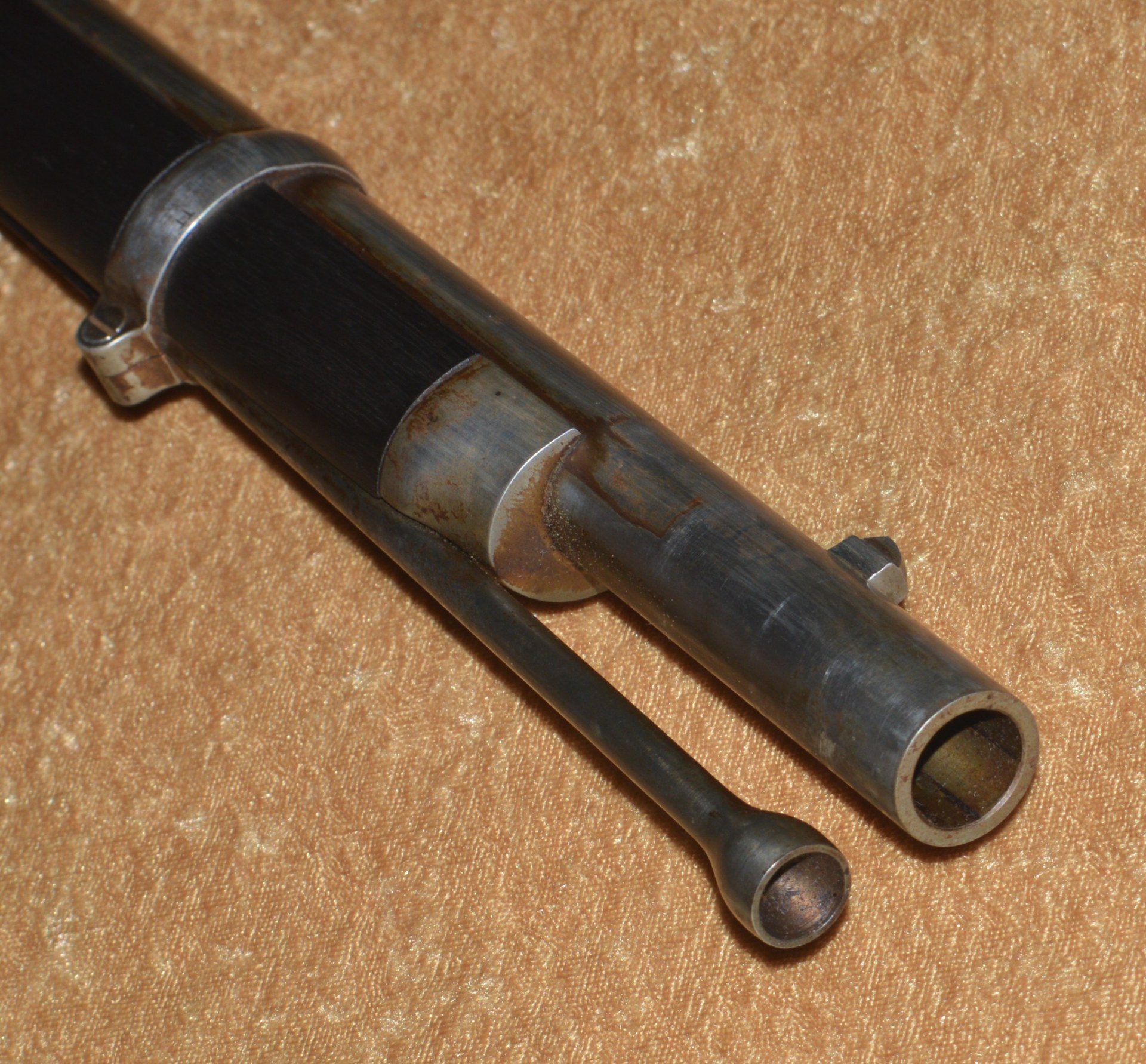
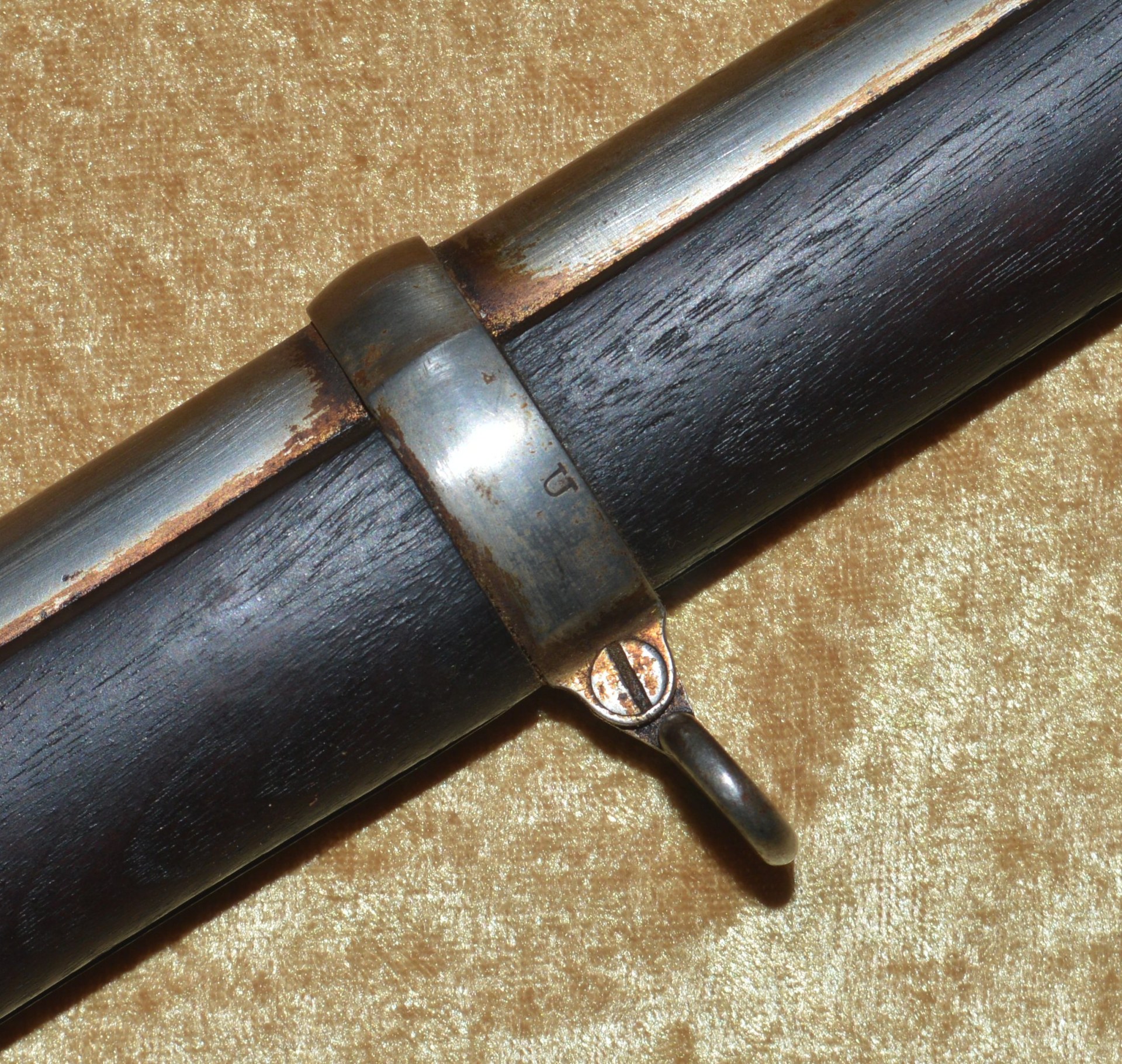
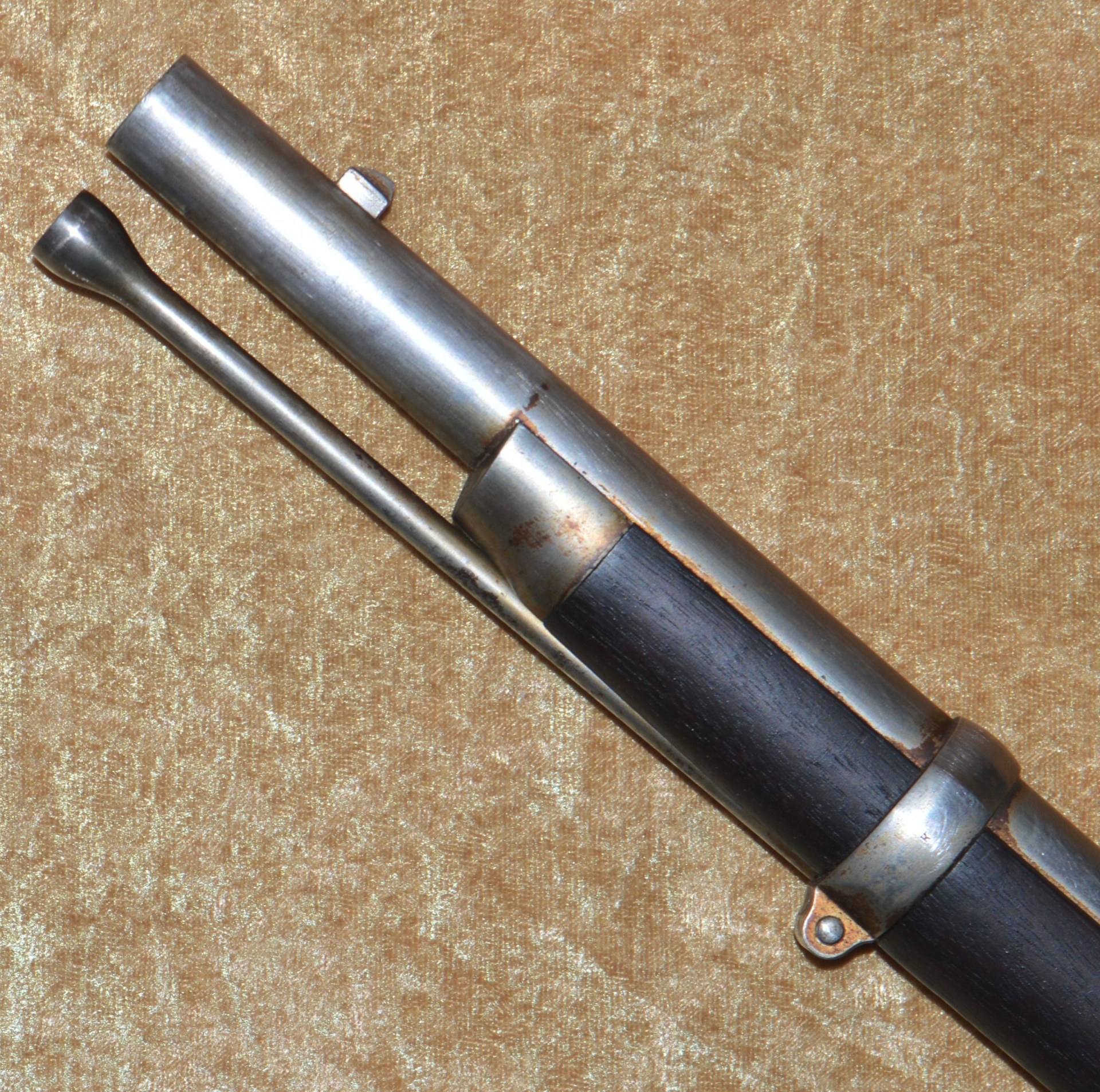
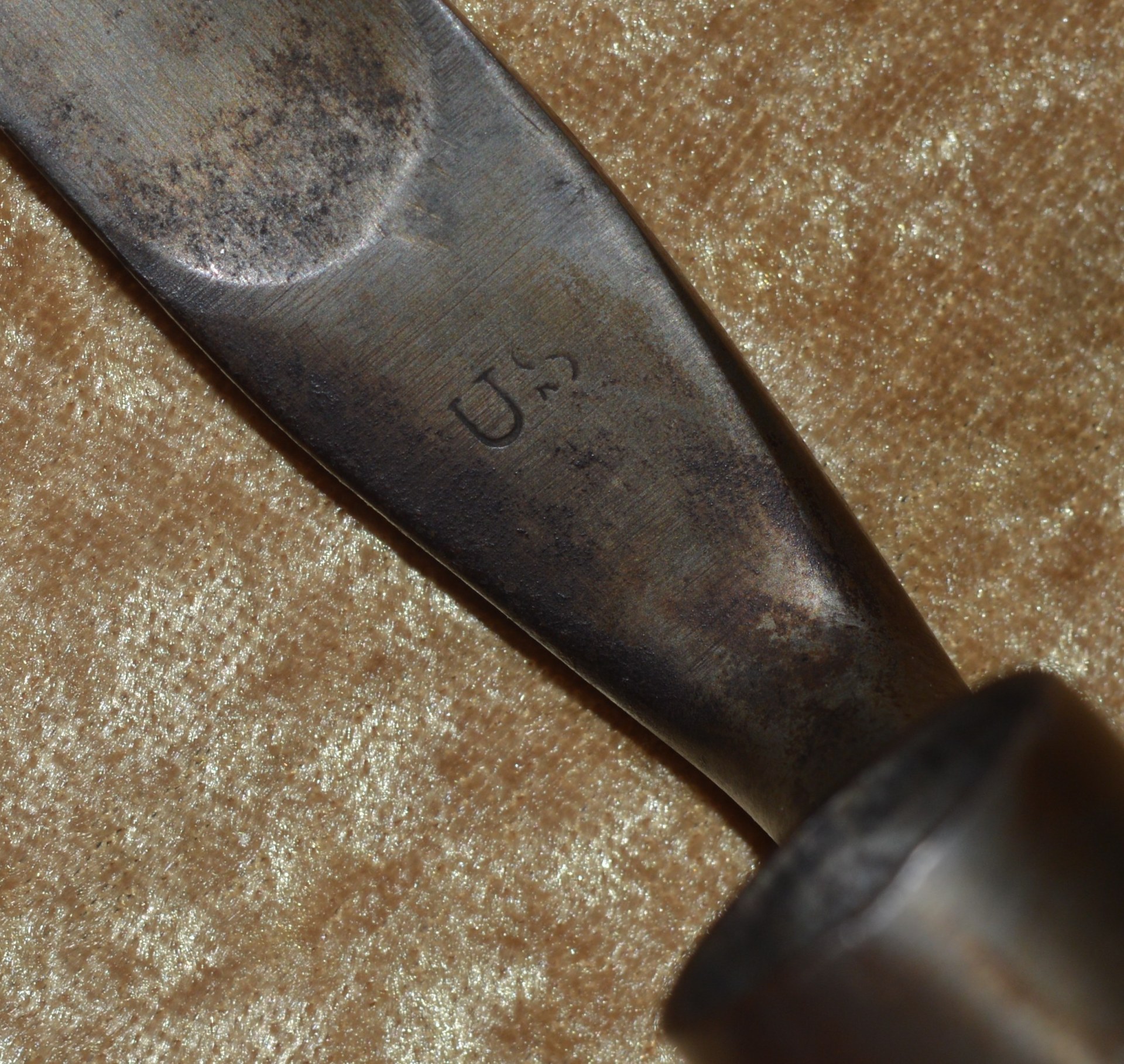
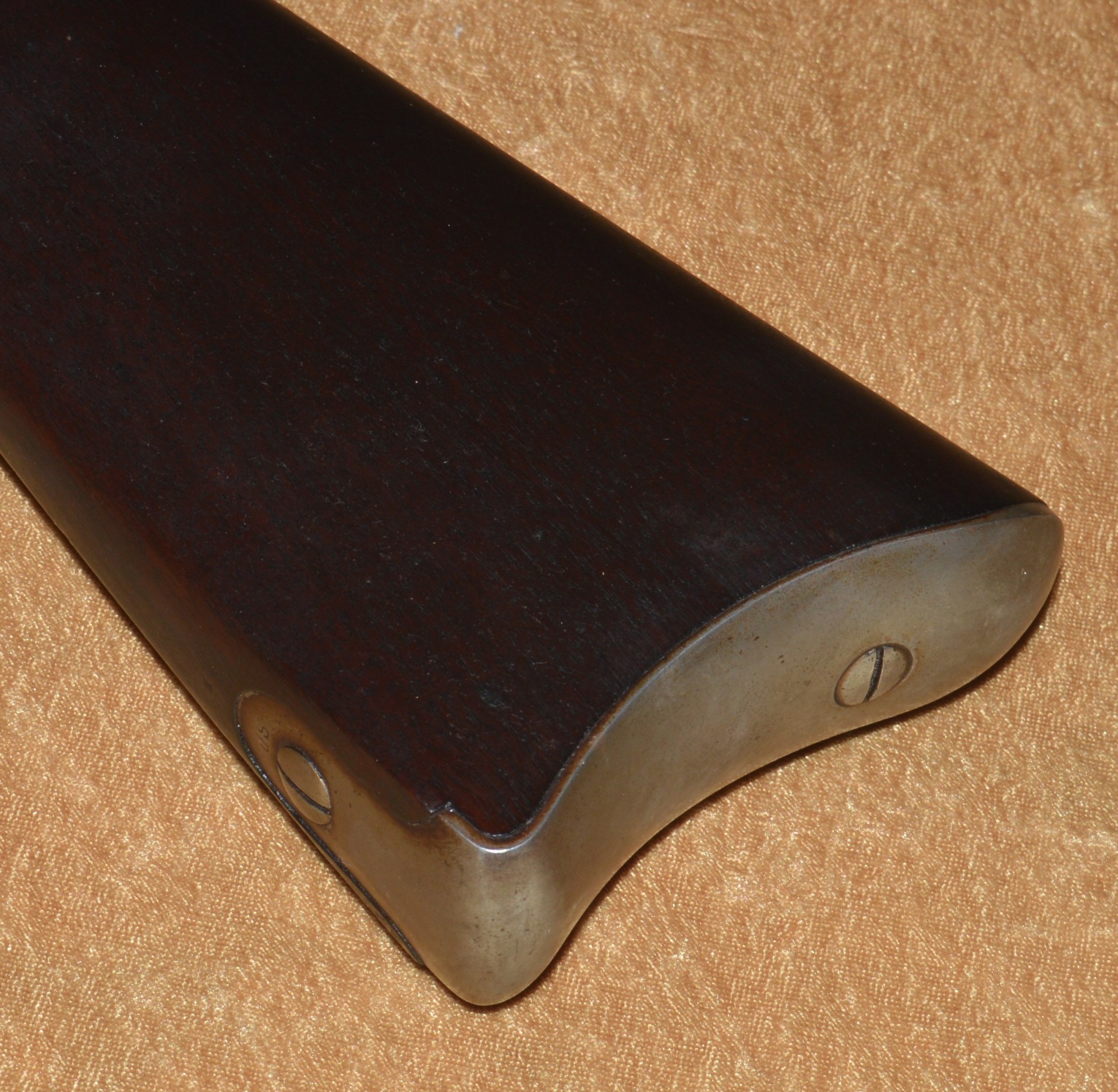
Patented on the eve of the Civil War by J. P. Lindsay in October, 1860, using the same principle as his earlier two-shot percussion pistols, the M1863 Double Rifle Musket was a novel idea, but ultimately proved ineffective in the field. It used a single rifled .58 caliber barrel, with twin hammers and percussion nipples operated by a single trigger to fire superimposed charges, one loaded atop the other. The principle was that the forward-most charge would be fired first, with the rear-most charge firing second. The idea was apparently well-received because the U.S. Ordnance Department contracted for 1,000 of them. In actuality, however, the mechanism proved somewhat involved and often resulted in both charges firing simultaneously, frequently causing damage and/or injury. They were not well received by the units issued them and ultimately their use was abandoned. It features a 41 1/8” round barrel with semi-octagonal breech stamped “LINDSAY/PATENT’D OCT. 9. 1860”; with 3-position folding rear sight and front blade sight that doubles as a bayonet lug. Rather than having a traditional lock and lockplate set in from the right side of the stock, the firing mechanism drops into a mortise from the top and is not exposed from the side. This made servicing the weapon more difficult than traditional muskets. Walnut full stock with two stamped ADK inspector cartouches (Andrew D. King) on the left flat and iron mounts, including 3 barrel bands, fore end cap, ramrod, and butt plate. Sling swivels mounted on the front of the trigger guard and middle barrel band. Included is an original angular socket bayonet, stamped “US” at the base of the blade. Overall length 56”. Metal is smooth and mostly bright, with remains of an old layer of grease. Walnut stock shows minor handling marks, but the left side has a crack running from the rear of the trigger guard to the back of the mechanism tang (not visible from the right side). This was possibly caused by both charges firing simultaneously.
 Rare Chief’s Grade Presentation Fowler Attributed to Sauk Chief Blackhawk
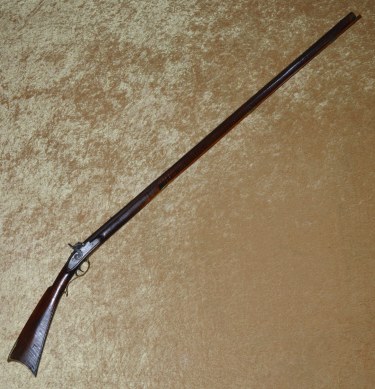 Percussion Pennsylvania Long Rifle, ca. 1860
 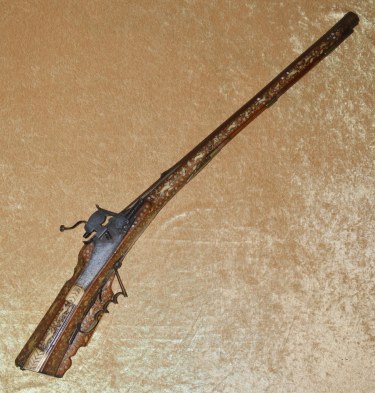 Fine Quality Wheellock Rifle, ca. 1700
 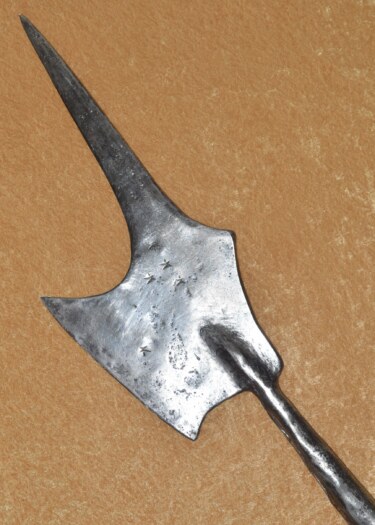 European Halberd, Late 15th/Early 16th C