
European Swords & Daggers, Pre-1700
16th and 17th Century Antique Swords and Daggers for Sale
Showing 1–16 of 25 results
-

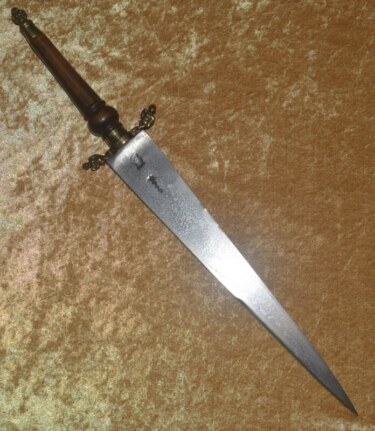
English Plug Bayonet by John Hathaway, ca. 1690
$1,495.00 Add to cart -

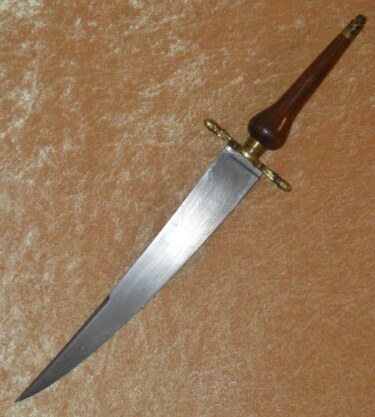
English Plug Bayonet, Last Quarter 17th C
$895.00 Add to cart -

European Field Sword/Rapier, Last Quarter 17th C
$1,495.00 Add to cart -
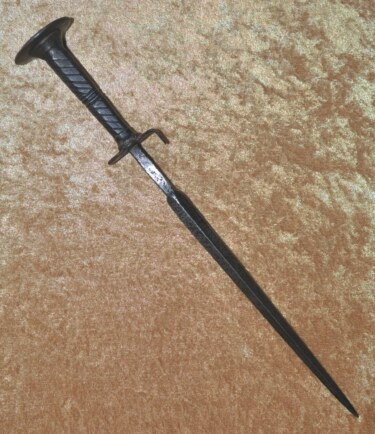
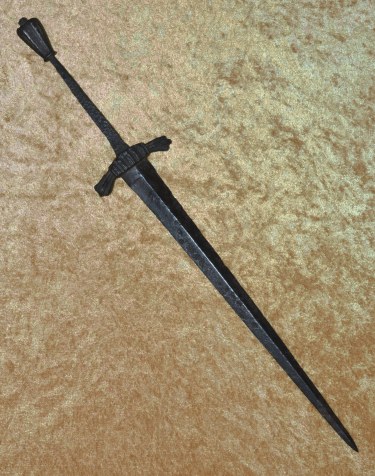
European Rondel Dagger, Misericorde, Late 14th C
$5,995.00 Add to cart -

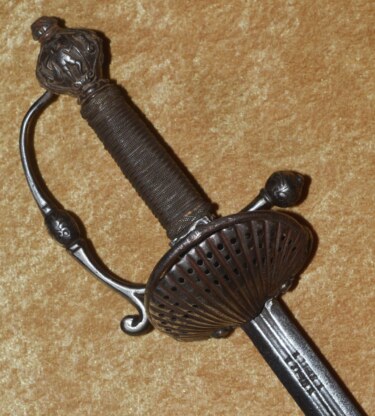
European Shell Guard Rapier, First Half 17th C
$3,995.00 Add to cart -

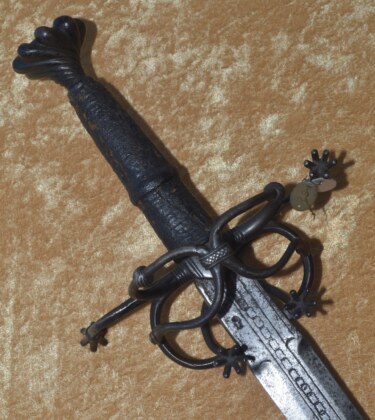
Exceptional German Hand-and-a-Half Sword, 2nd Quarter 16th C
$16,995.00 Add to cart -

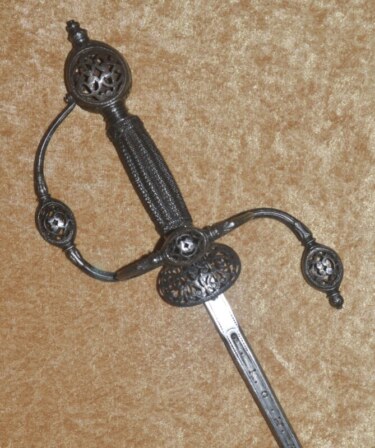
Exquisite Chiseled North European Rapier, ca. 1650
$5,995.00 Add to cart -

Fine and Unique Chiseled European Rapier, First Half 17th C
$14,995.00 Add to cart -

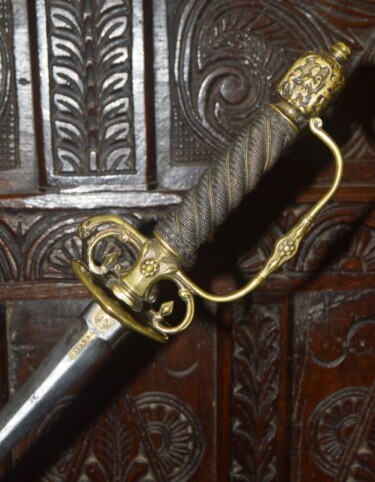
Fine German Transitional Rapier/Smallsword, Late 17th/early 18th C
$2,295.00 Add to cart -

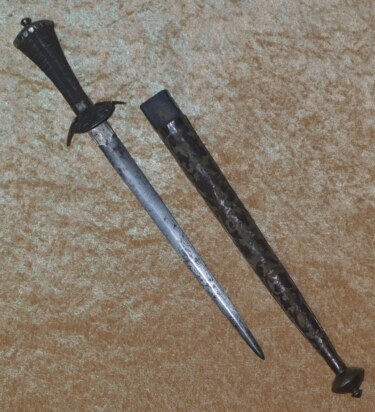
German Knightly Dagger, ca. 1540
$1,995.00 Add to cart -

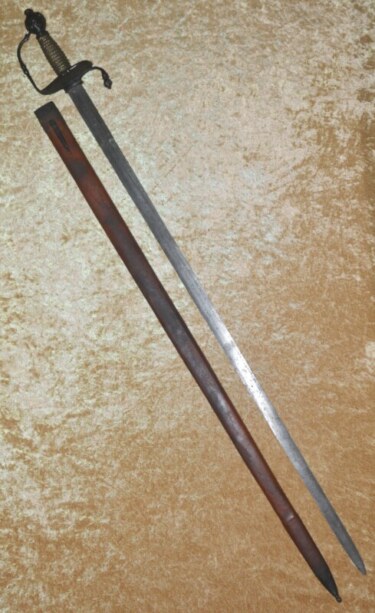
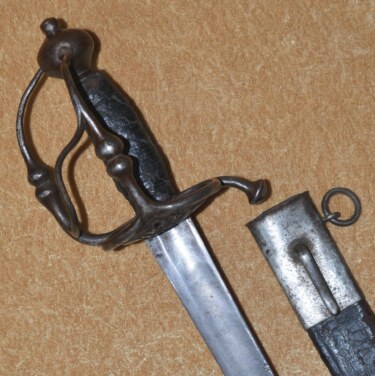
German Officer’s Broadsword with Scabbard, ca. 1680
$2,695.00 Add to cart -

Italian Town Sword, Rapier, Mid-17th C
$2,995.00 Add to cart -

Late 16th C Landsknecht Dagger and Scabbard, Probably German
$3,995.00 Add to cart -

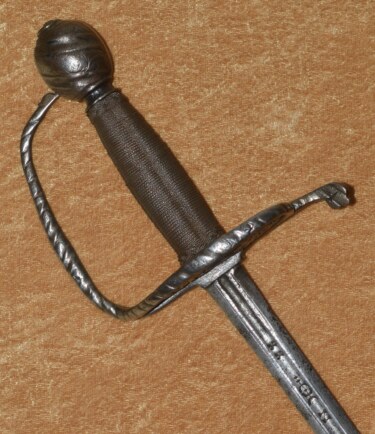
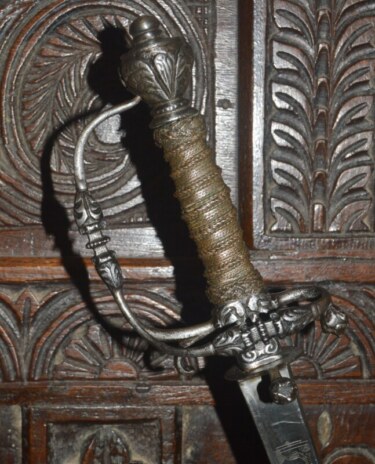
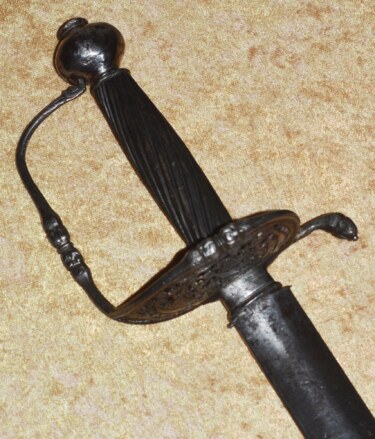
Late 17th C Officer’s Sword, French or German
$995.00 Add to cart -

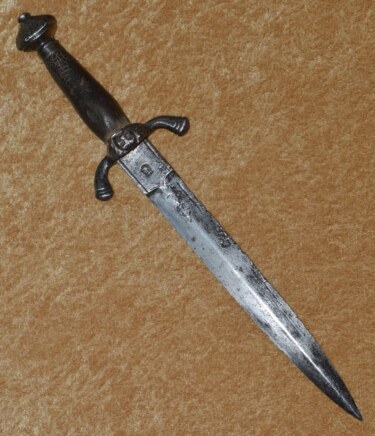
Left Hand Dagger, Late 16th C, Probably German
$1,695.00 Add to cart -

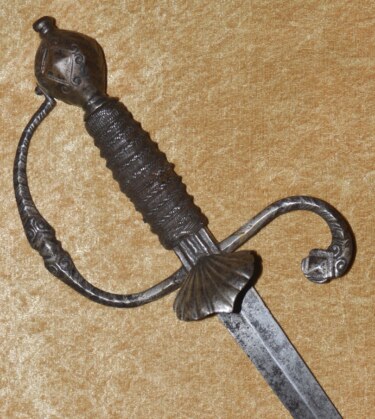
North European “Walloon” Cavalry Sword, Mid-17th C
$1,995.00 Add to cart
WARNING: We have recently discovered several suspected scam/phishing sites on the internet which claim to offer antique weaponry at greatly discounted prices. No legitimate dealer can sell genuine items like this at those prices, so buyer beware. We have been selling online since 1999 and our prices are in line with anything offered by any other reputable dealer.
© 2026 Antique Weapon Store.