
Description
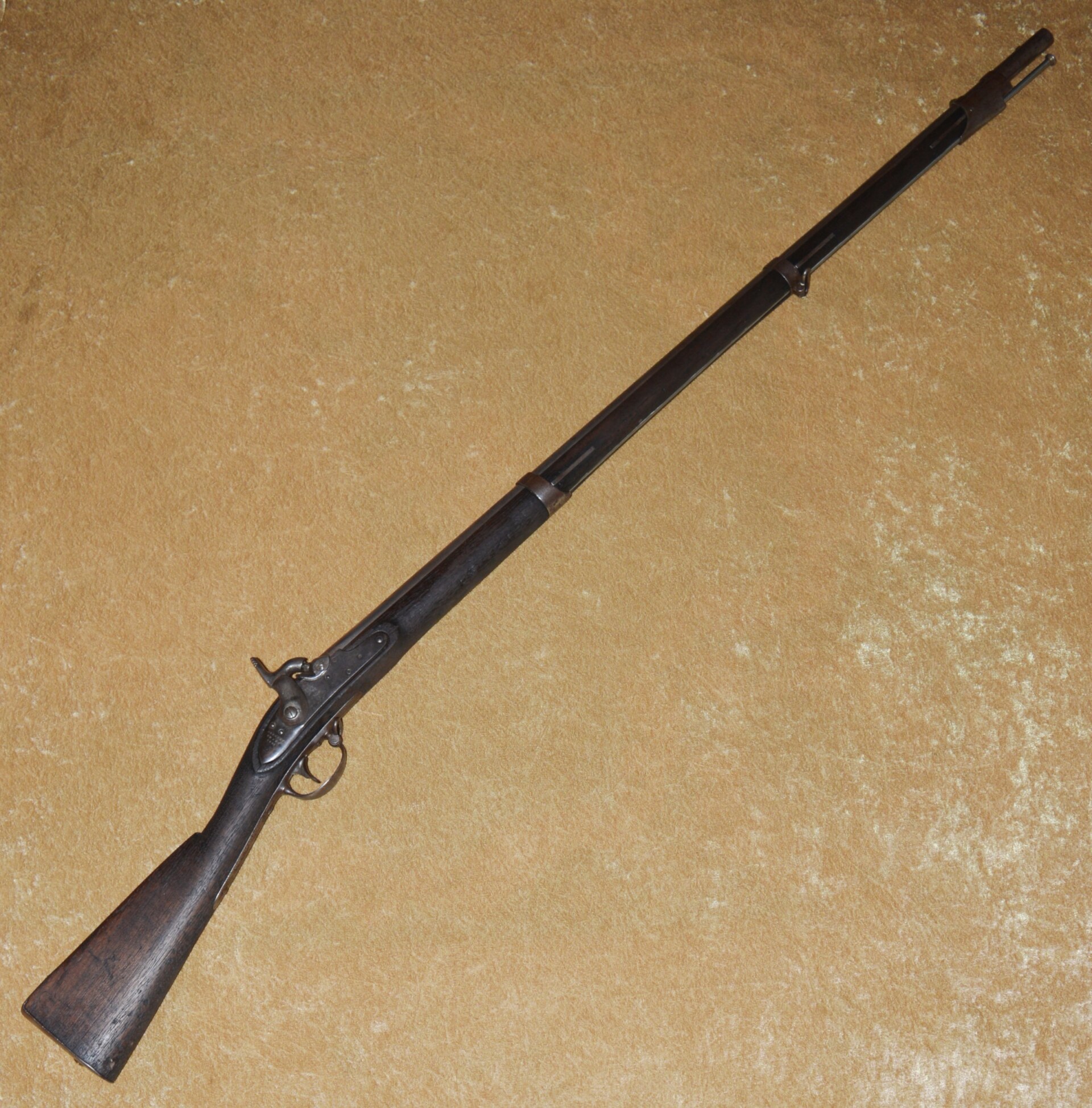
The Harpers Ferry Armory produced the M1816 Flintlock Musket from 1816 until 1844. By
the time their production had ended, it was replaced by the new percussion ignition system
employed in the US M1842 Percussion Musket. After a six year evaluation, it was decided
that the flintlock arms made after 1812 and in serviceable condition would be converted to
percussion. The vast majority of the “Type III” M1816 flintlocks (made 1831-1844) were
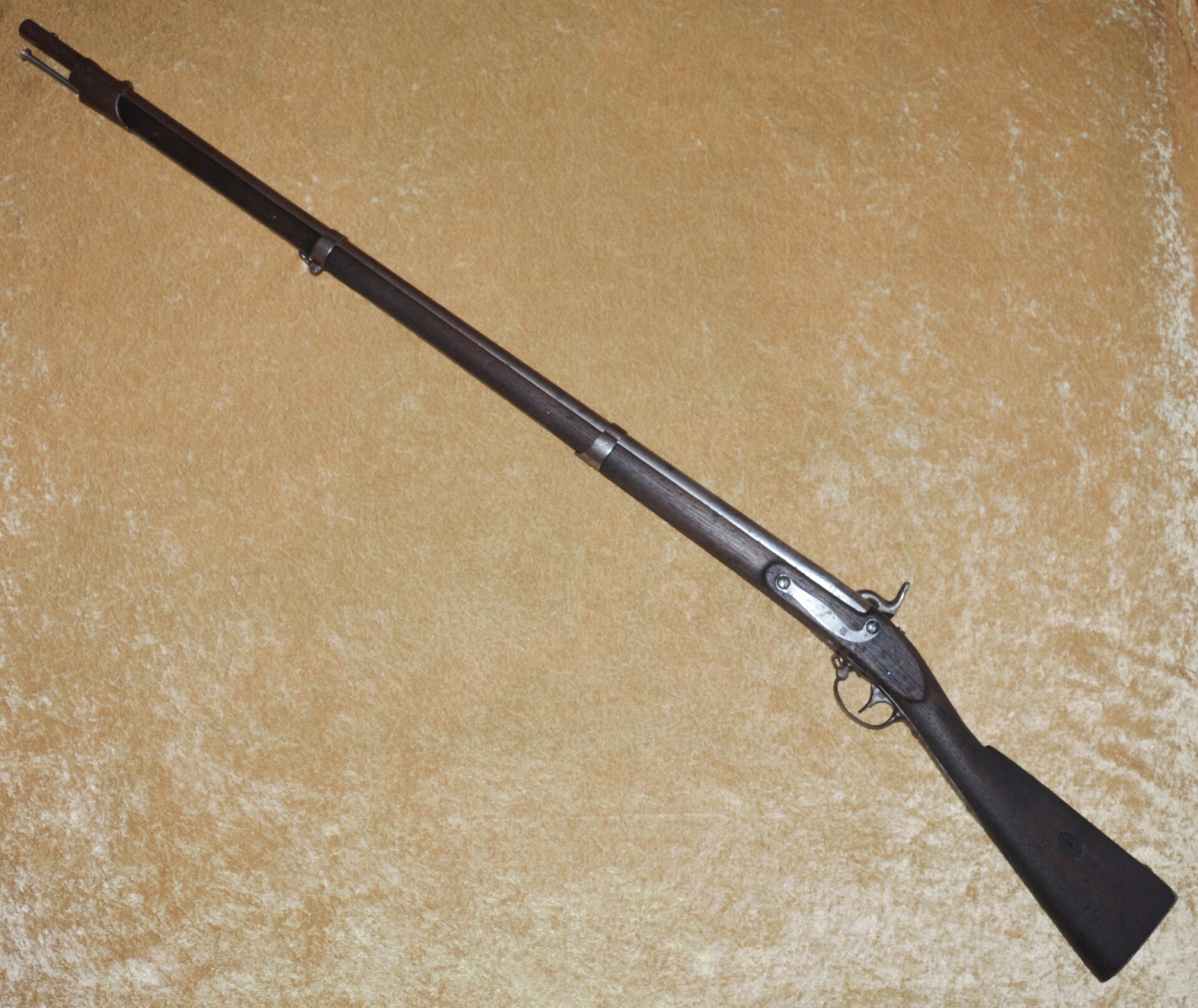
converted to percussion by one of several different methods. This example, originally made
in 1841, was converted sometime between the mid 1850’s and the early Civil War years by
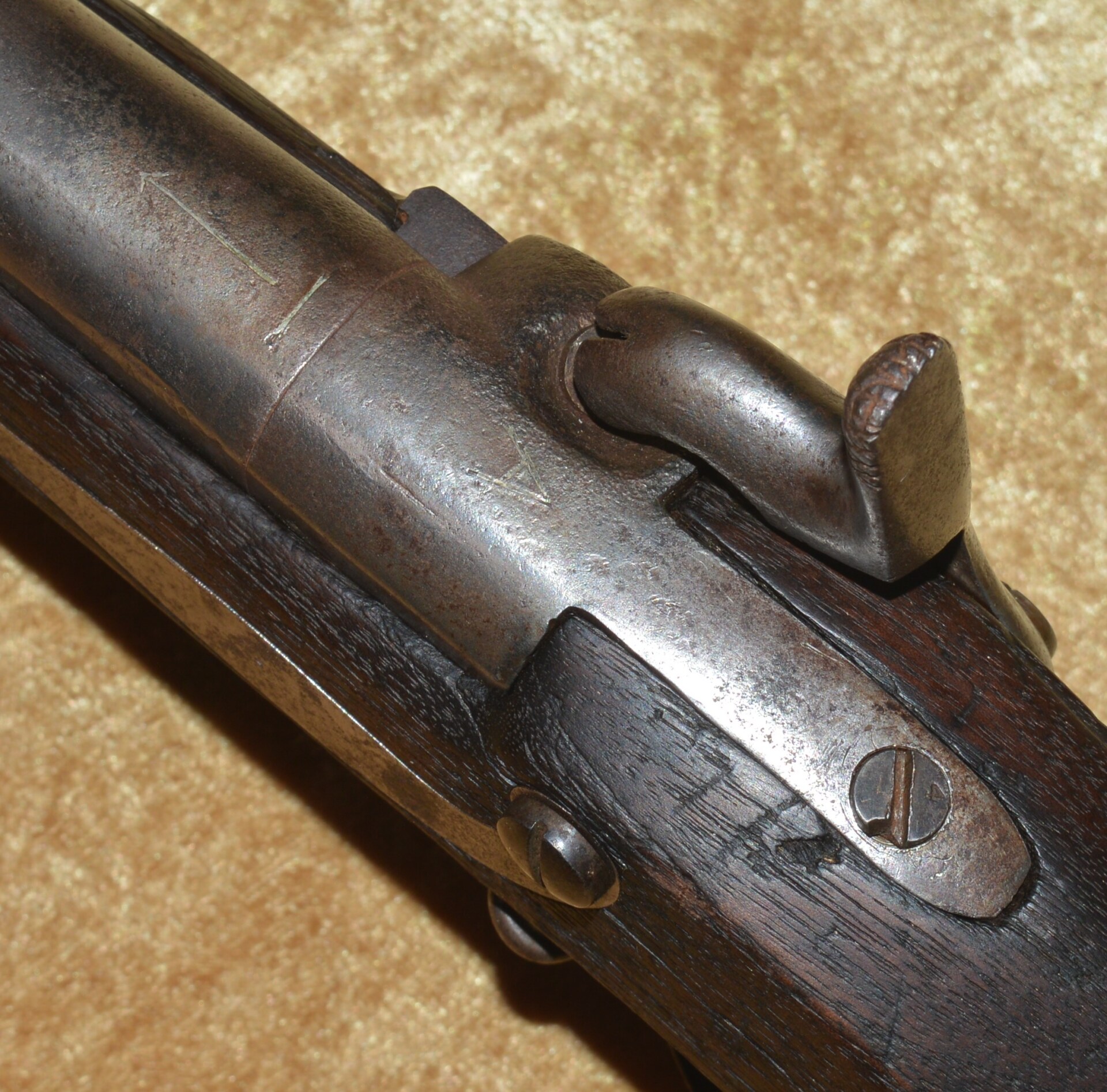
a private contractor using the “Bolster type” conversion, where the breech of the barrel was
cut off and replaced with a section that included an integral bolster for the percussion
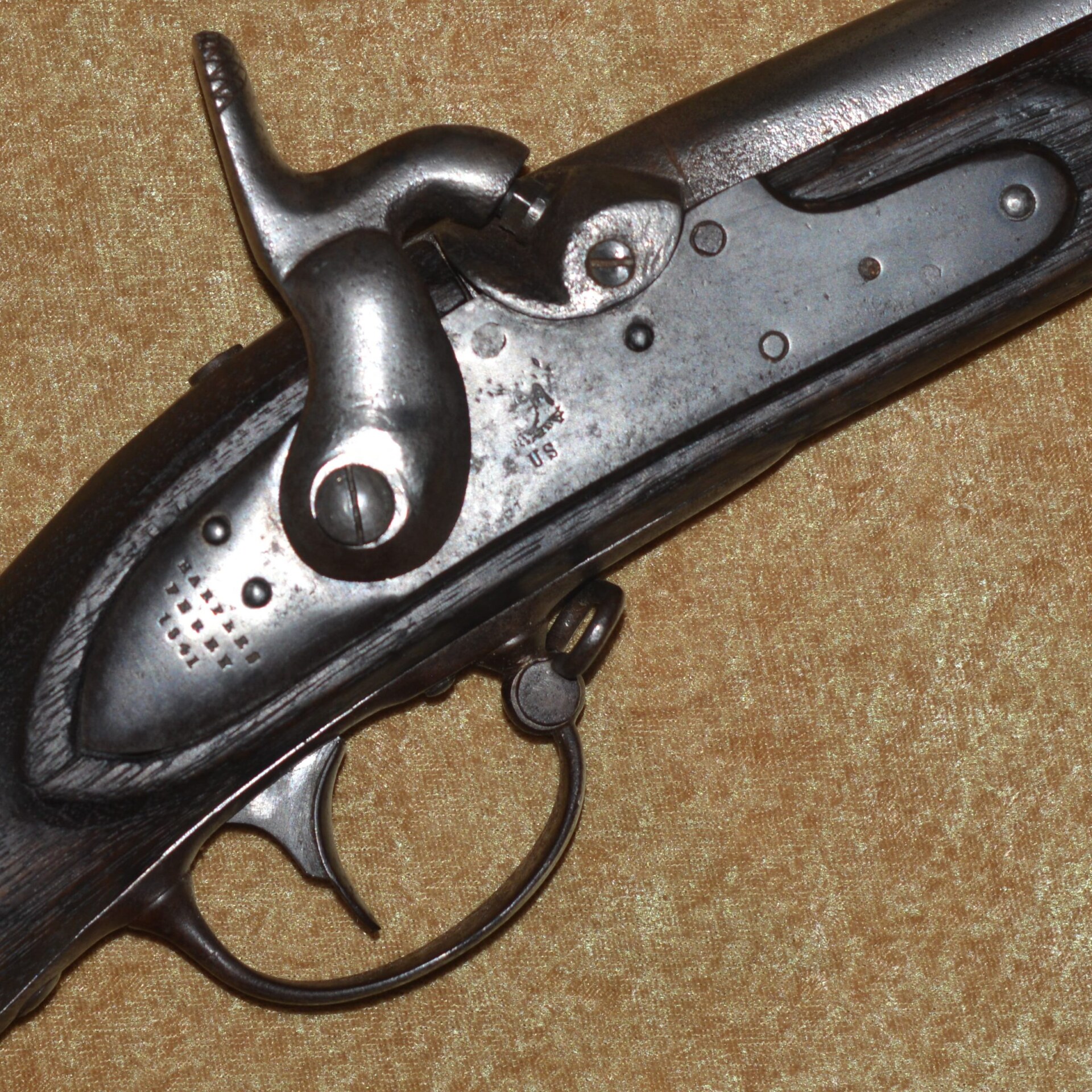
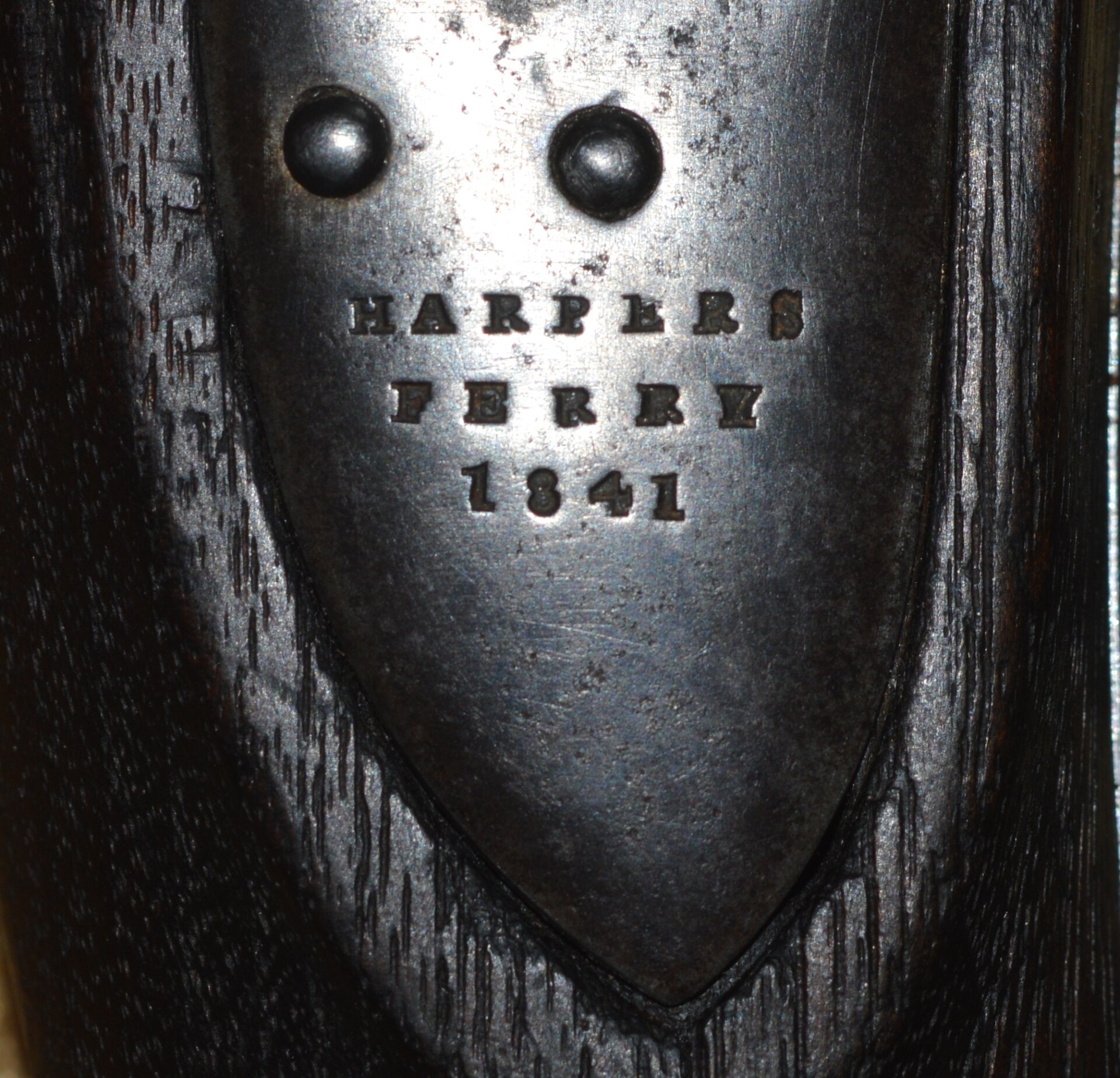
nipple. The breech section and barrel are marked with arrows for alignment. Flat lockplate
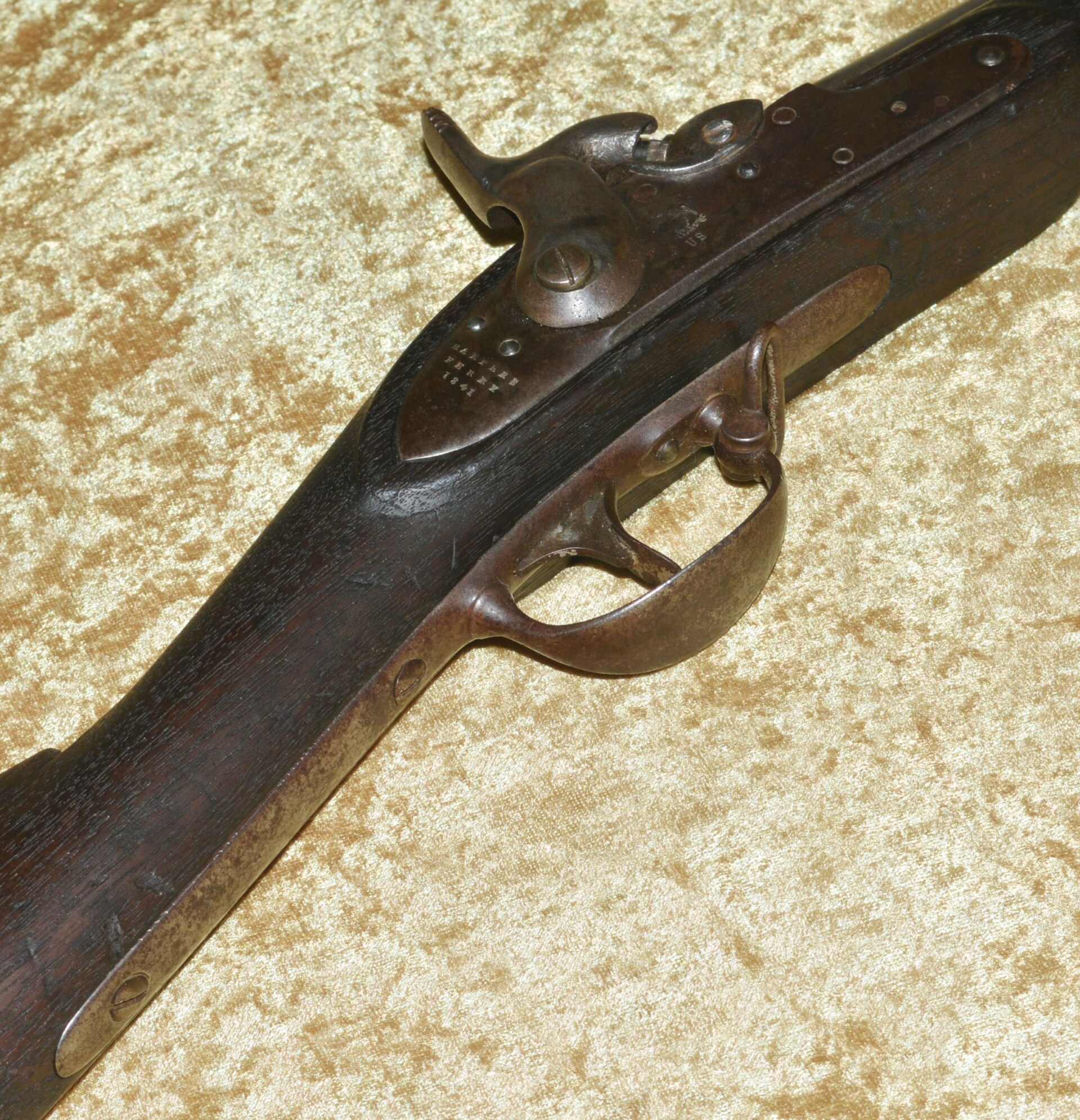
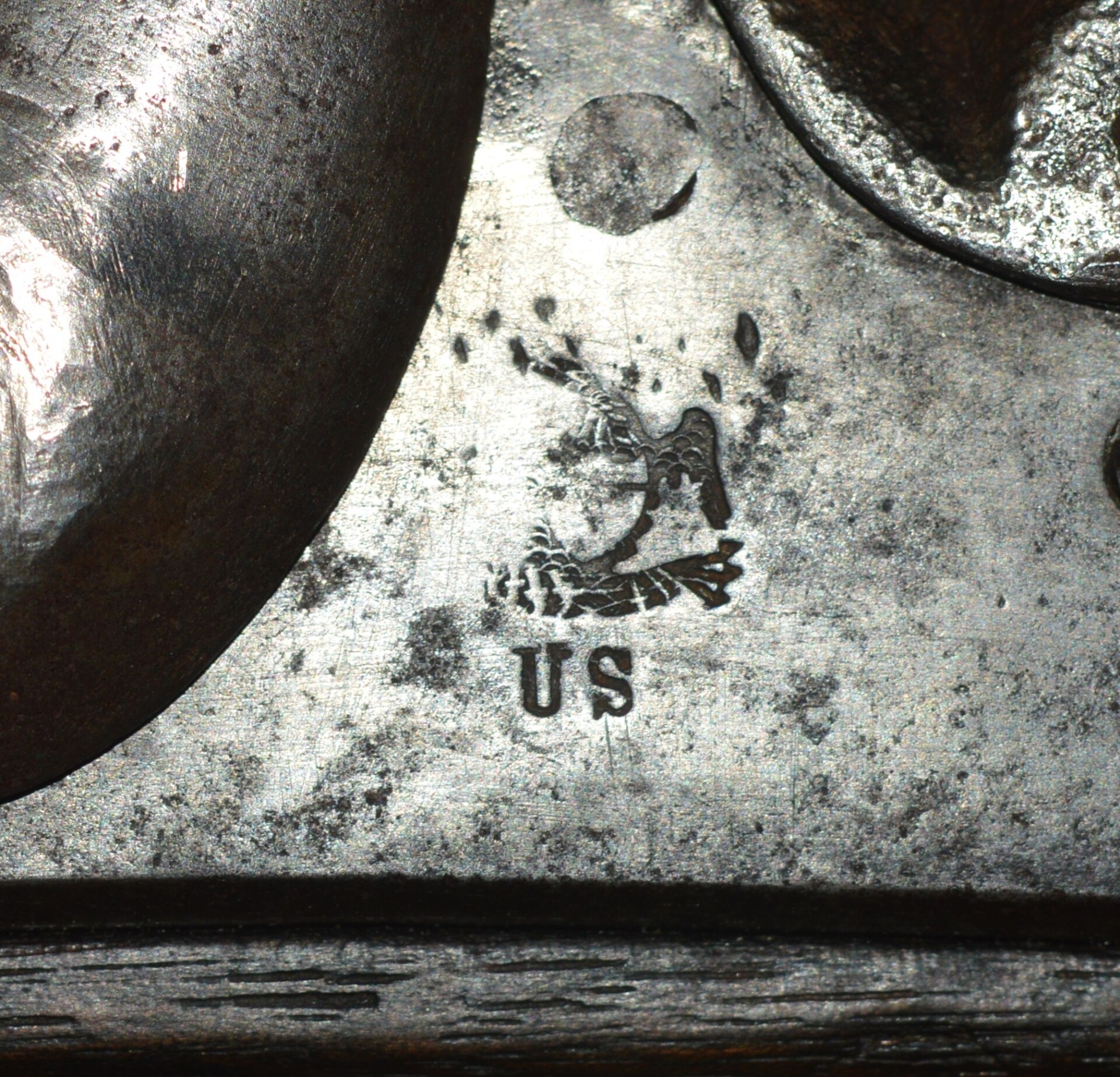
with beveled edges, the rear rounded, stamped “HARPERS/FERRY/1841 vertically behind
the hammer and an eagle over “US” horizontally in front. The holes that originally held the
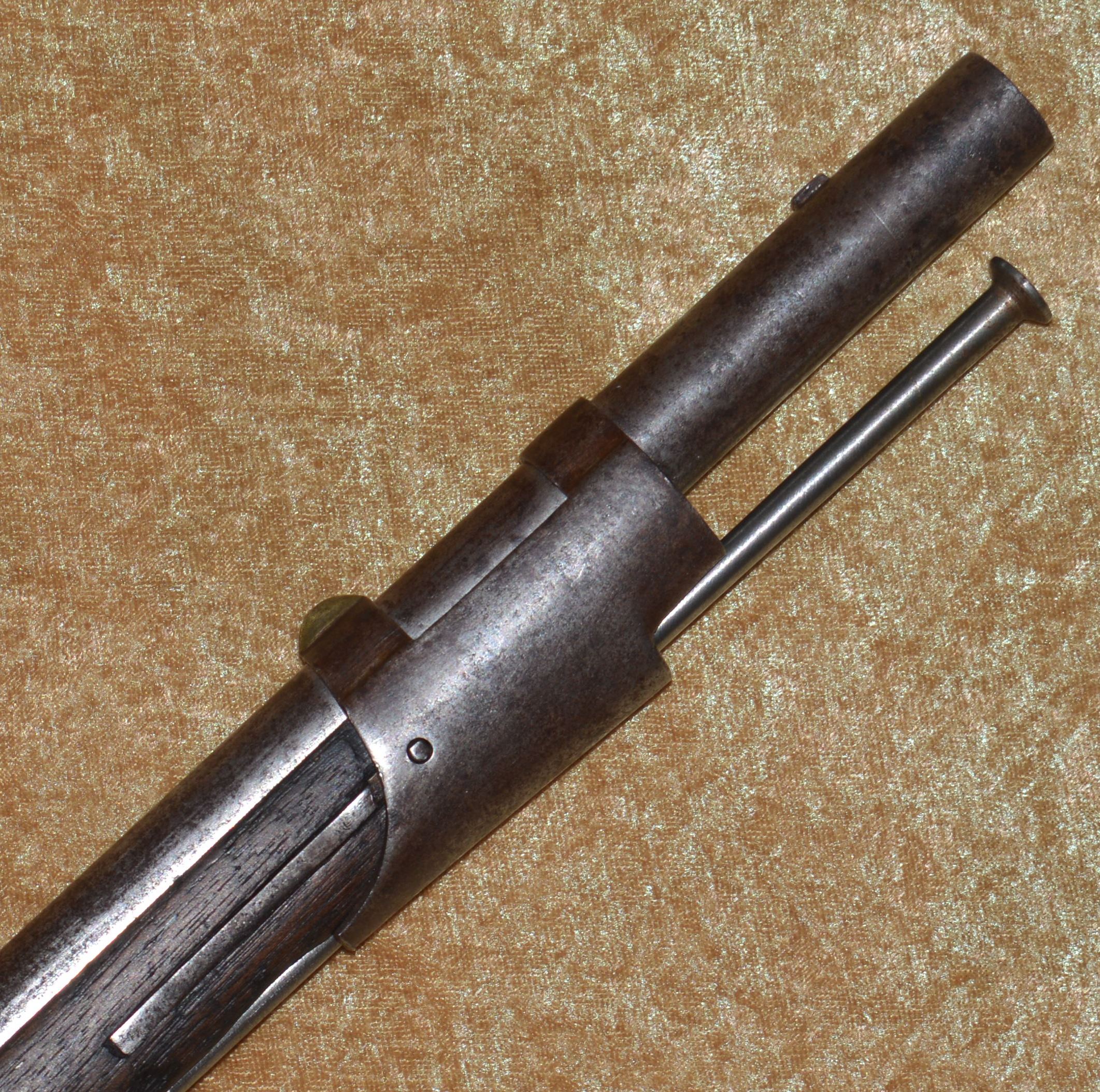
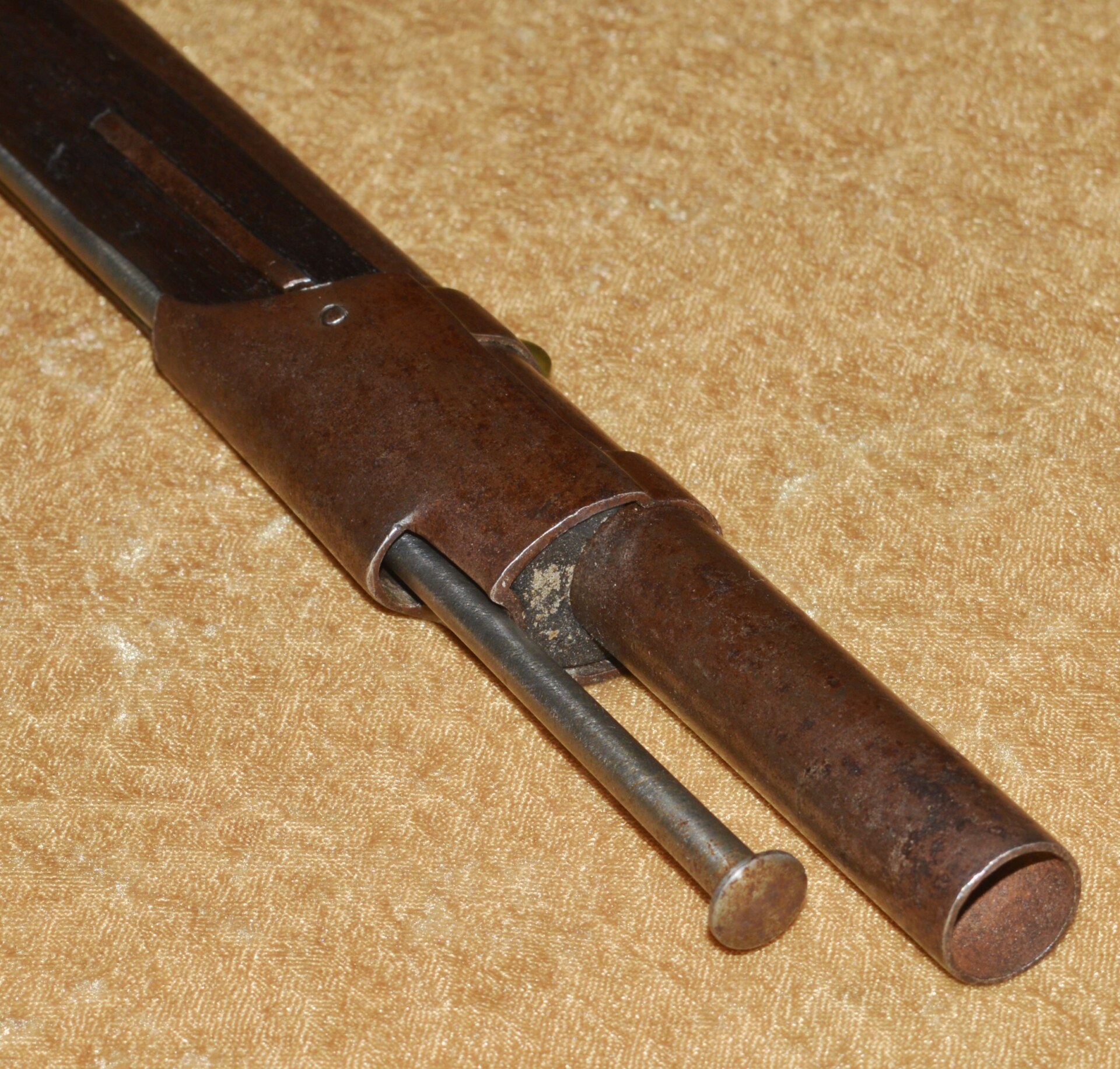
frizzen and spring have been plugged, and the brass pan removed. Tapering 42 3/8″ (3/8″
added during the conversion) round smoothbore barrel of .69 caliber with sides flattened at
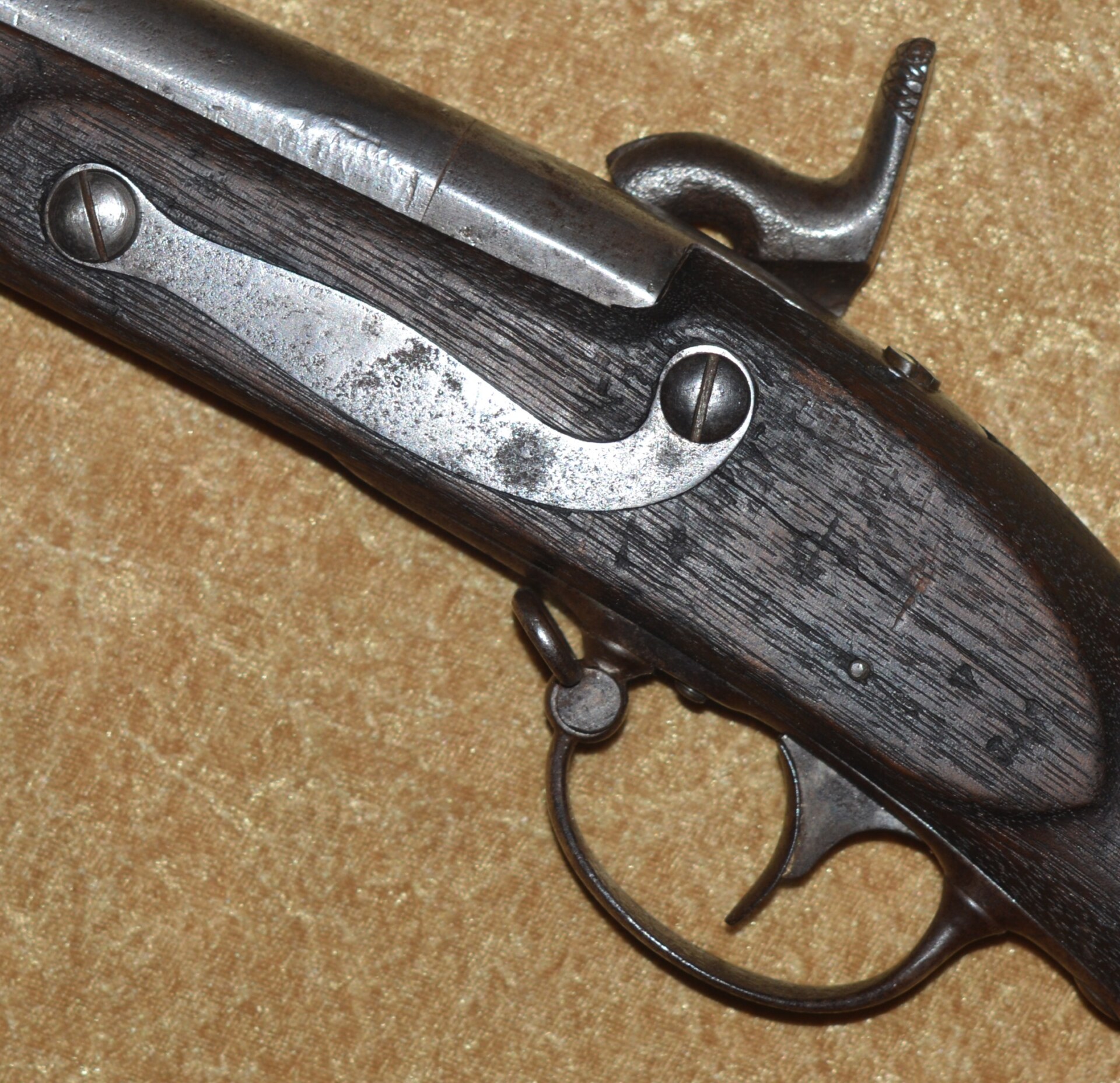
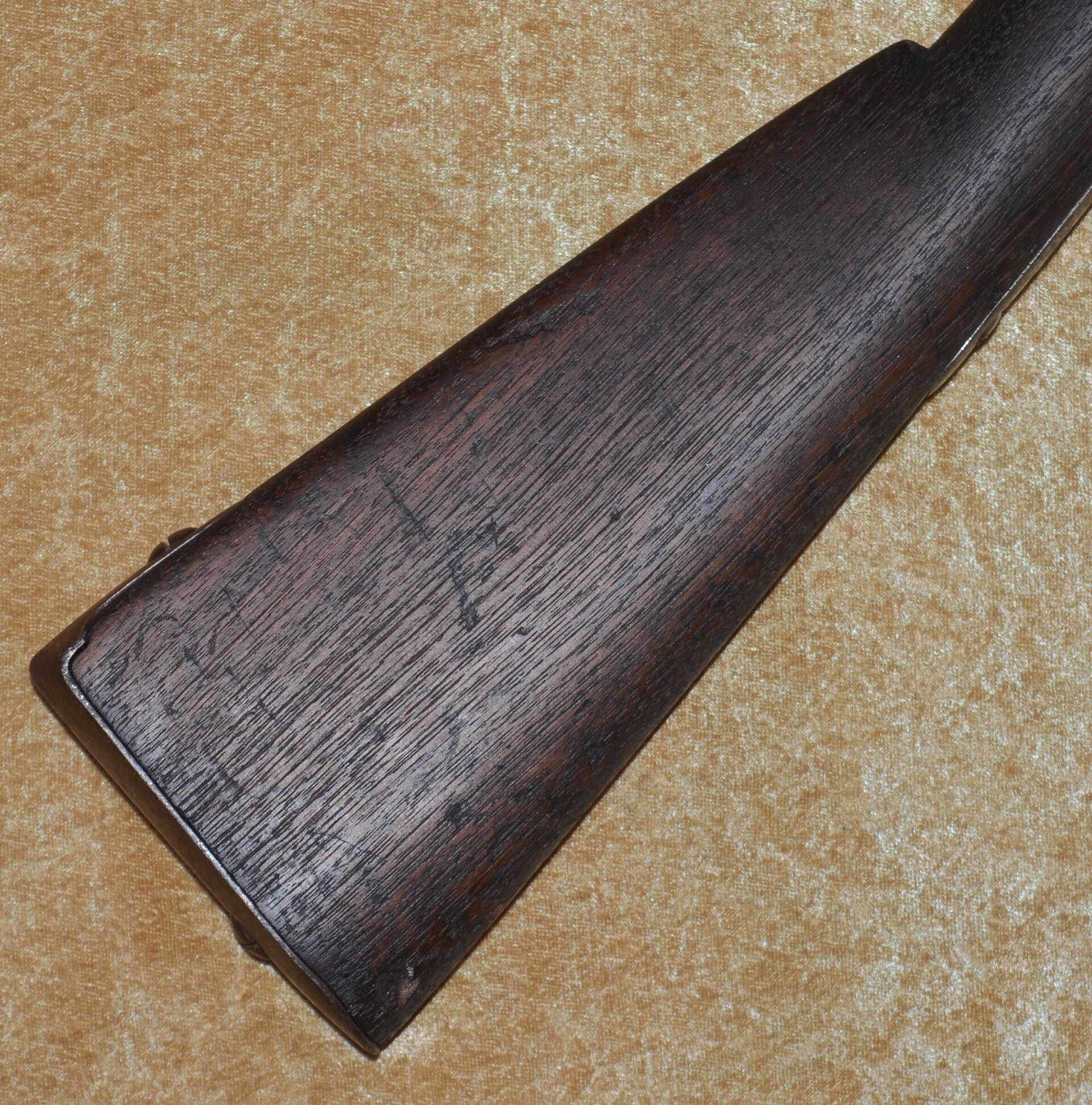
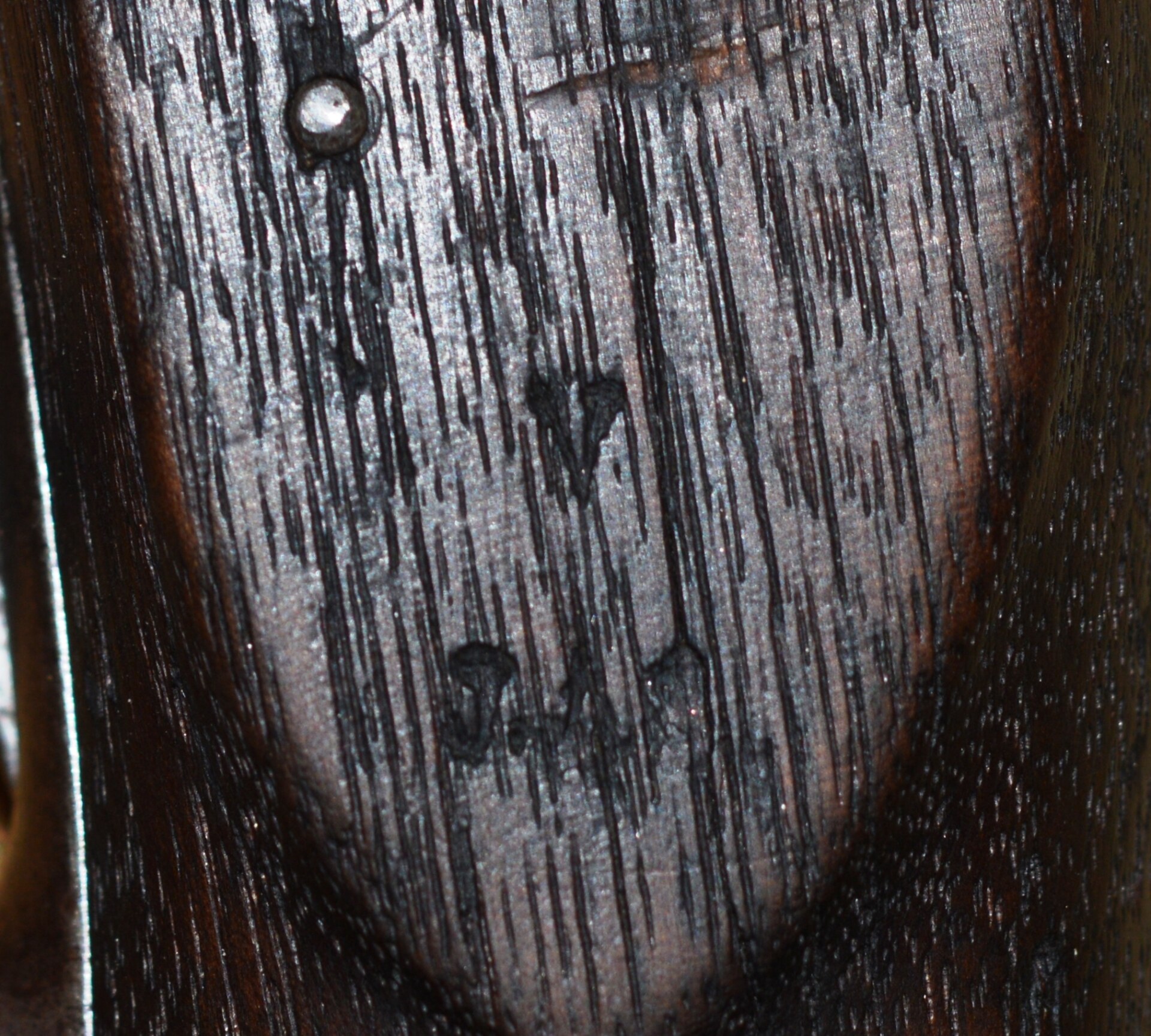
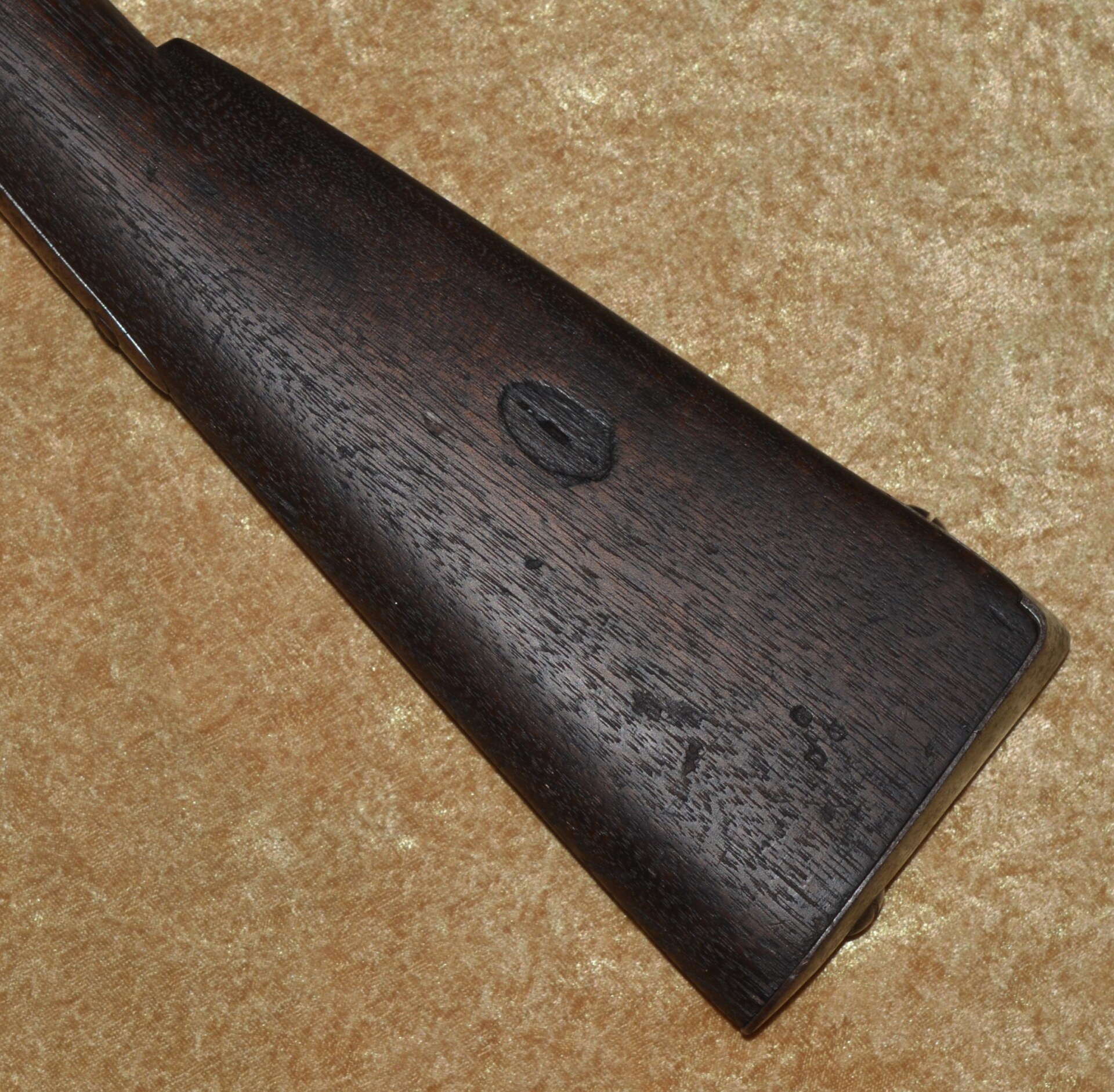
the breech; bayonet lug at the muzzle. Walnut full stock, with inspection stamp on left side
opposite lock; vacant escutcheon mortise on left side of butt. A small comb has been
carved into the butt similar to the M1842, likely done during conversion. Iron mounts,
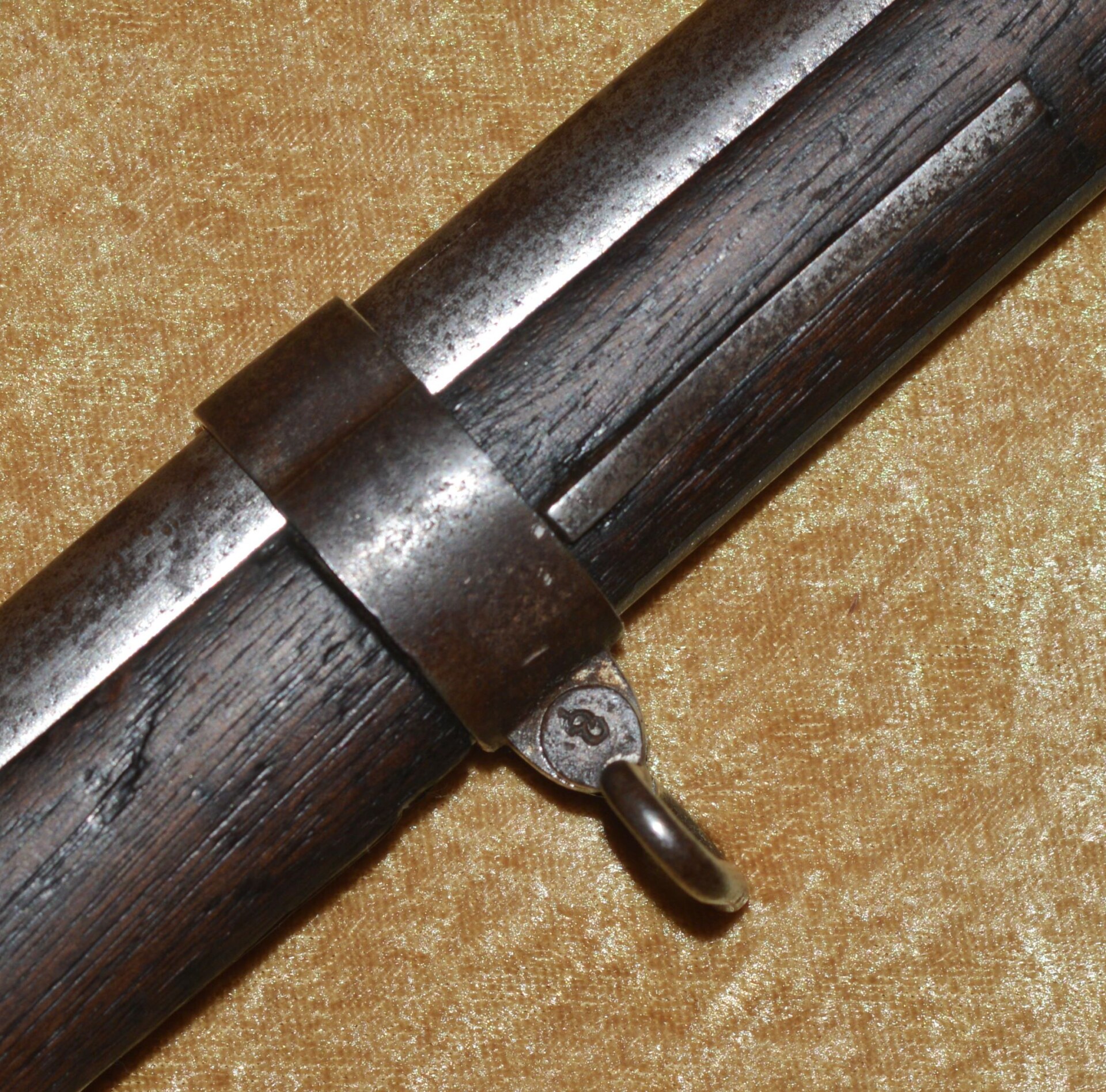
including trigger guard with rounded tang, serpentine side plate, three barrel bands secured
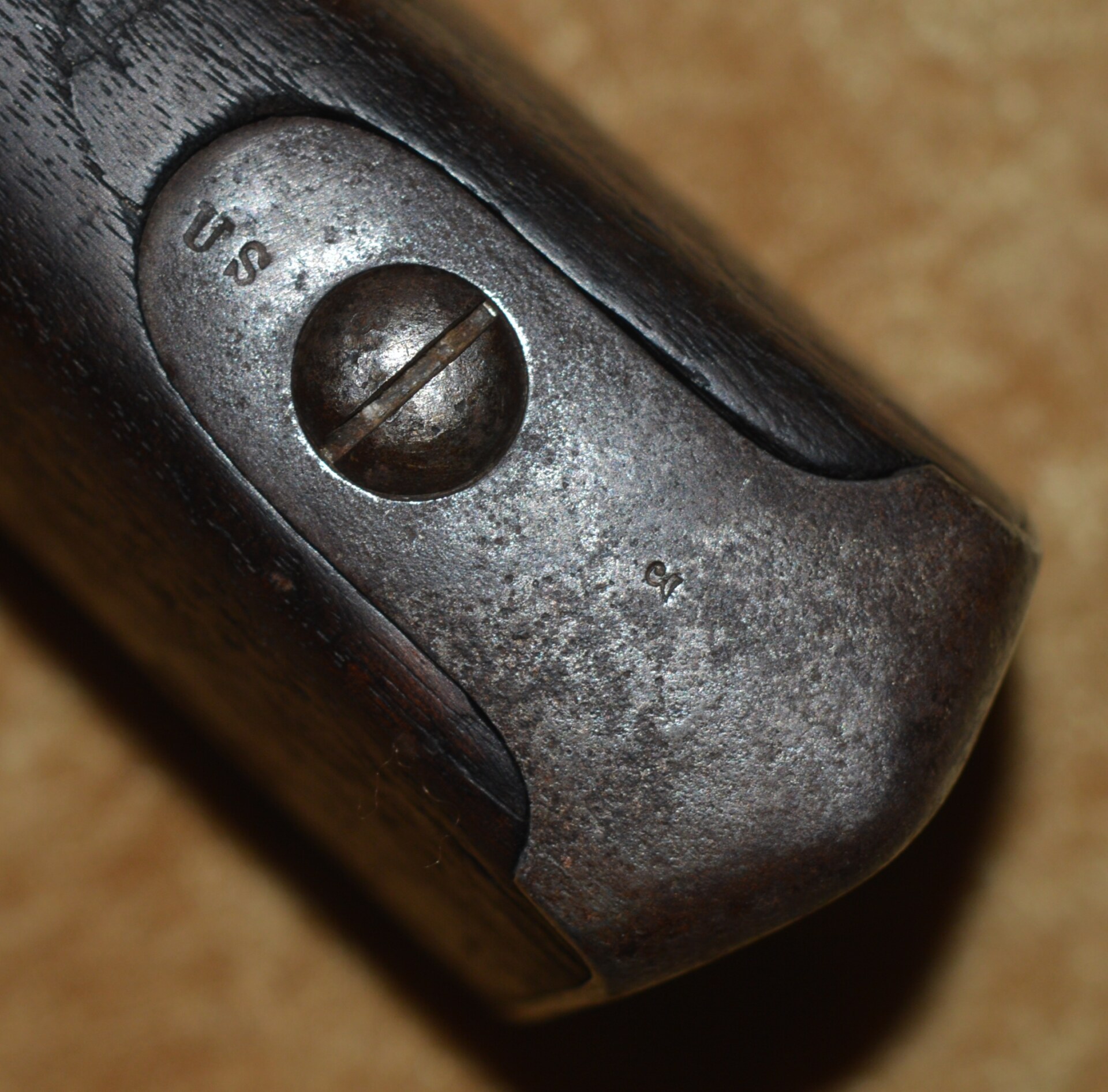
by springs, button-tipped ramrod, and butt plate with tang stamped “US”. Sling swivels at
the front of the trigger bow and on the middle band; blade sight on the front band. Very
good condition, the metal cleaned over light to moderate pitting (heavier at the breech).
Stock sound, with minimal handling marks. Mechanically excellent, with strong mainspring.
Overall length 58″. These percussion conversion muskets were widely used by both sides
during the early months of the Civil War, and continued in use by the Confederacy
throughout the war due to arms shortages.
 Maratha (Indian) Firangi Sword, 18th C
 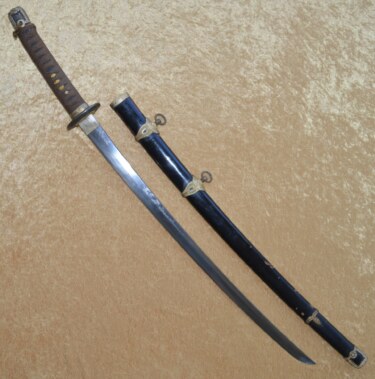 Signed and Dated Japanese WWII Naval Officer’s Kai Gunto Katana
 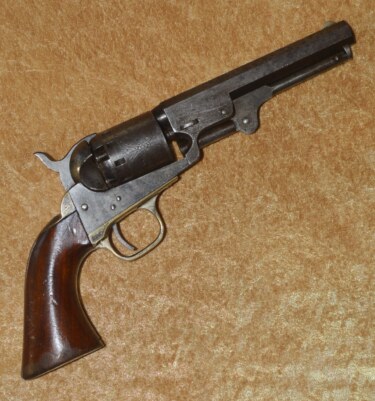 Manhattan Series II Navy Percussion Revolver
 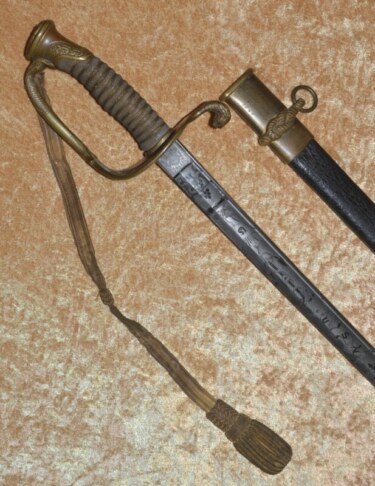 Fine Presentation Civil War M1852 Naval Officer’s Sword