
Description
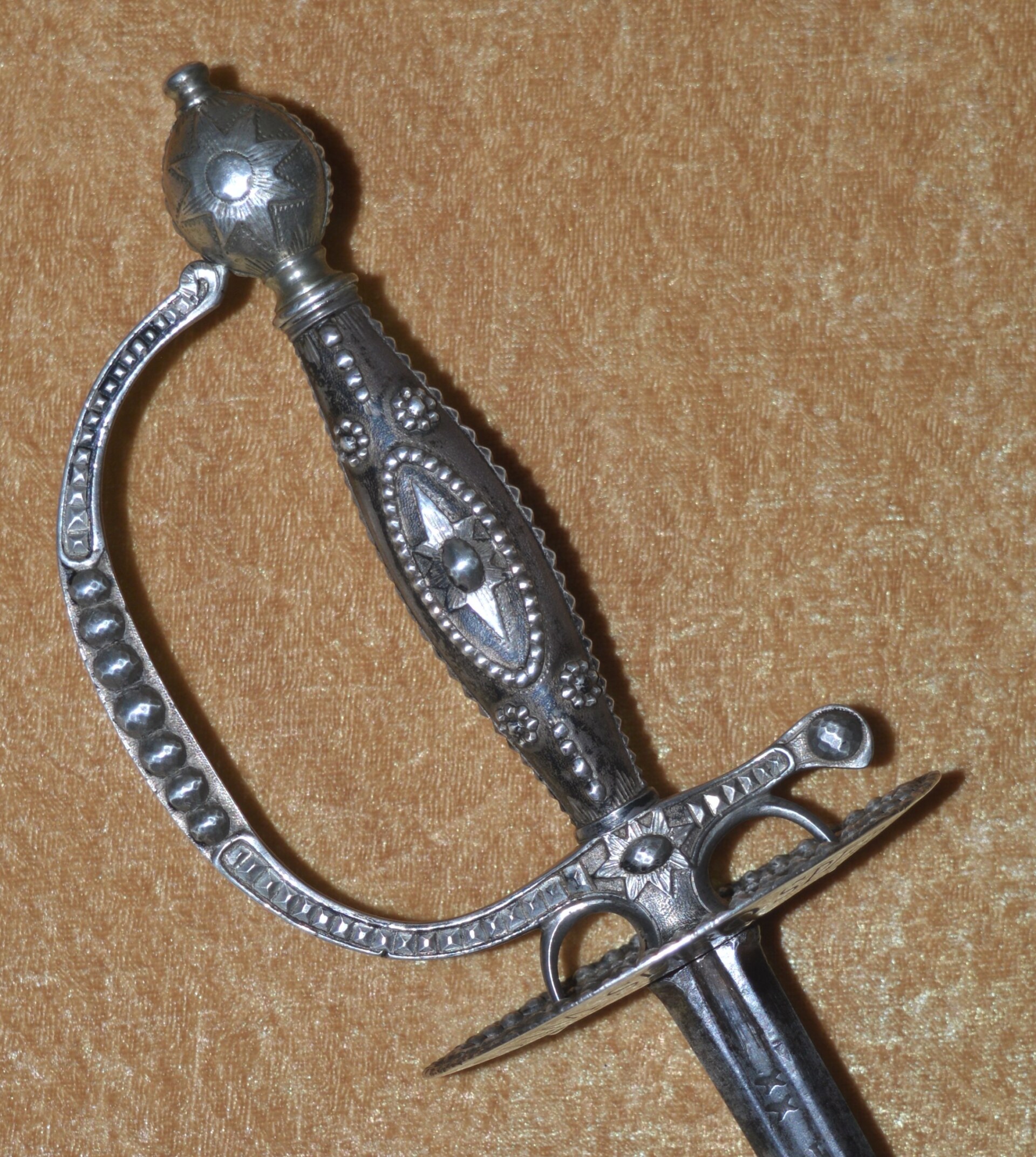
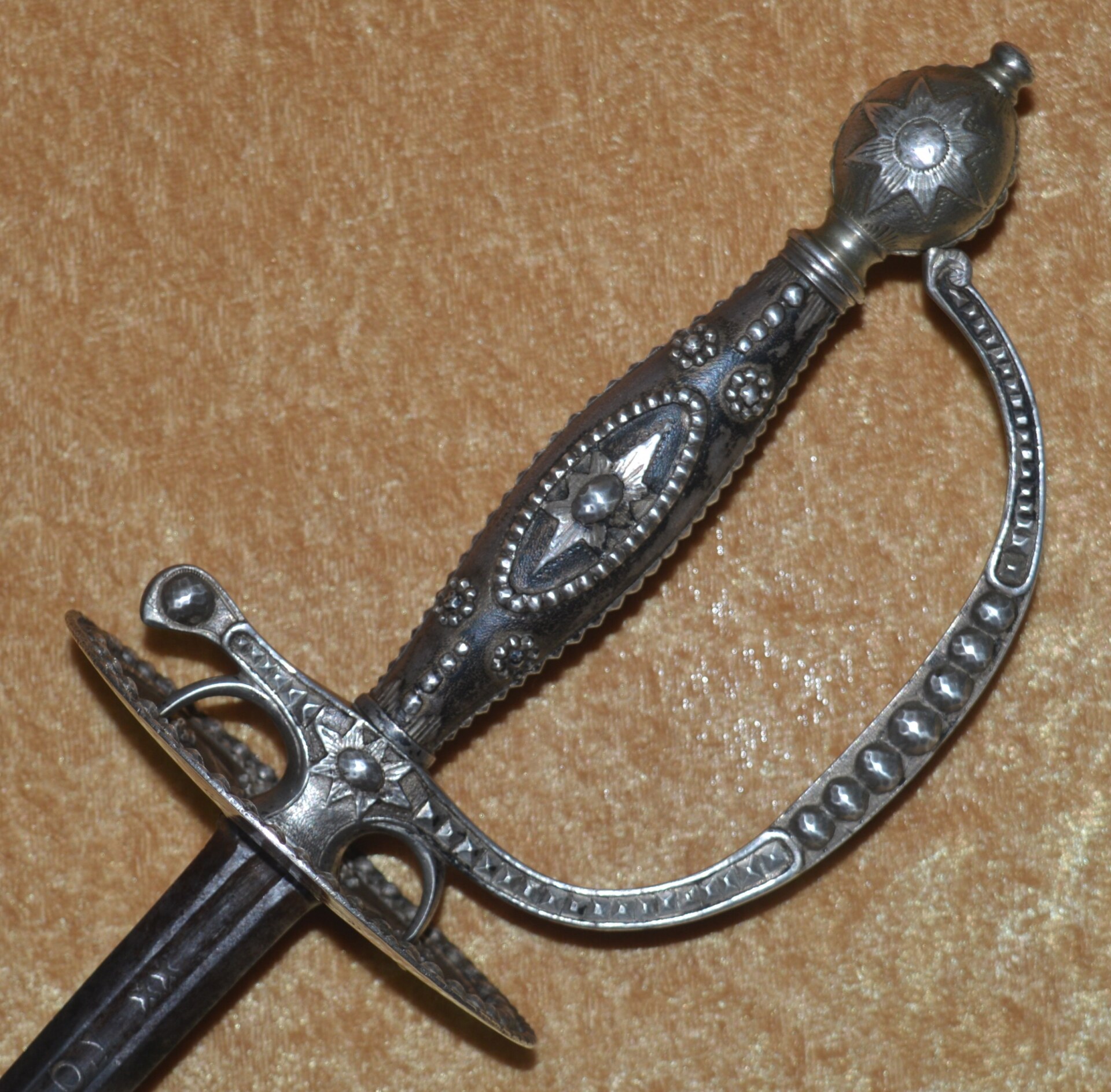
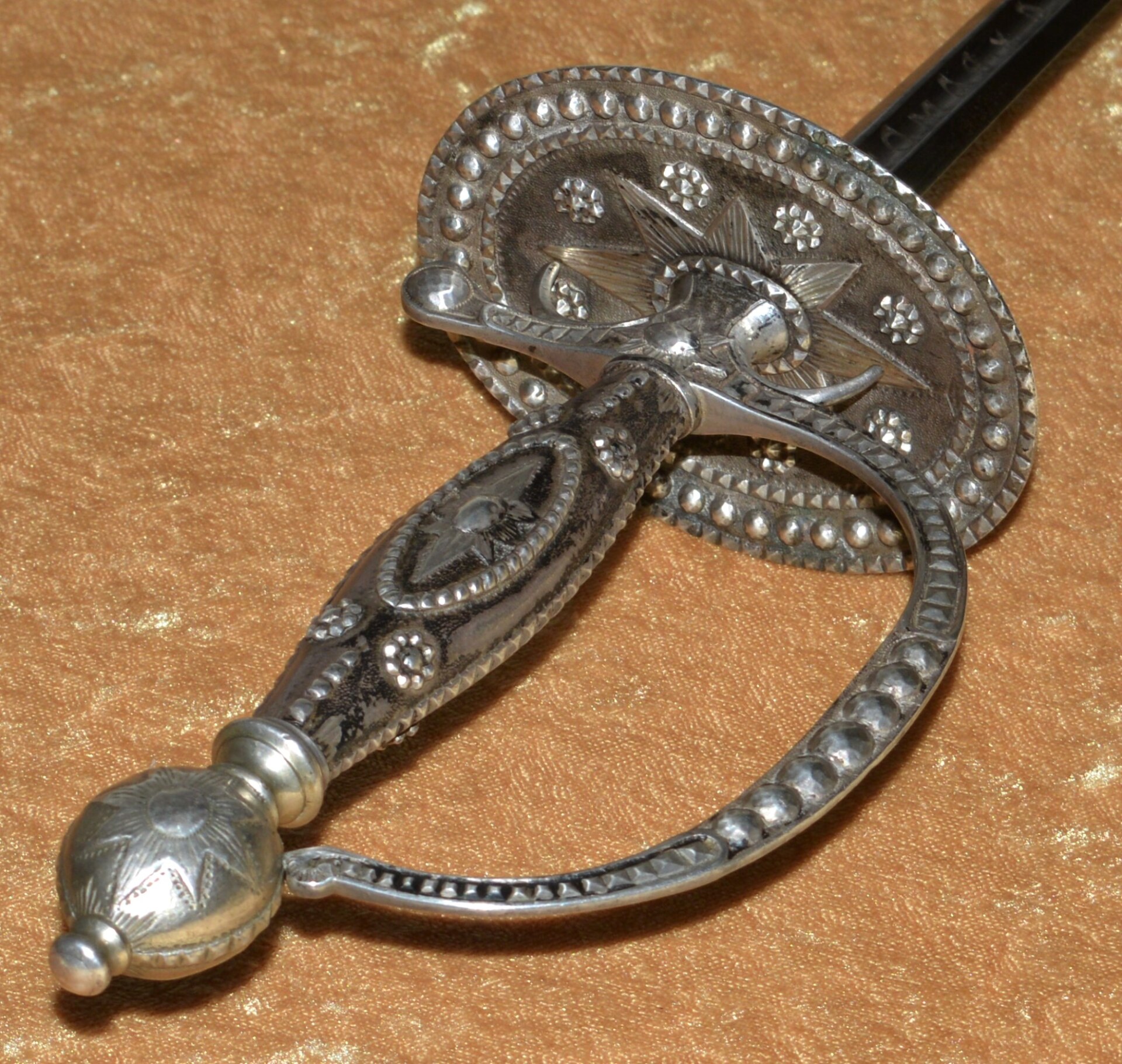
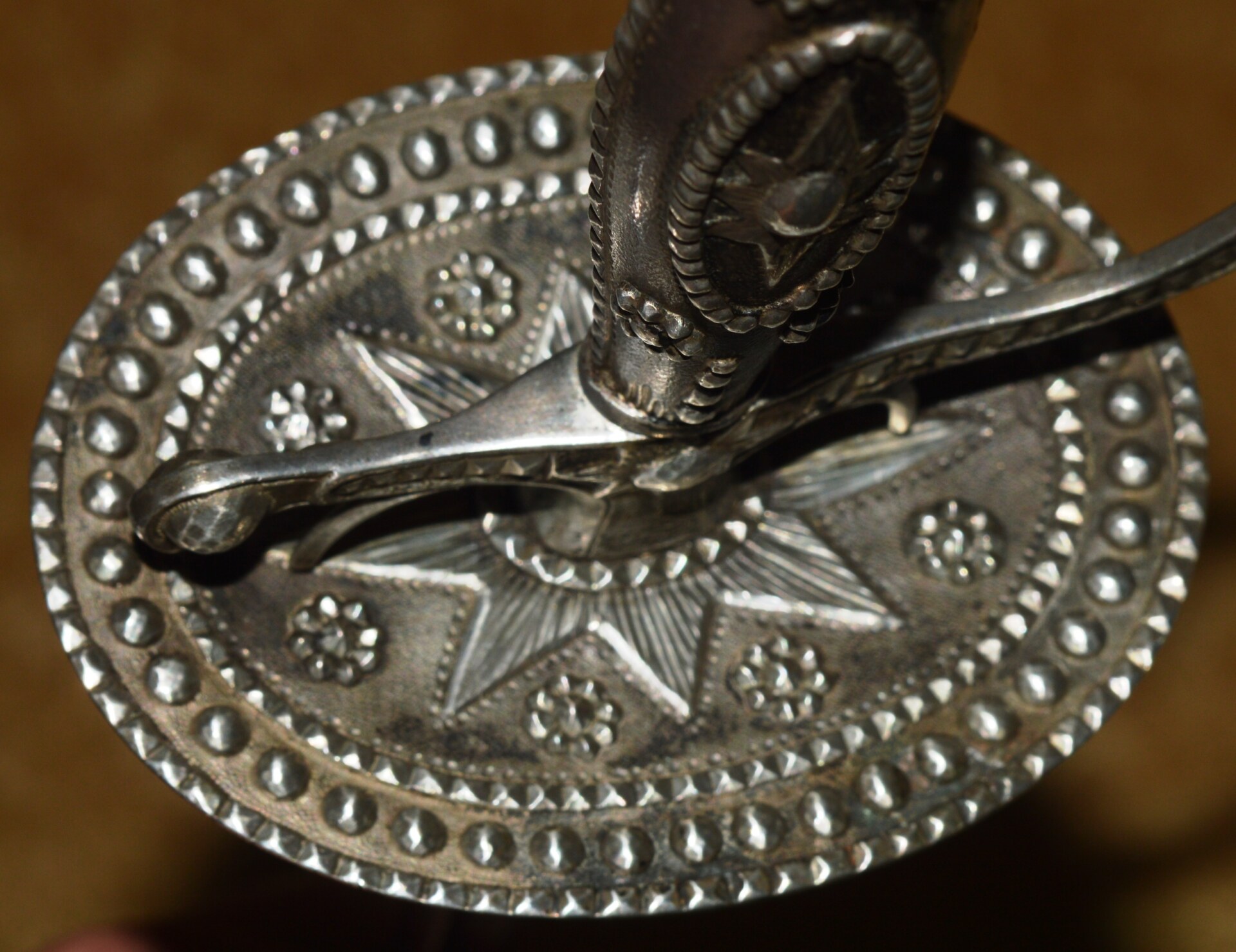
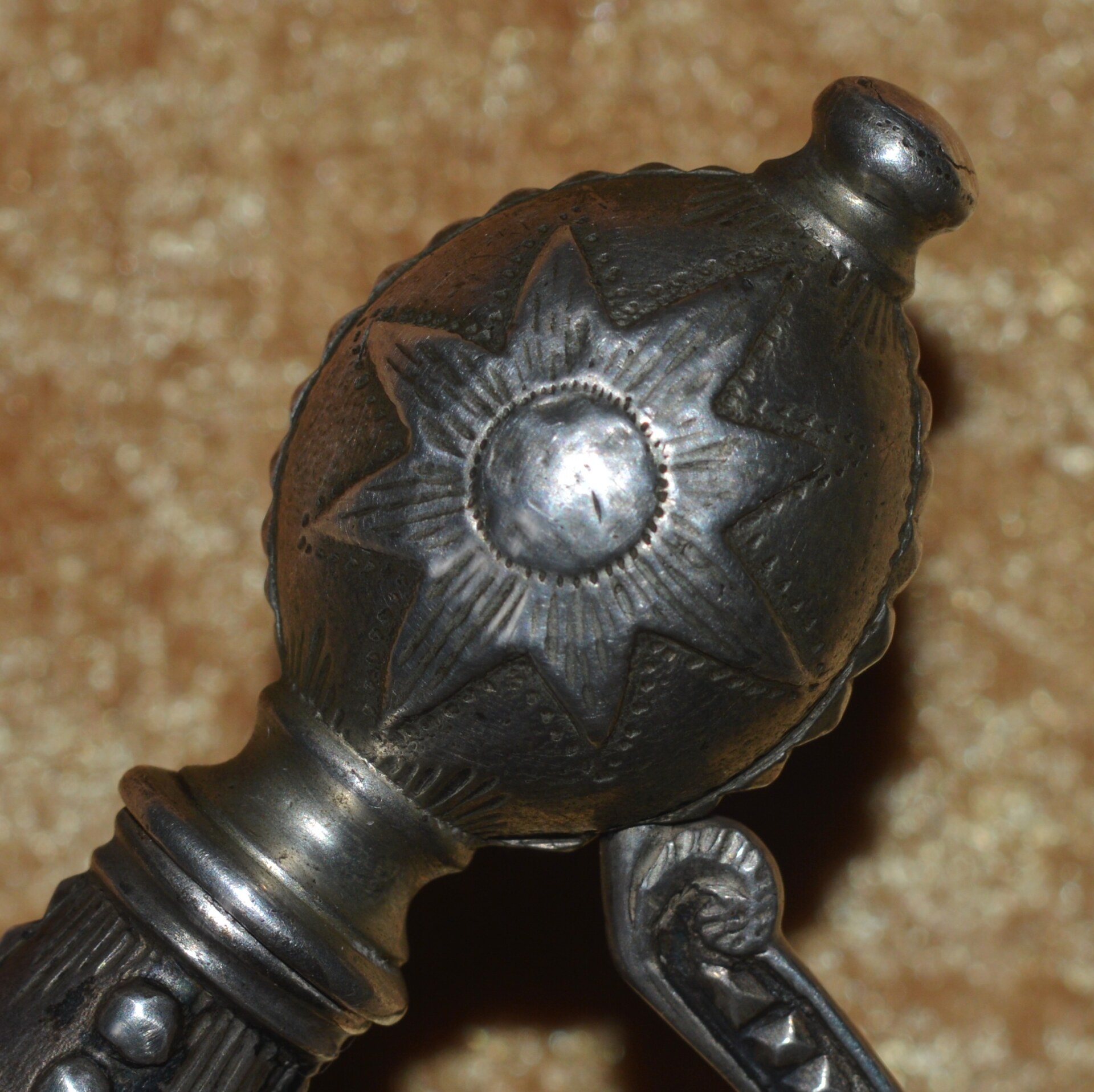
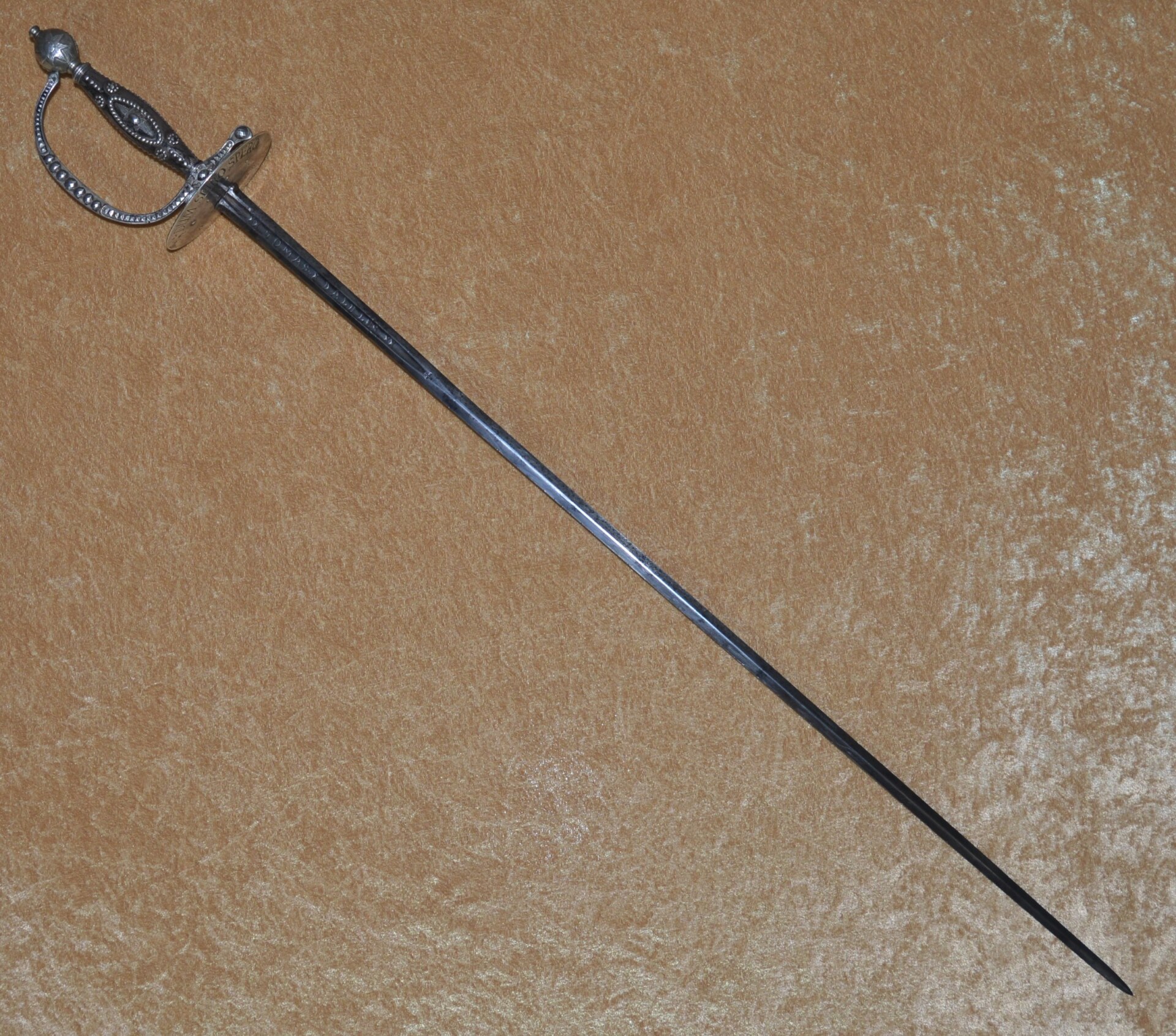
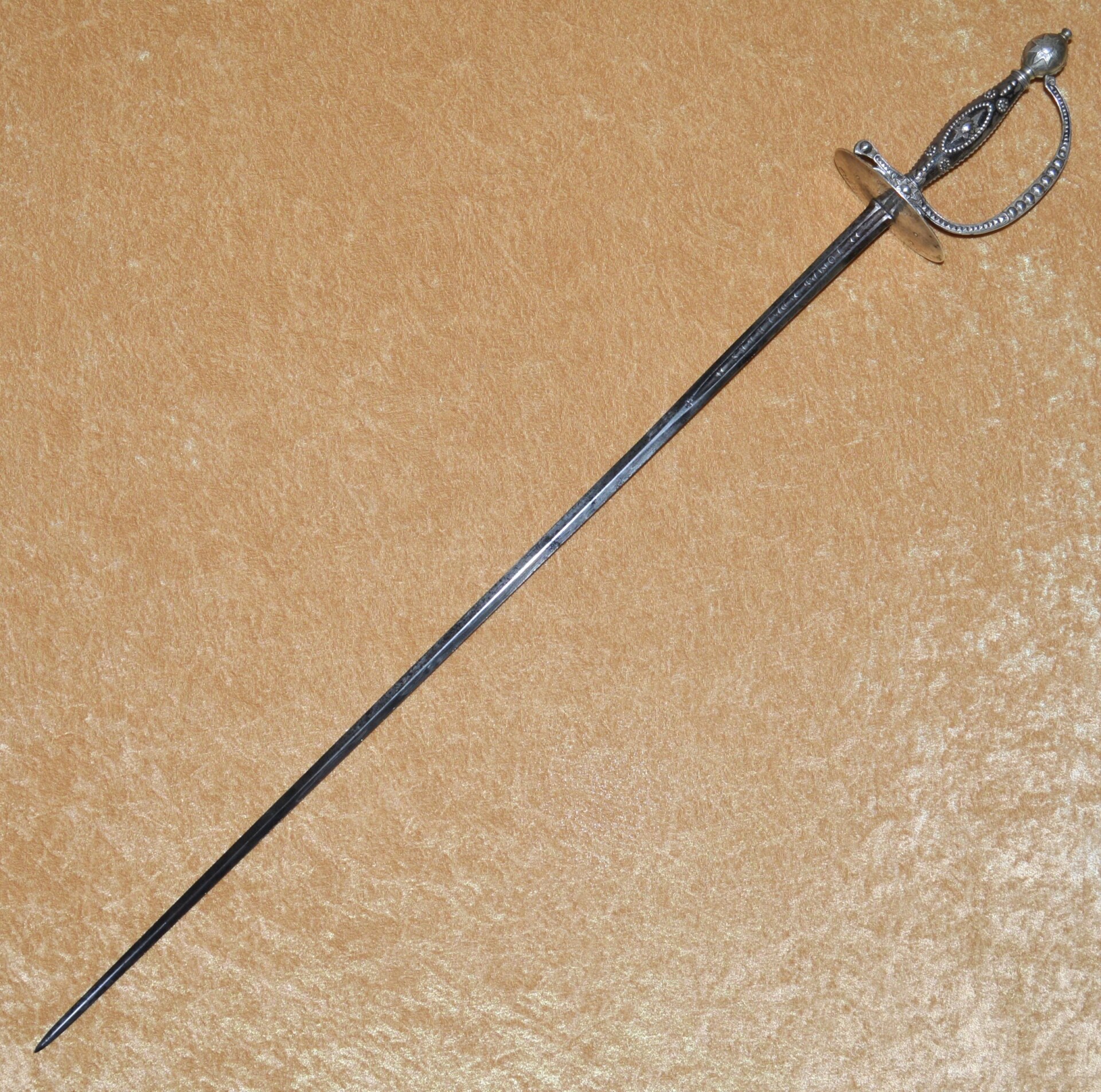
Featuring solid silver hilt, comprising oval disc guard, small pas d’ane, reverse quillon, and
knuckle bow connected to the ovoid pommel with tang button. Silver grip with raised star
surrounded by an oval and four rosettes formed of raised dots. The inside of the guard with
central starburst surrounded with rosettes of raised dots and edged bordered with three
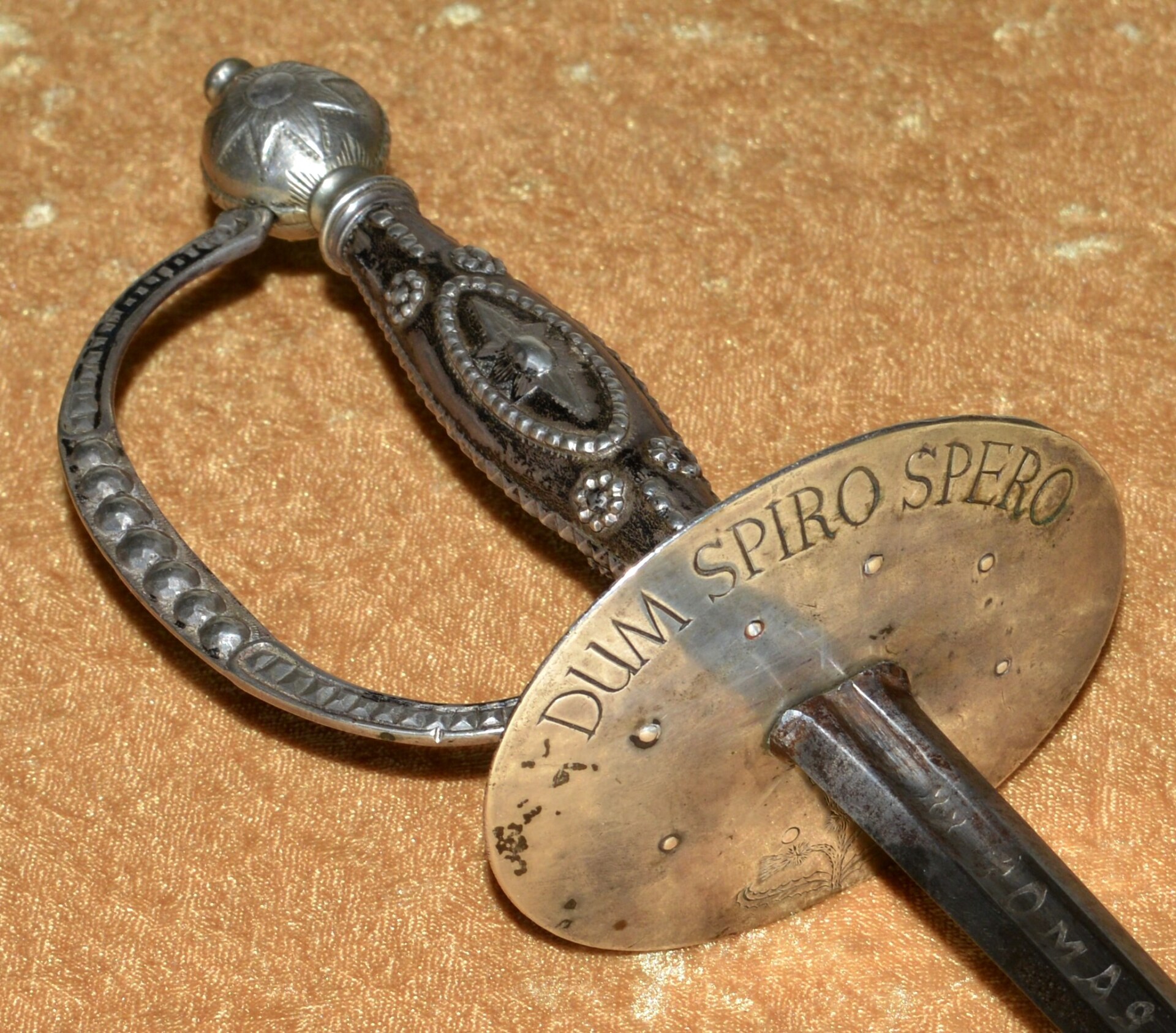
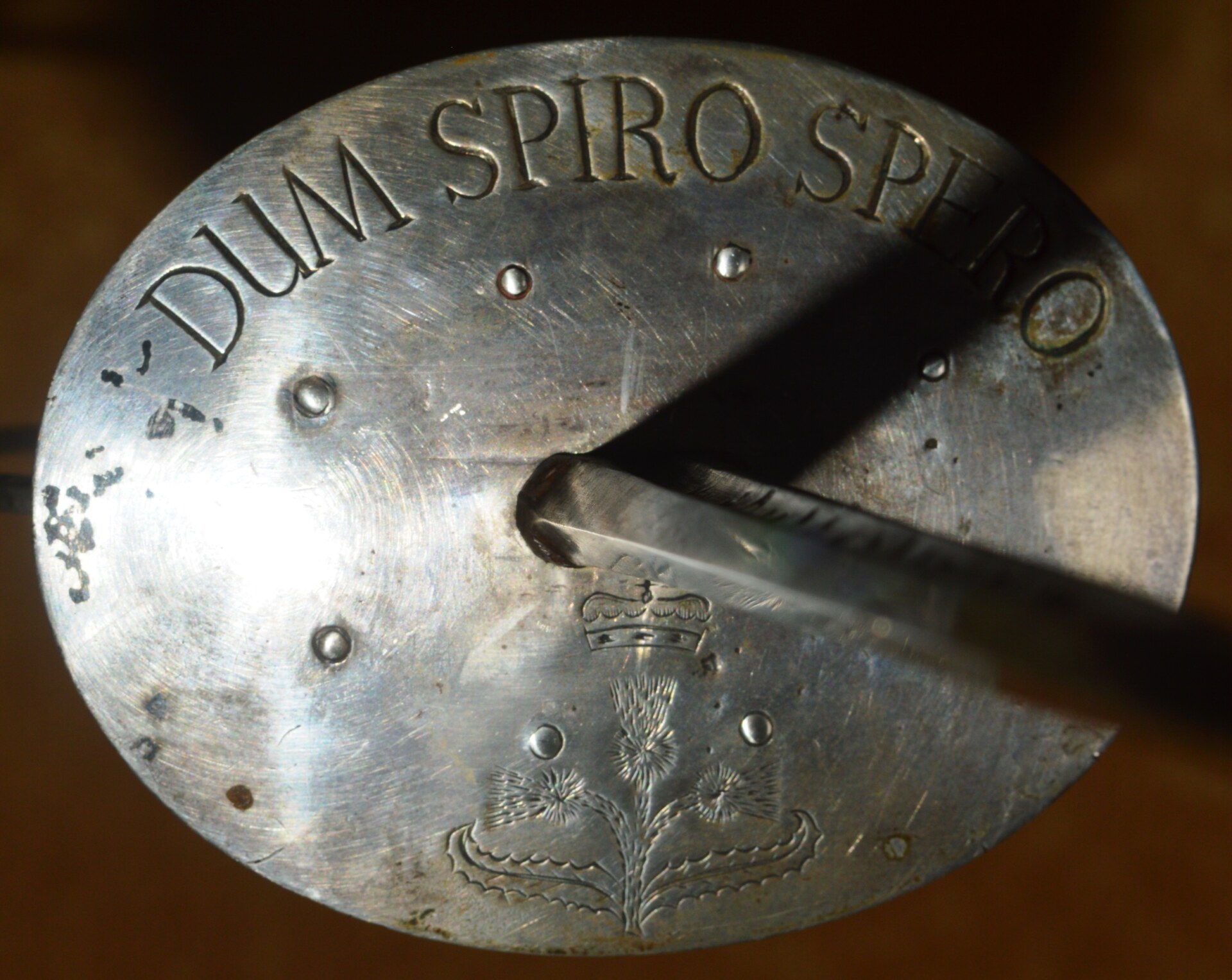
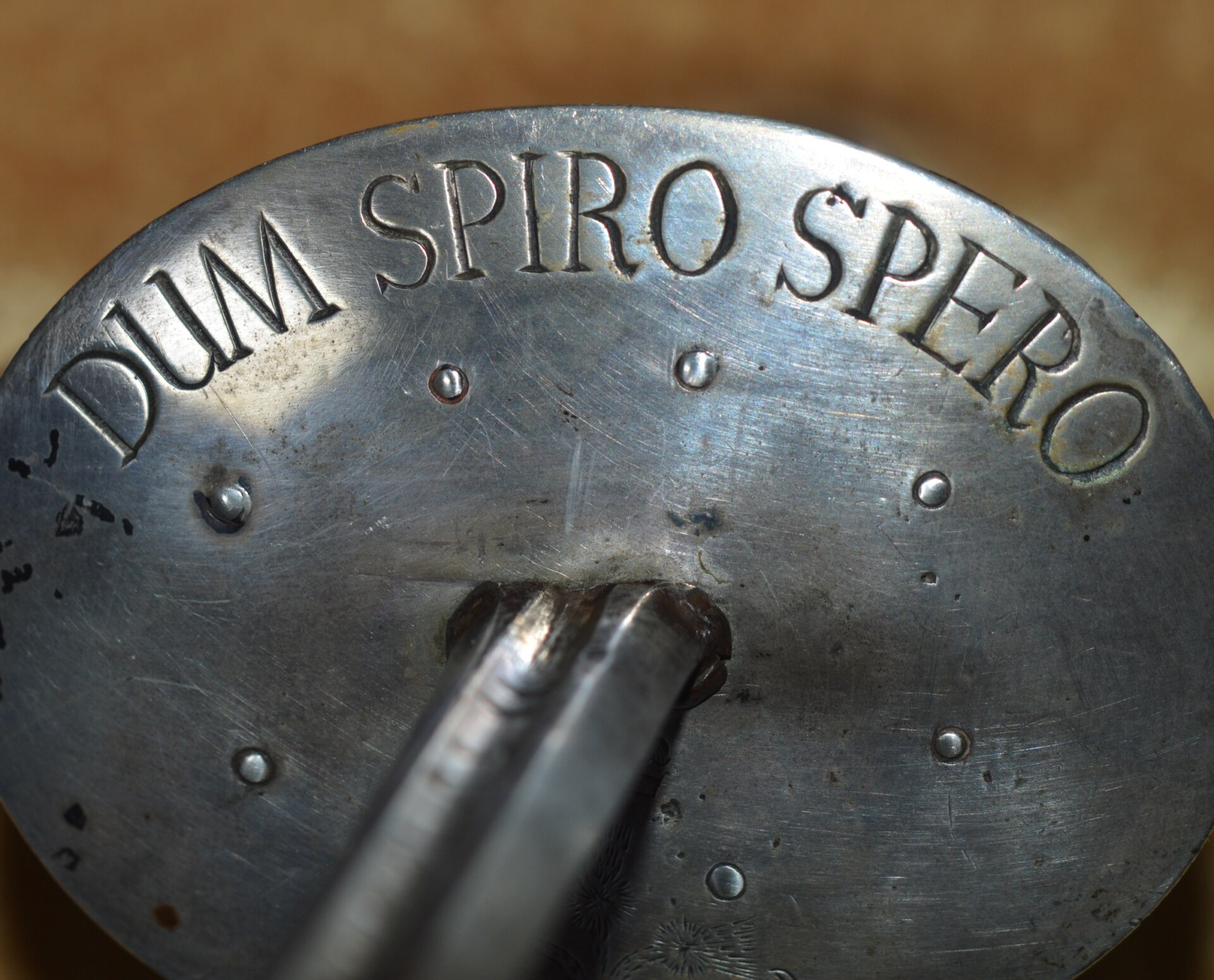
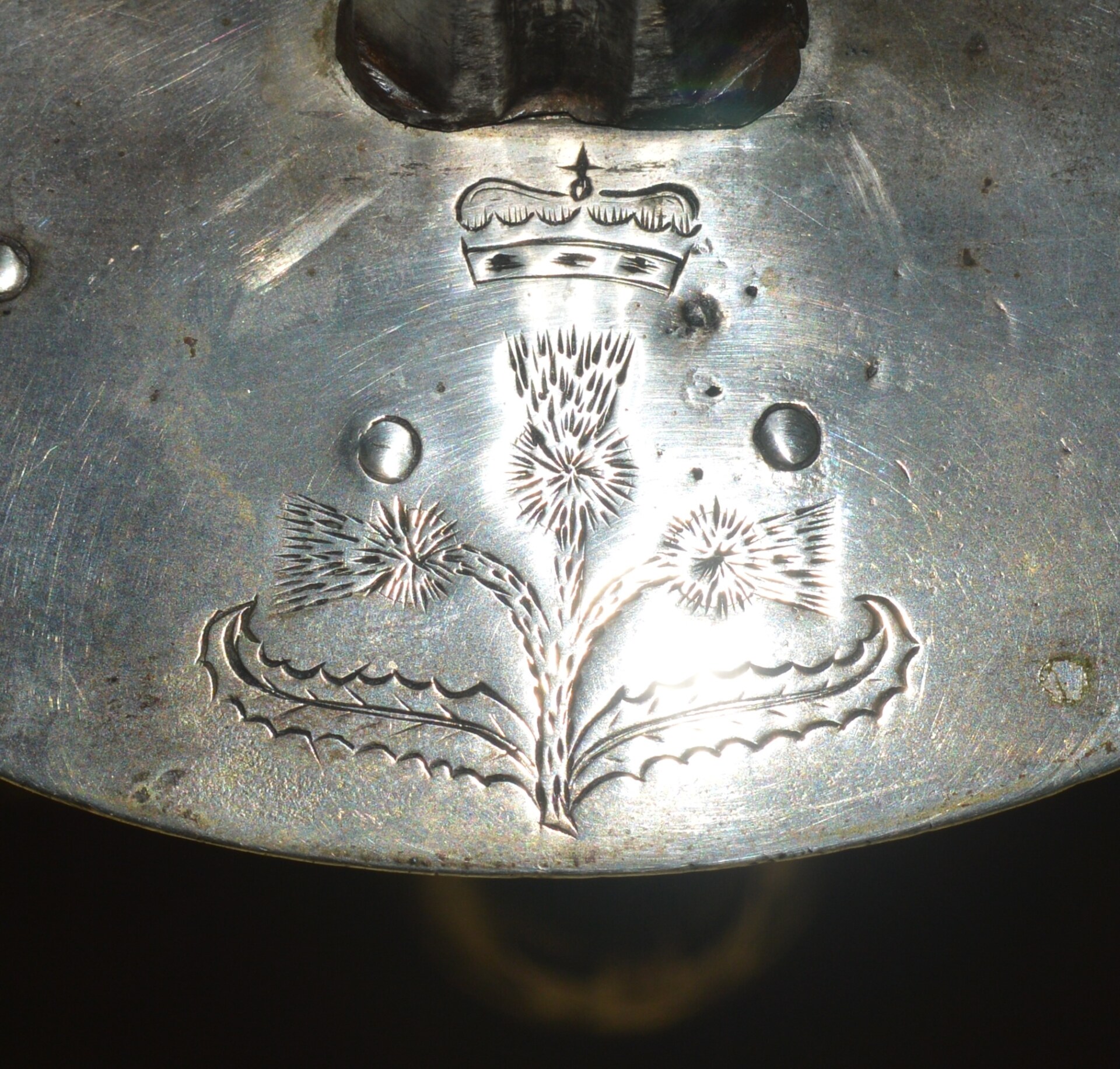
rows of different sized raised dots. Exterior of guard is smooth, bearing a crowned three-
blossomed thistle and the Latin phrase “DUM SPIRO SPERO” (while I breath, I hope), the
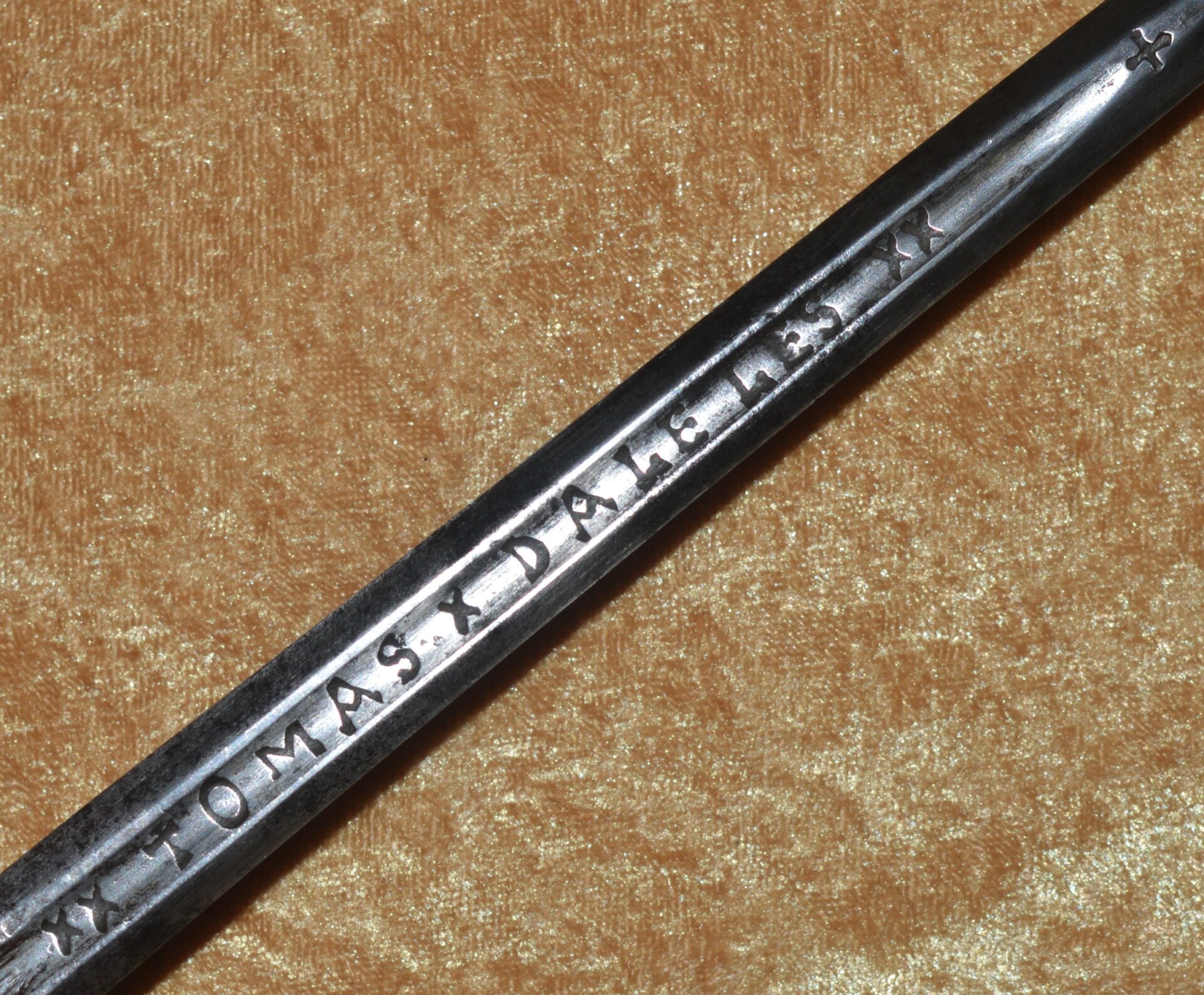
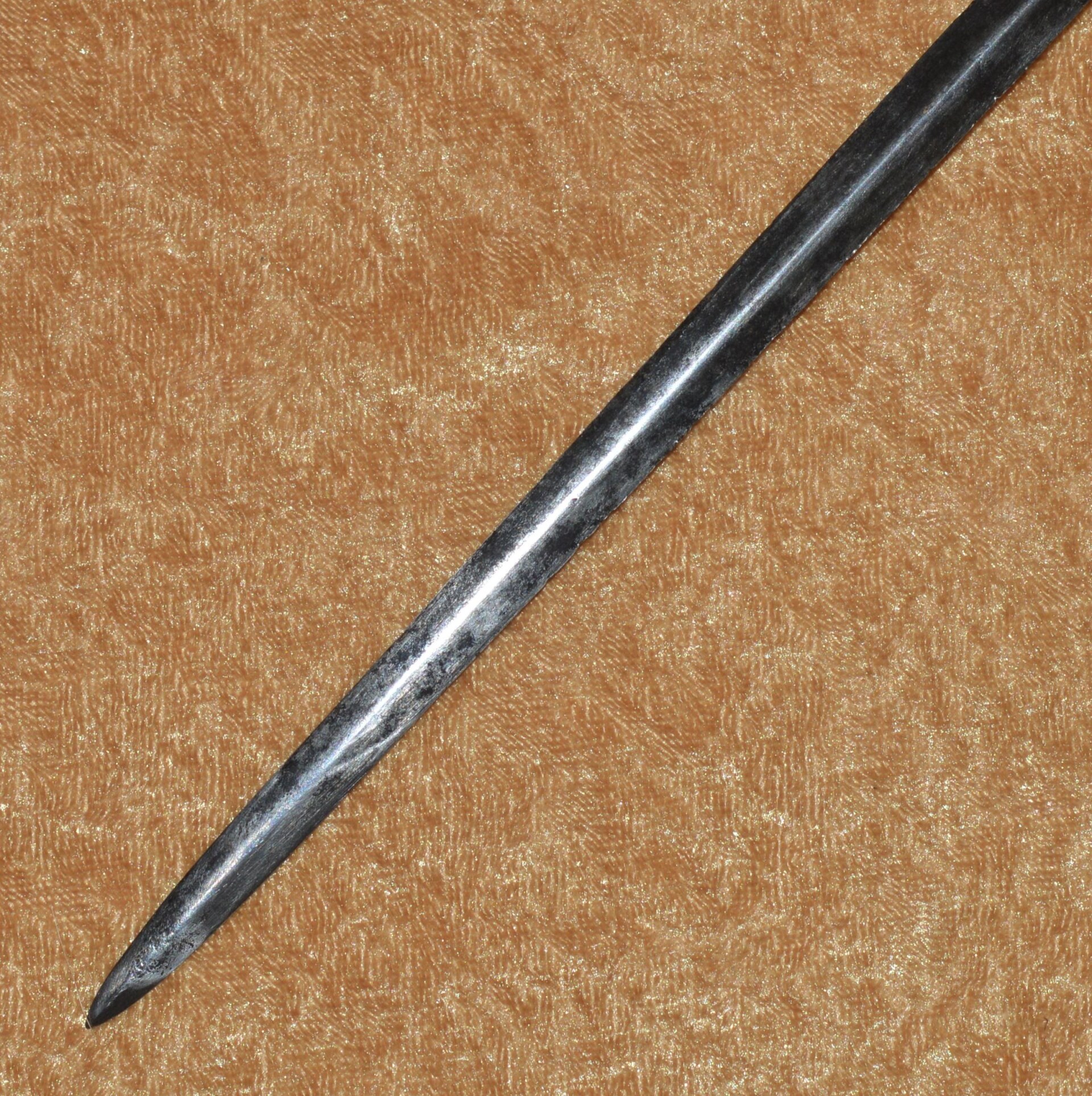
motto of Scottish Clan MacLennan. Earlier 17th Century 28 1/8″ (71.4 cm) blade of diamond
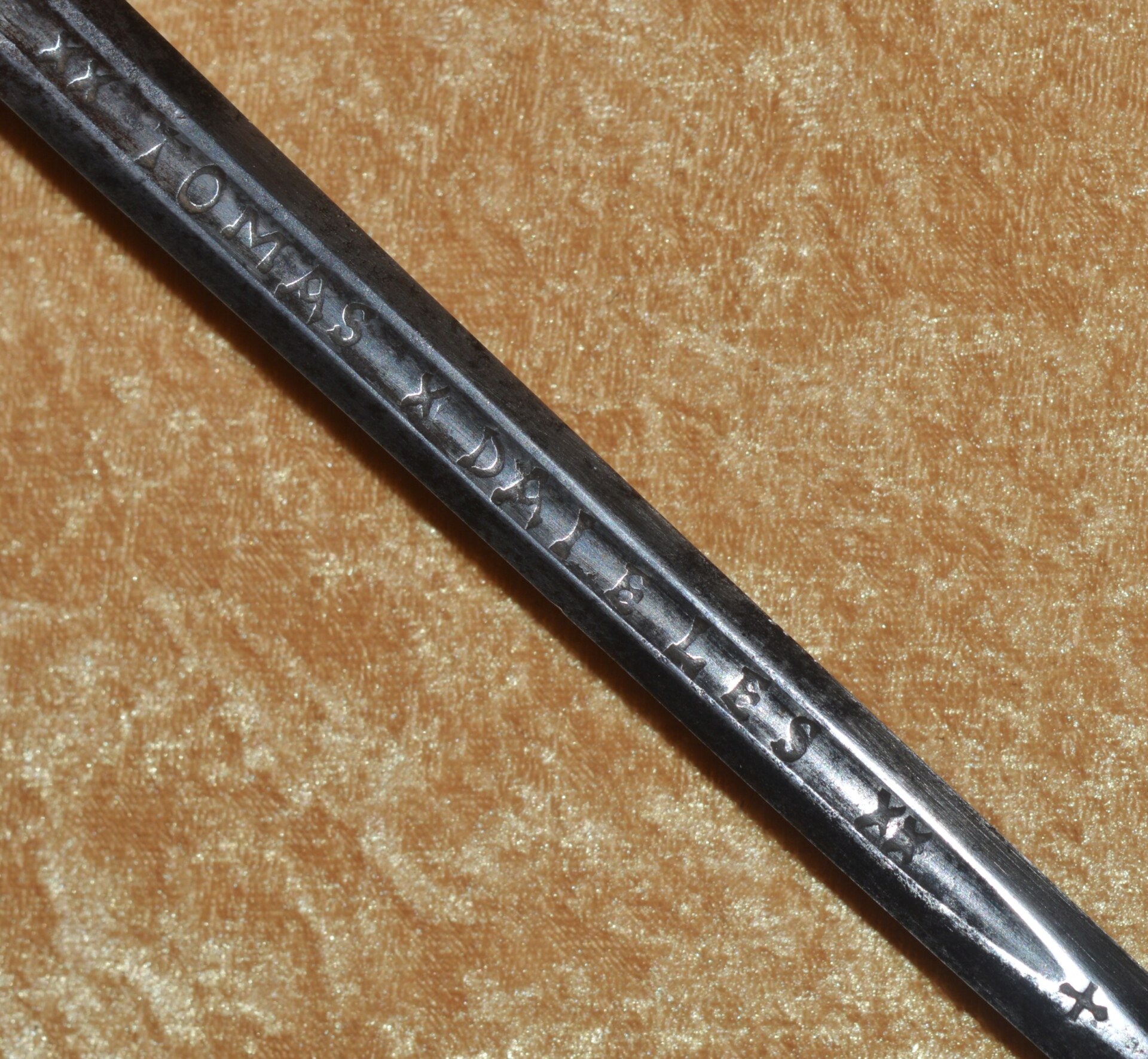
section with central fuller stamped with “XX TOMAS X DAI E LES XX” on one side and
slightly different spelling of the same on the other. This is probably a spurious signature of
famed 16th C Spanish blade smith Tomas de Aiala (Ayala), as his signature was commonly
faked and was represented in various spellings. Blade likely shortened to match this hilt.
Clan MacLennan has its Celtic origins in Ireland and settled primarily in the Western
Highlands. They were in residence at the famous castle Eilean Donnan in the 13th Century.
Not a particularly lucky clan, they seemed to have been on the wrong side of most of the
conflicts they participated in. They suffered heavy casualties at the Battle of Auldearn in
1645 when the Covenanters were defeated by a smaller force of Royalists. Eighteen Clan
captains died in the battle, as well as Clan Chief Rory Ban and brothers Donald and
Duncan. Many of the widows married into Clan MacRae, further diluting the bloodline. A
century later, the Clan was still so depleted that only twelve members were at Culloden, and
eleven were recorded as having been taken prisoner. After the battle, many Clan members
emigrated to the United States and New Zealand. McLennan County, Texas was where
many of them settled. The Clan did not have a recognized Chief for over 300 years, until
Ronald George MacLennan was recognized as Chief in 1977. The Clan motto is a
reflection of their resilience after centuries of hardship and loss.
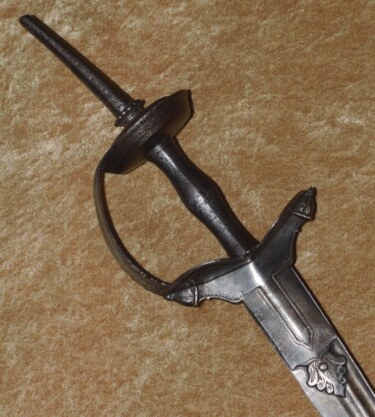 Maratha (Indian) Firangi Sword, 17th/18th C
 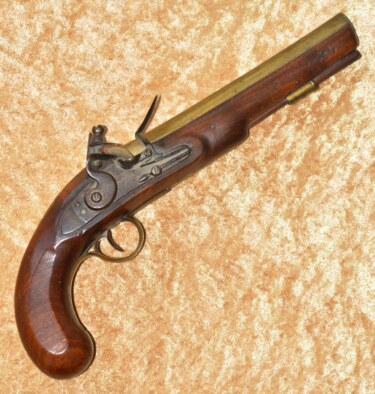 English Brass Barrel Flintlock Pistol, Late 18th C
 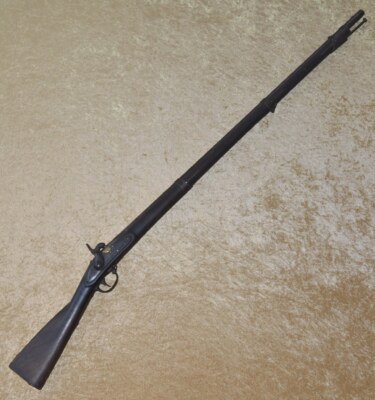 US Whitney 1822 Contract Percussion Conversion Musket
 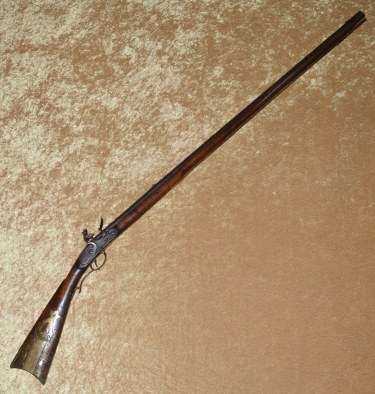 Flintlock Kentucky Long Rifle, ca. 1830