
Description
Greek Fire was one of the most significant military inventions in history and its use saved
the Byzantine Empire for centuries from Arab attacks. The exact formula for this
flammable liquid remains a secret to this day. Purportedly invented in the 7th C by
Kallinikos of Heliopolis, a Jewish architect who fled Syria after an Arab attack on his home
city and later settled in Constantinople, he also invented the complex system which
propelled the liquid across long distances. It was first used at sea where it was particularly
effective against wooden ships, as it could not be put out by water. It was later delivered
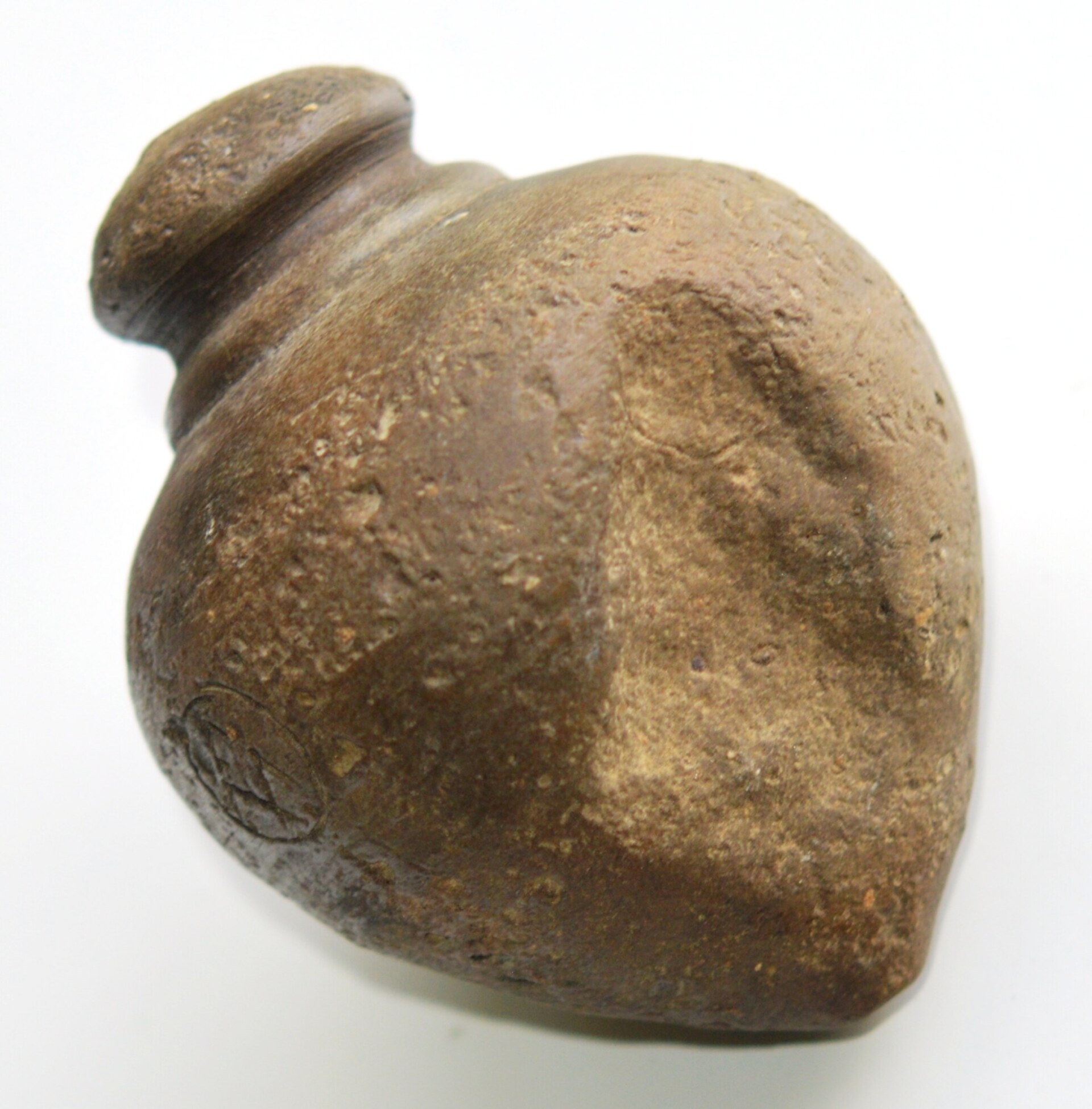
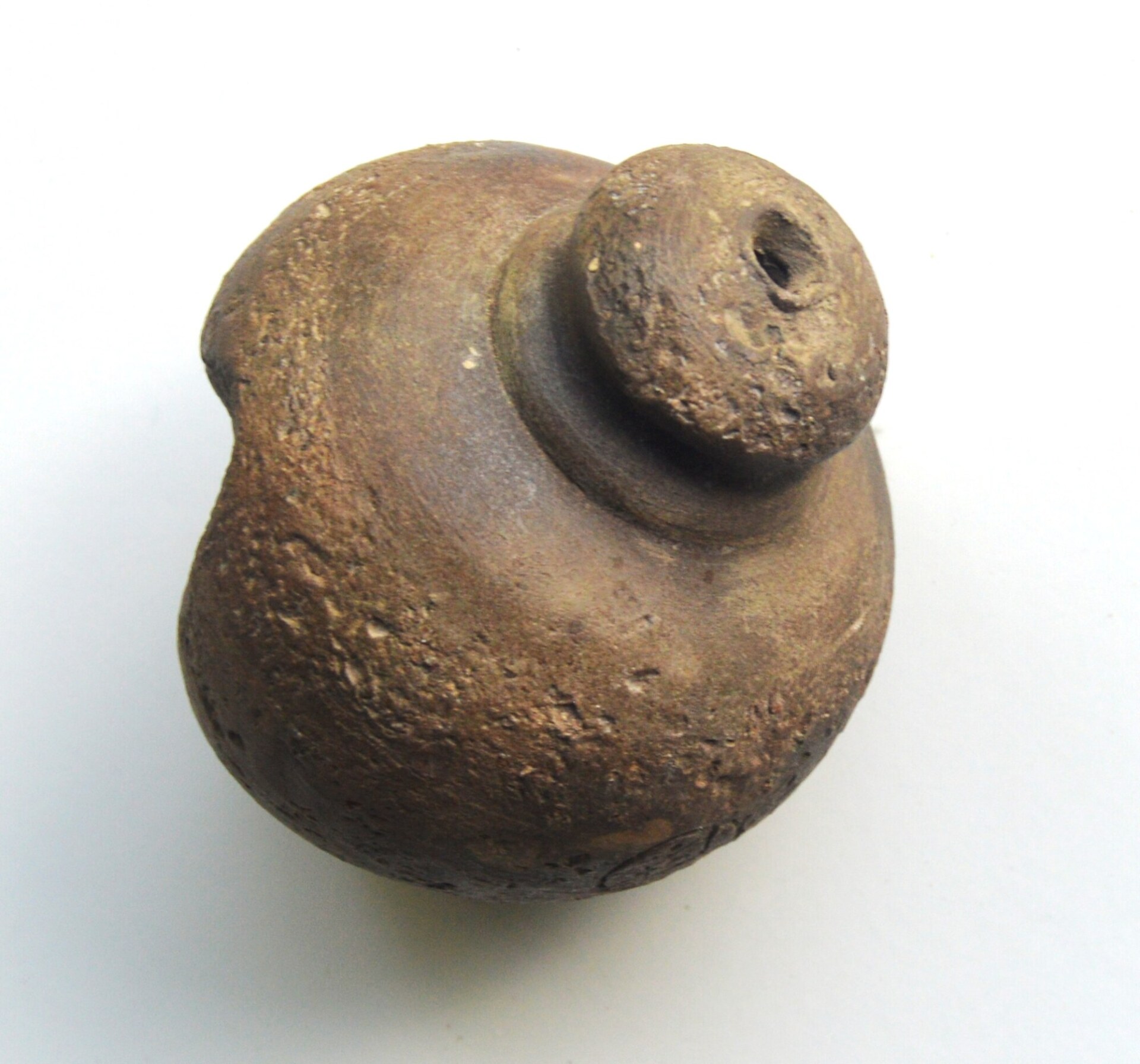
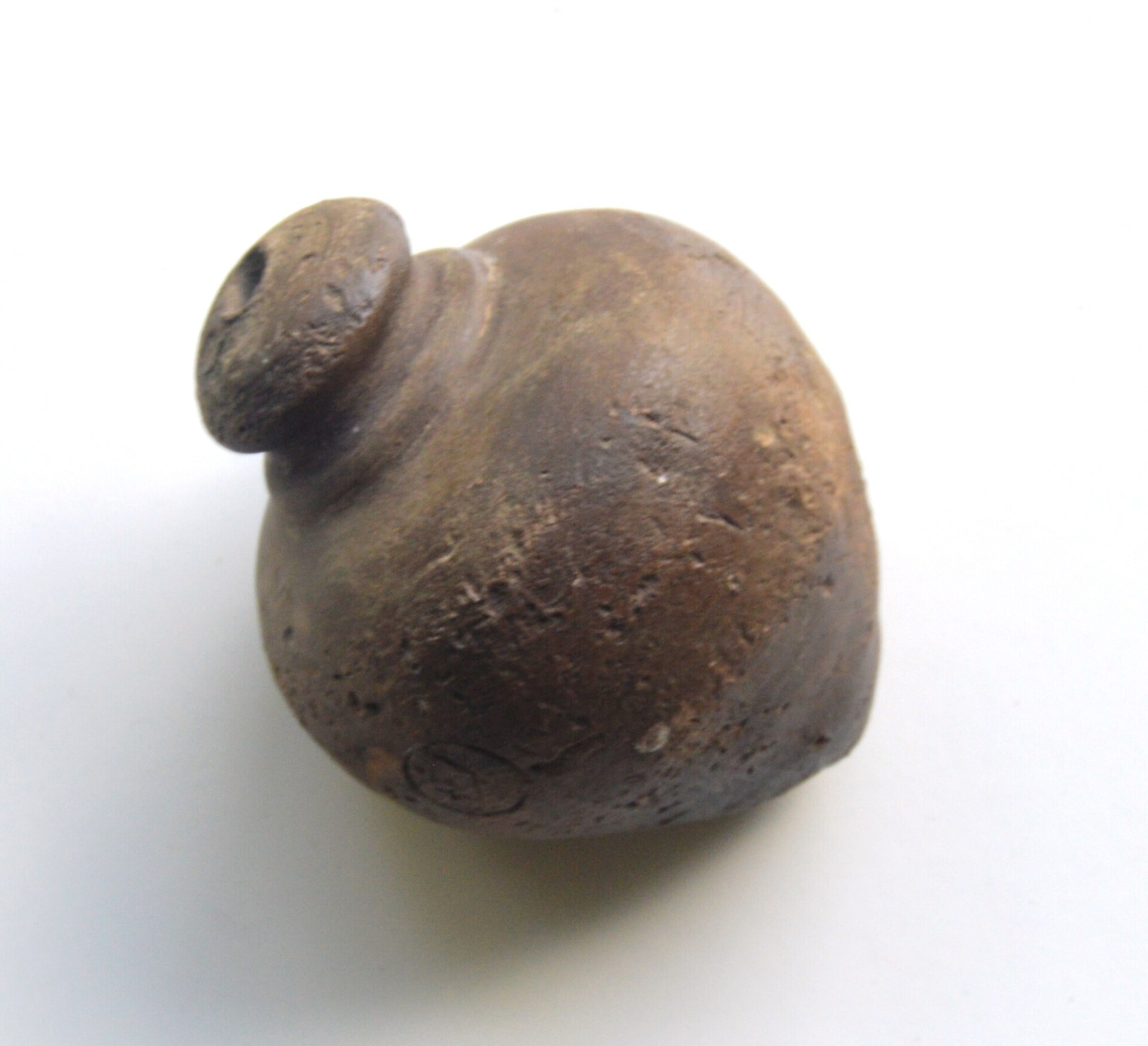
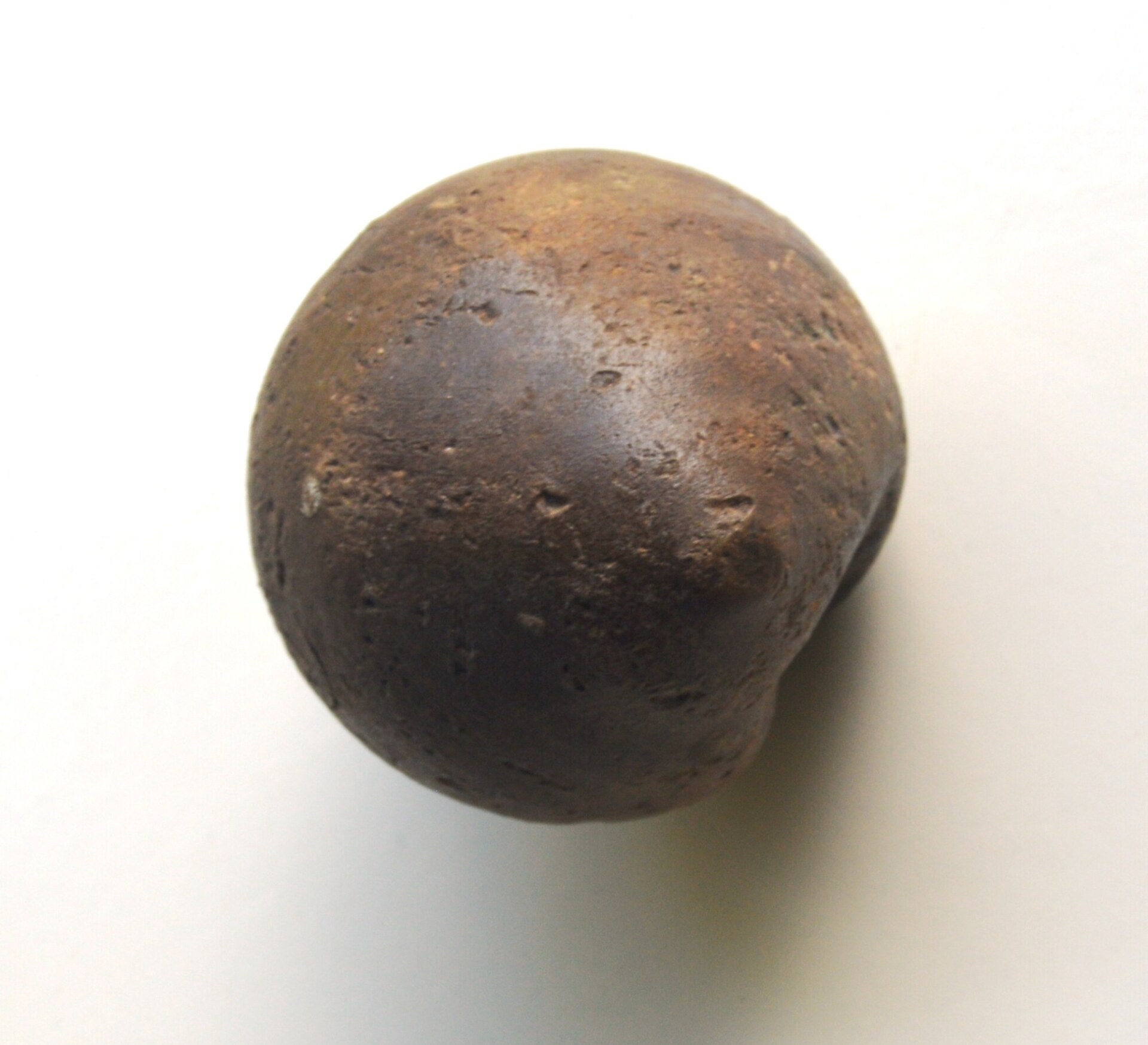
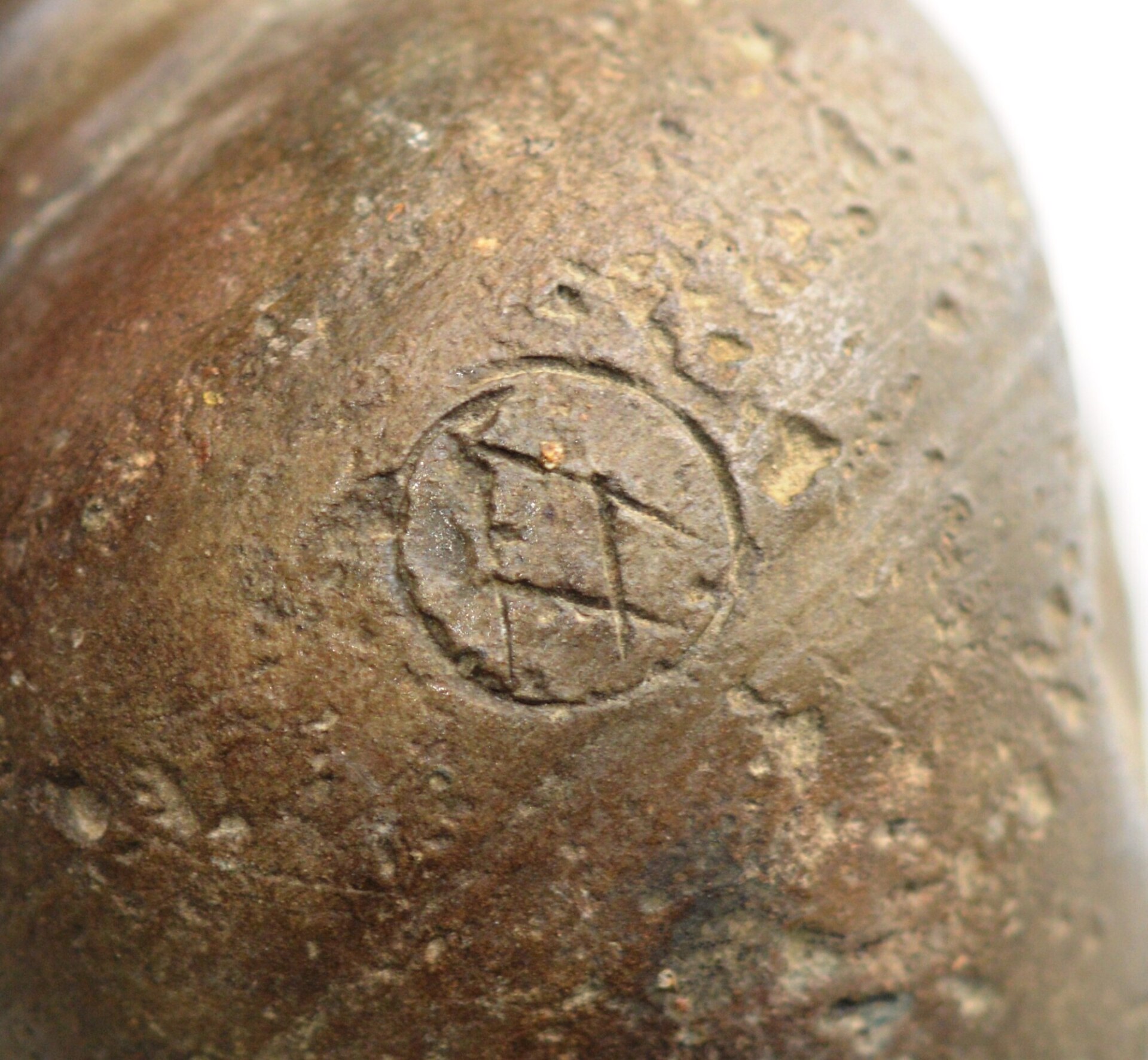
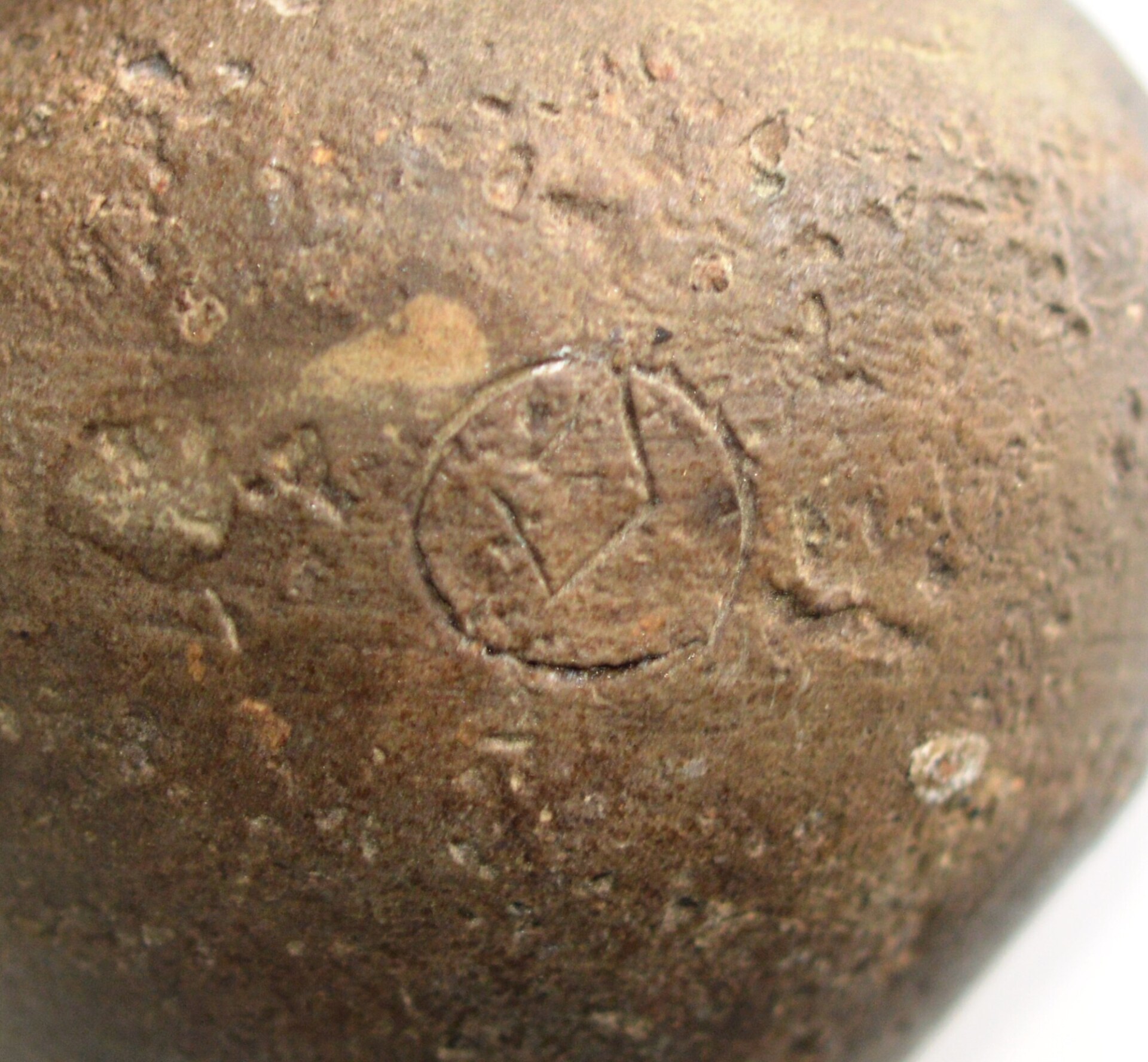
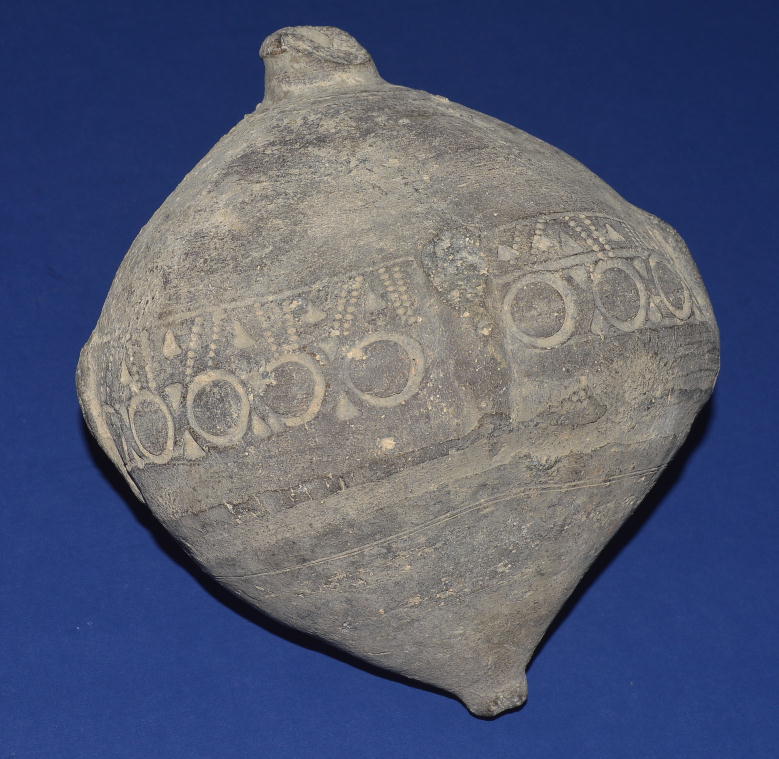
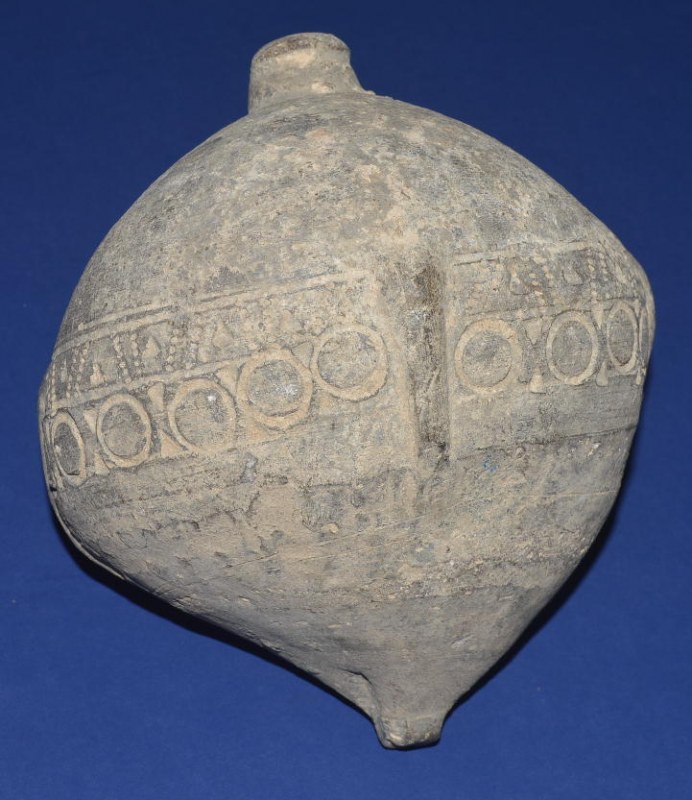
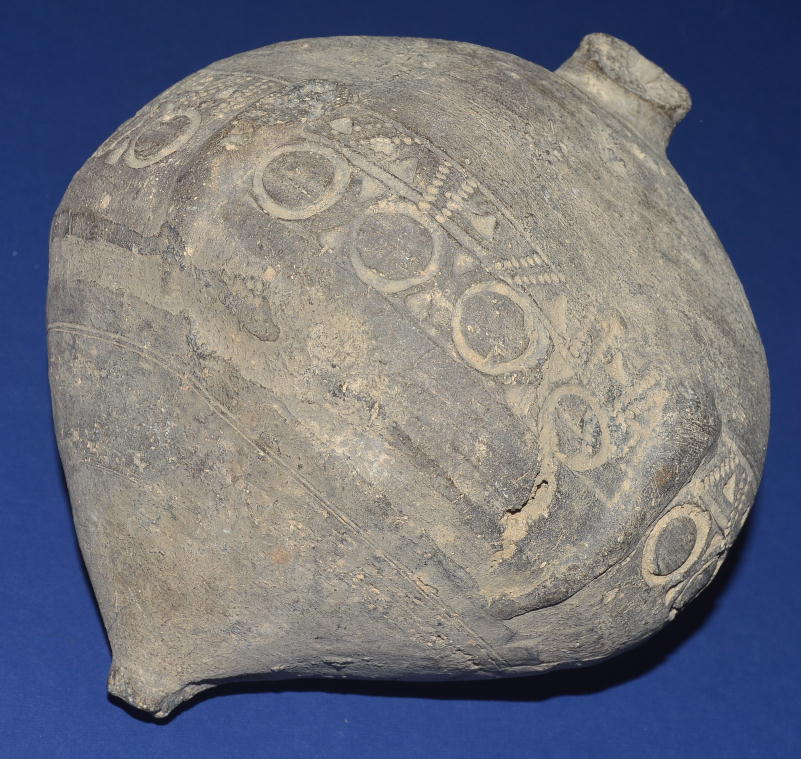
via clay grenades, either by hand or by launching with a catapult. This example is a hollow
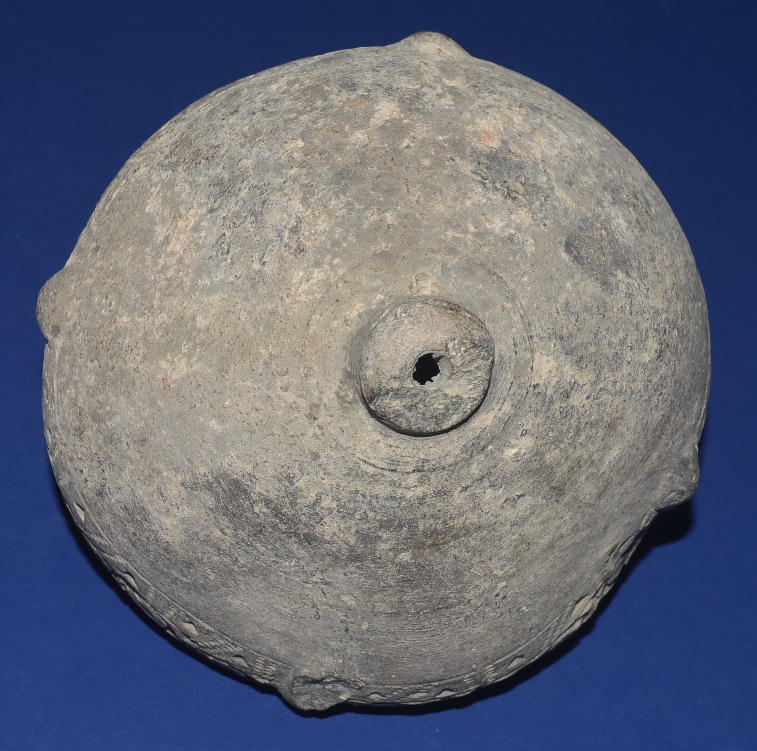
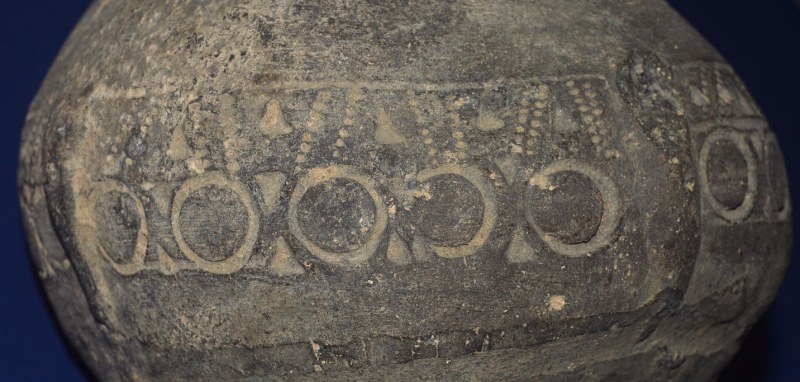
clay vessel with an ovoid-shaped body, domed top, and conical base; the body with a
simple incised decoration. Spout on the upper face to facilitate filling and the addition of a
wick. An area worn away on one side, not affecting the functionality or integrity. Weighs 1
pound; approximately 4″ long and 3″ in diameter. Included is a certificate of authenticity
from a London antique gallery.
 WWII Imperial Japanese Type 4 Ceramic Hand Grenade, Inert
  Percussion Pennsylvania Long Rifle, ca. 1860
 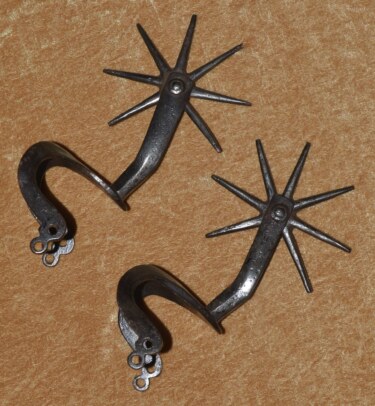 Rare Polish/Hungarian Hussar Spurs, 16th C
 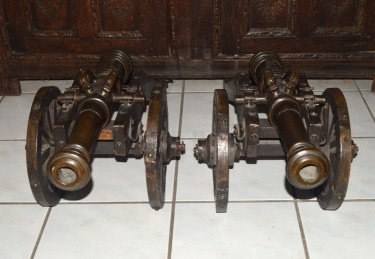 Pair of Large Early European Bronze Model Cannons, Dated 1671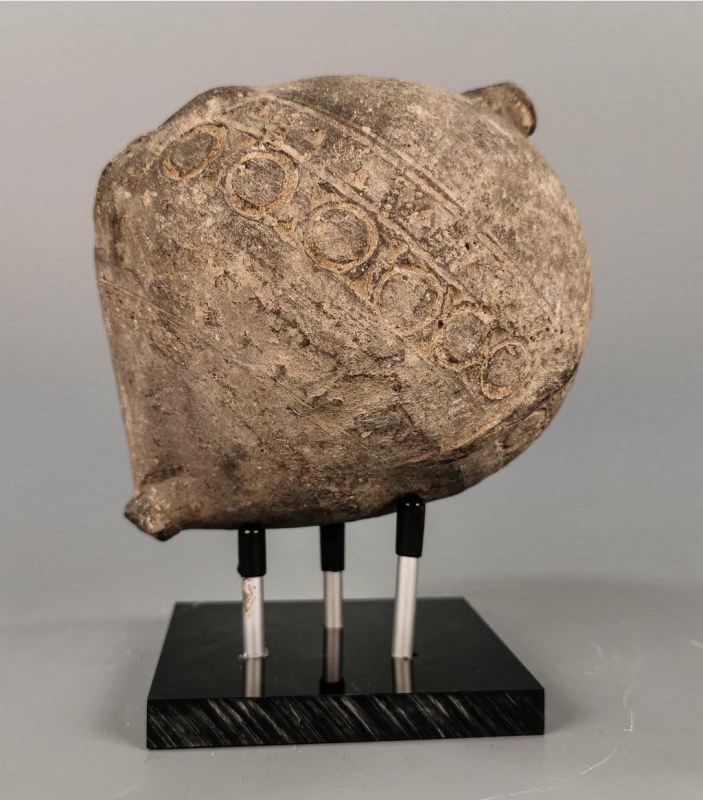
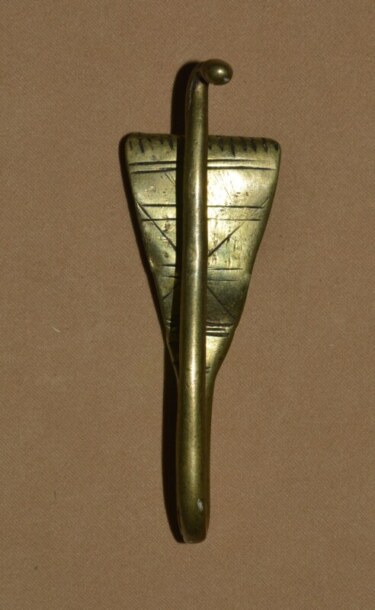 18th C Sword Hanger
 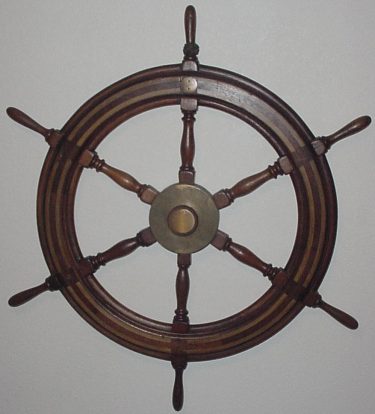 Ship’s Wheel from D-Day Blockship
 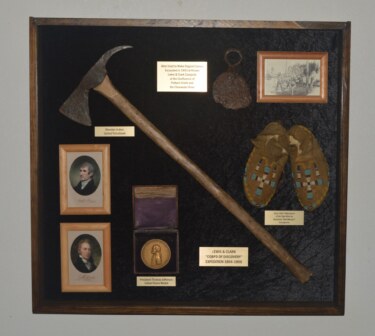 Historic Lewis & Clark “Corps of Discovery” Display
 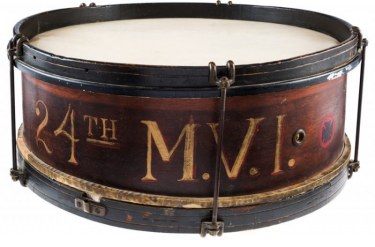 24th Michigan “Iron Brigade” Painted Snare Drum.