
Description
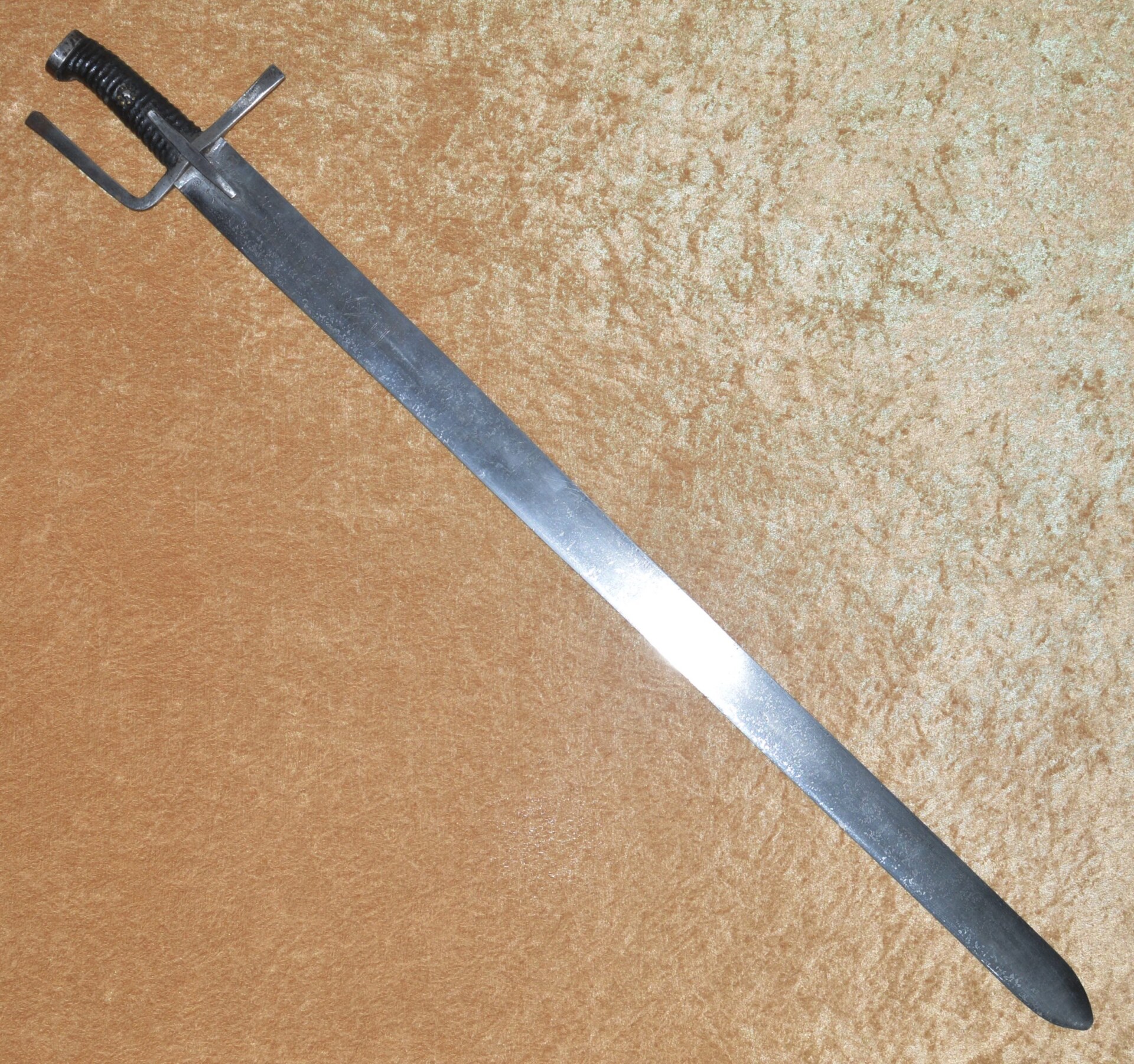
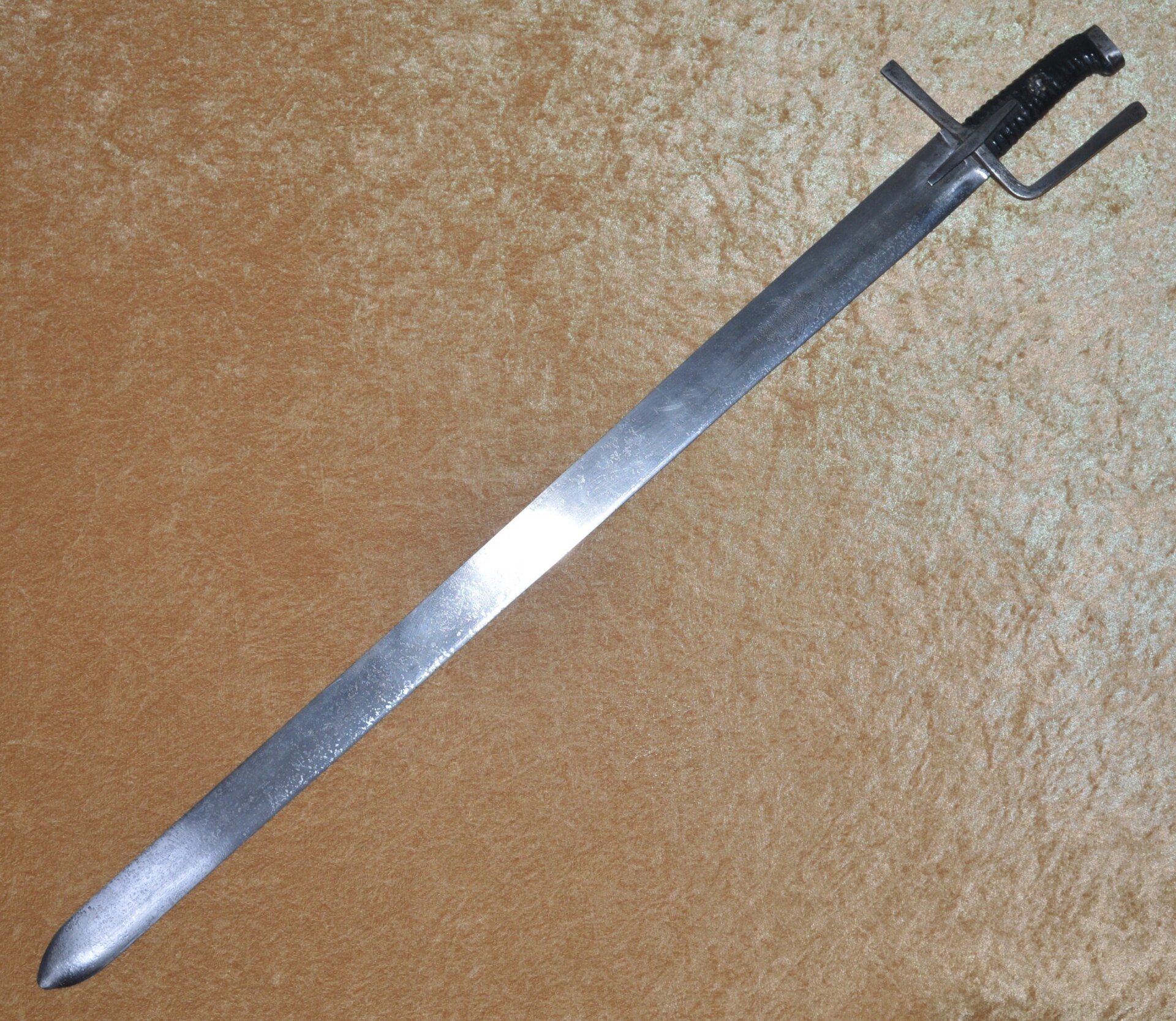
Favored by Austrian and Eastern European heavy cavalry, the pallasch was a large, heavy
sword meant to beat down an opponent. They were mounted with broad, straight blades
and could be used for thrusting, but were primarily used for slashing cuts. This example
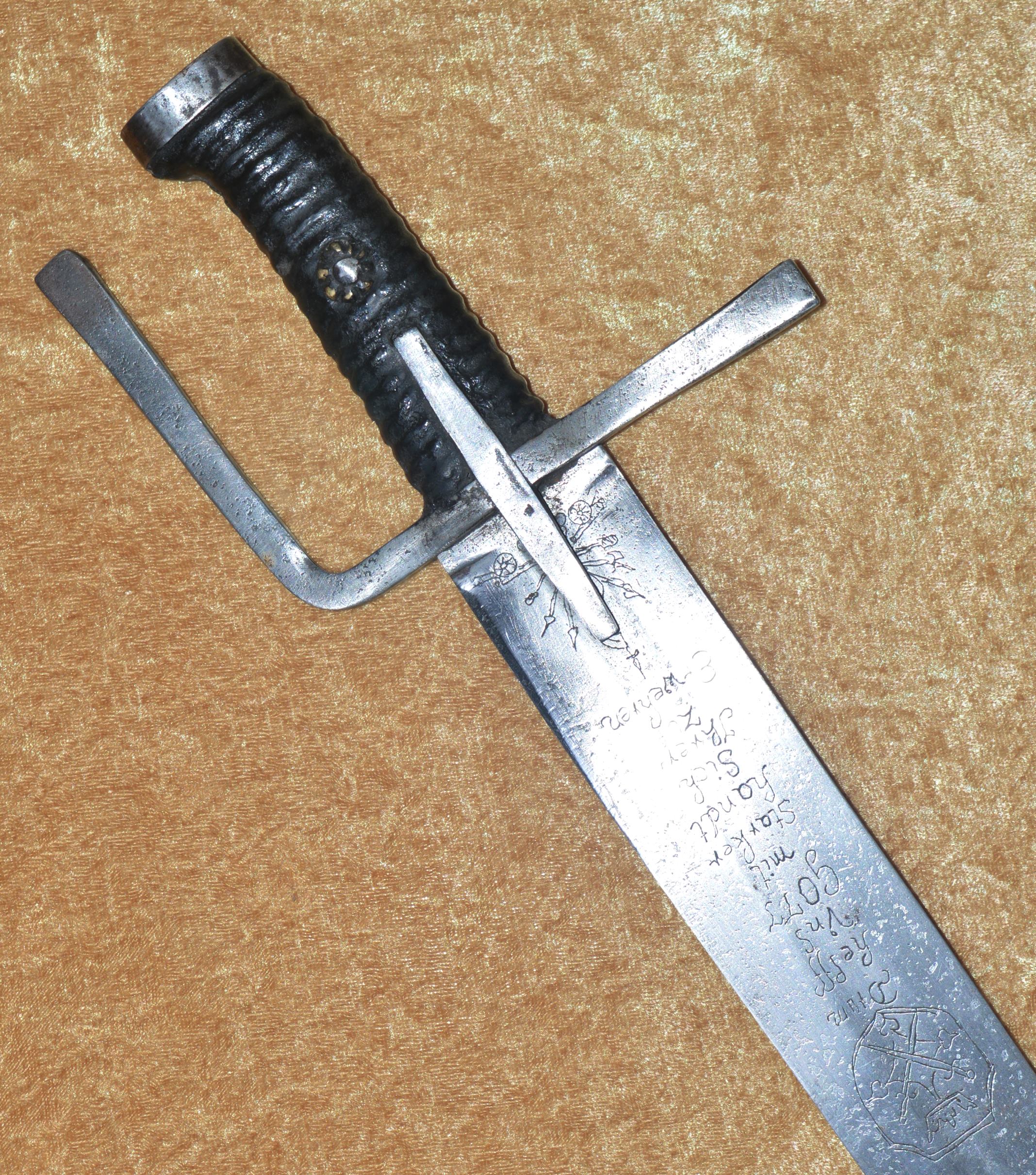
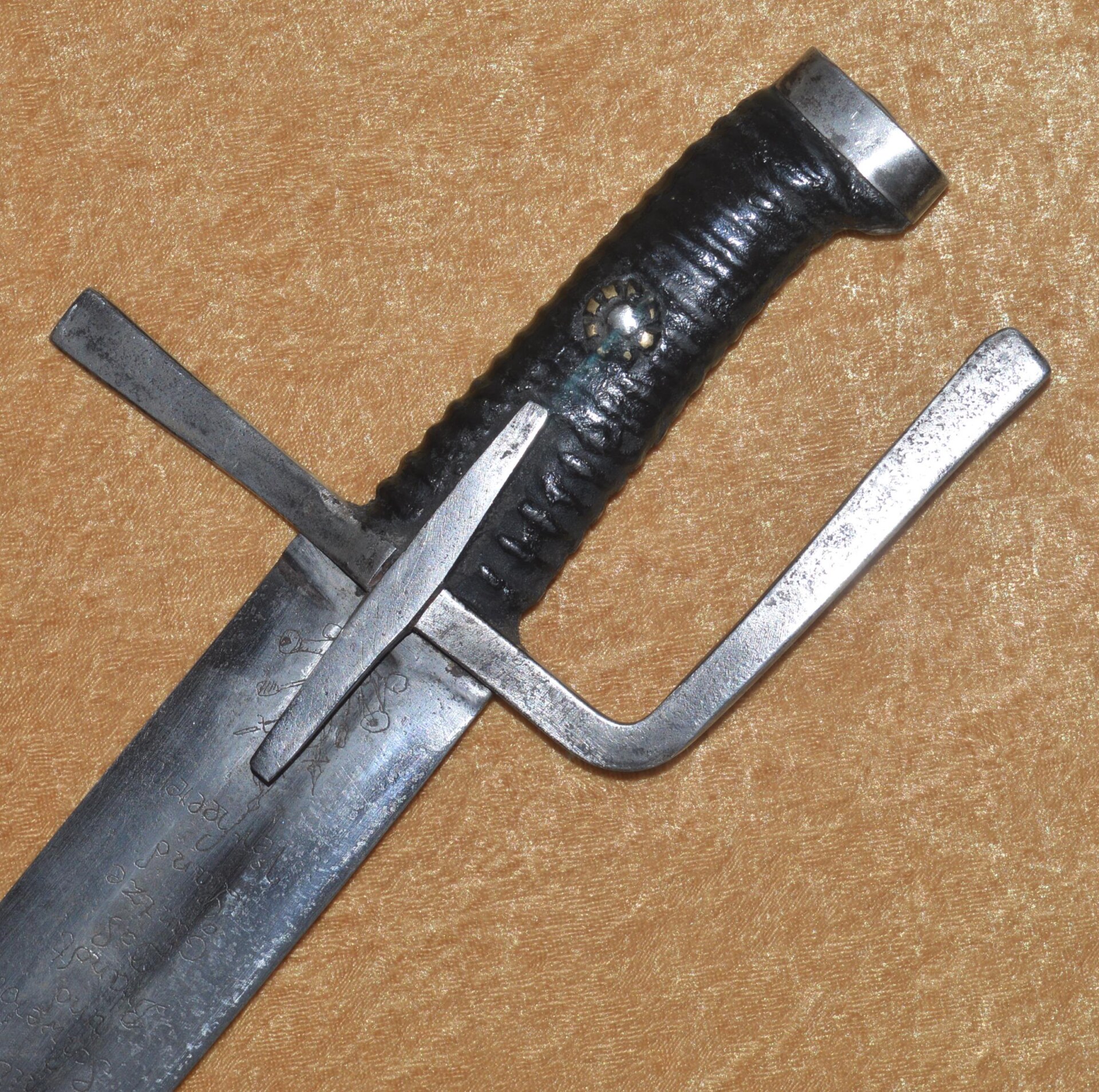
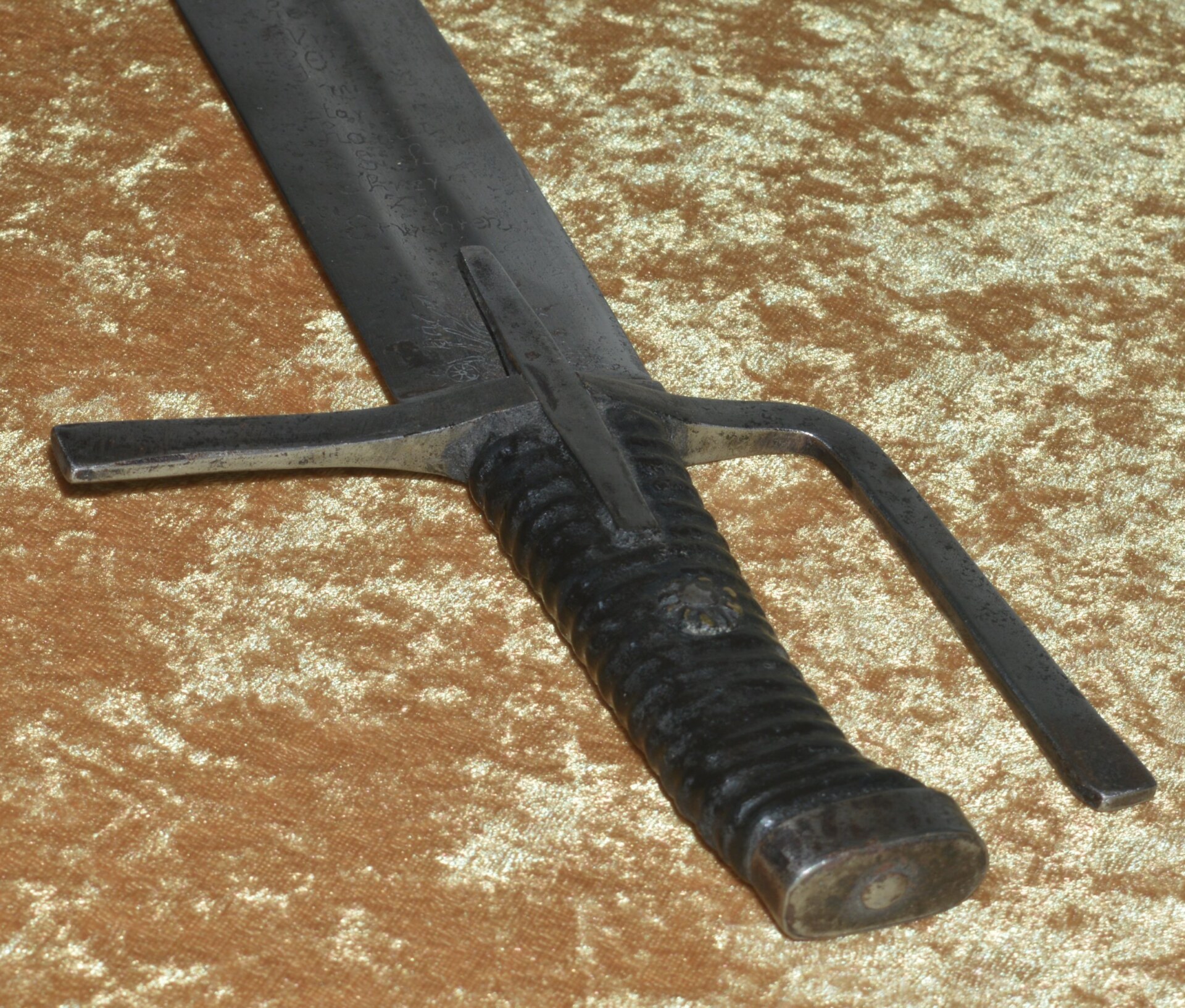
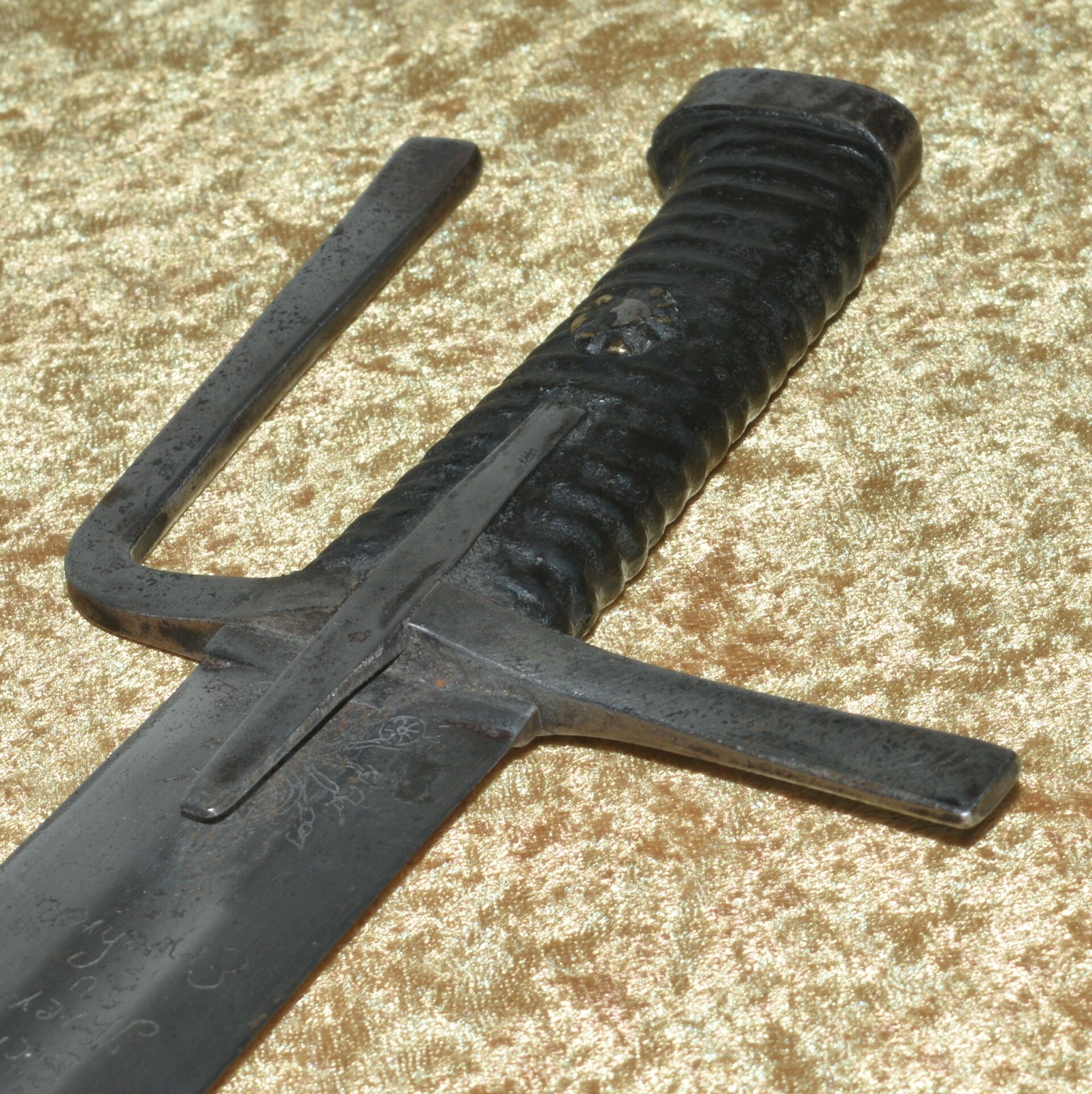
features iron L-shaped guard of Eastern European fashion with long double langets, original
leather-wrapped grip riveted through the blade tang, and oval capstan pommel. Broad (1
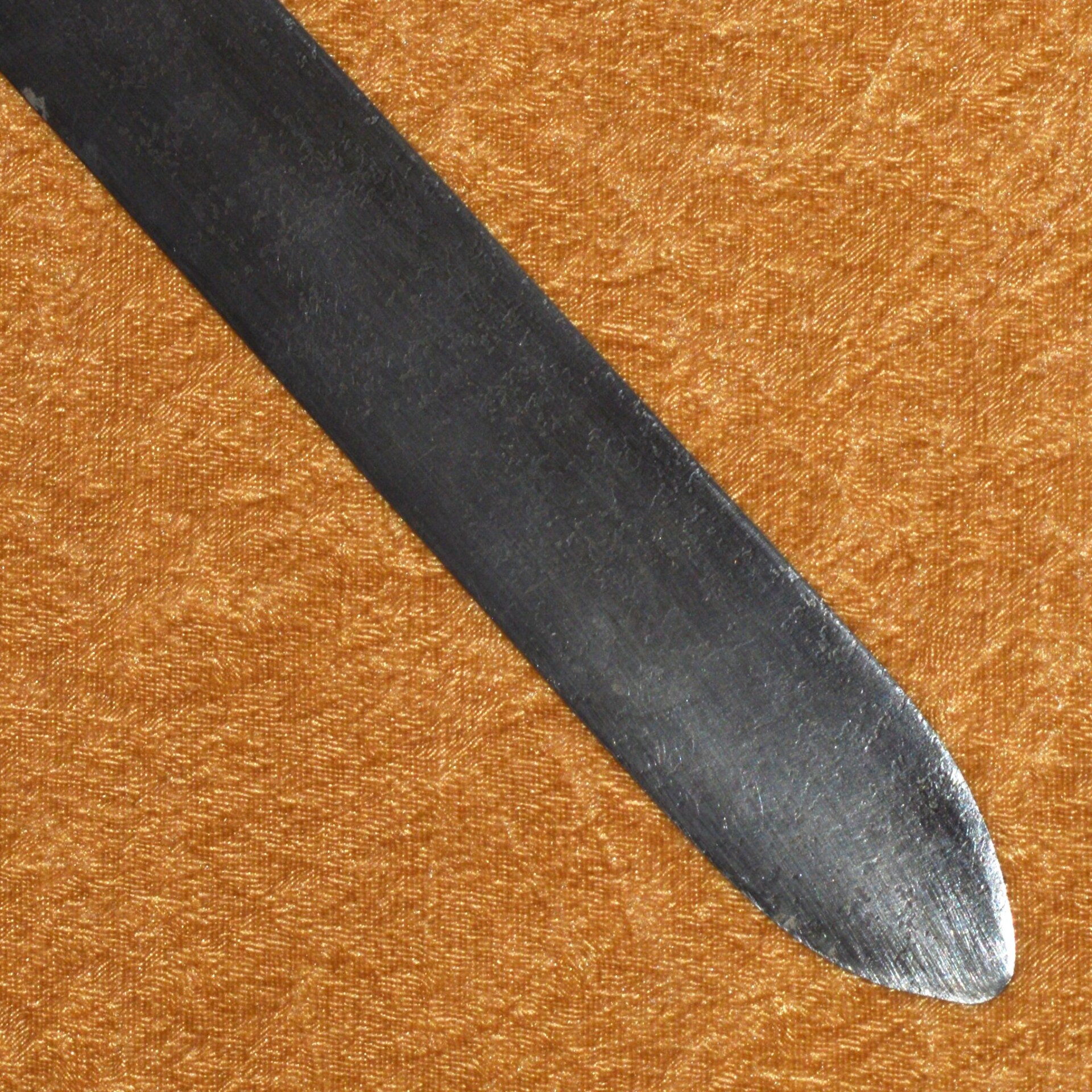
7/8″, or 48 mm) double-edged 32″ (81.3 cm) blade of shallow lens section, with shallow 9″
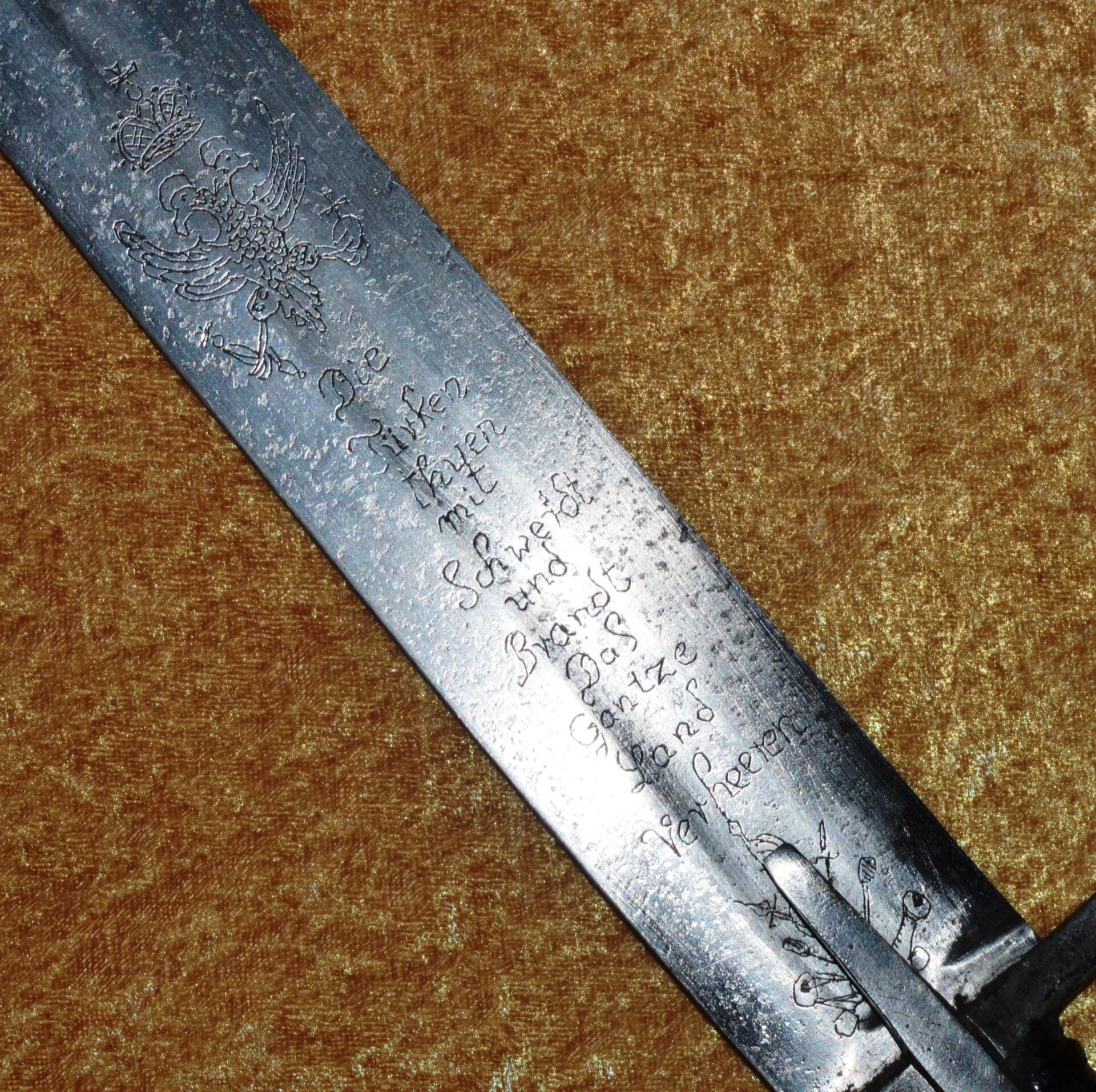
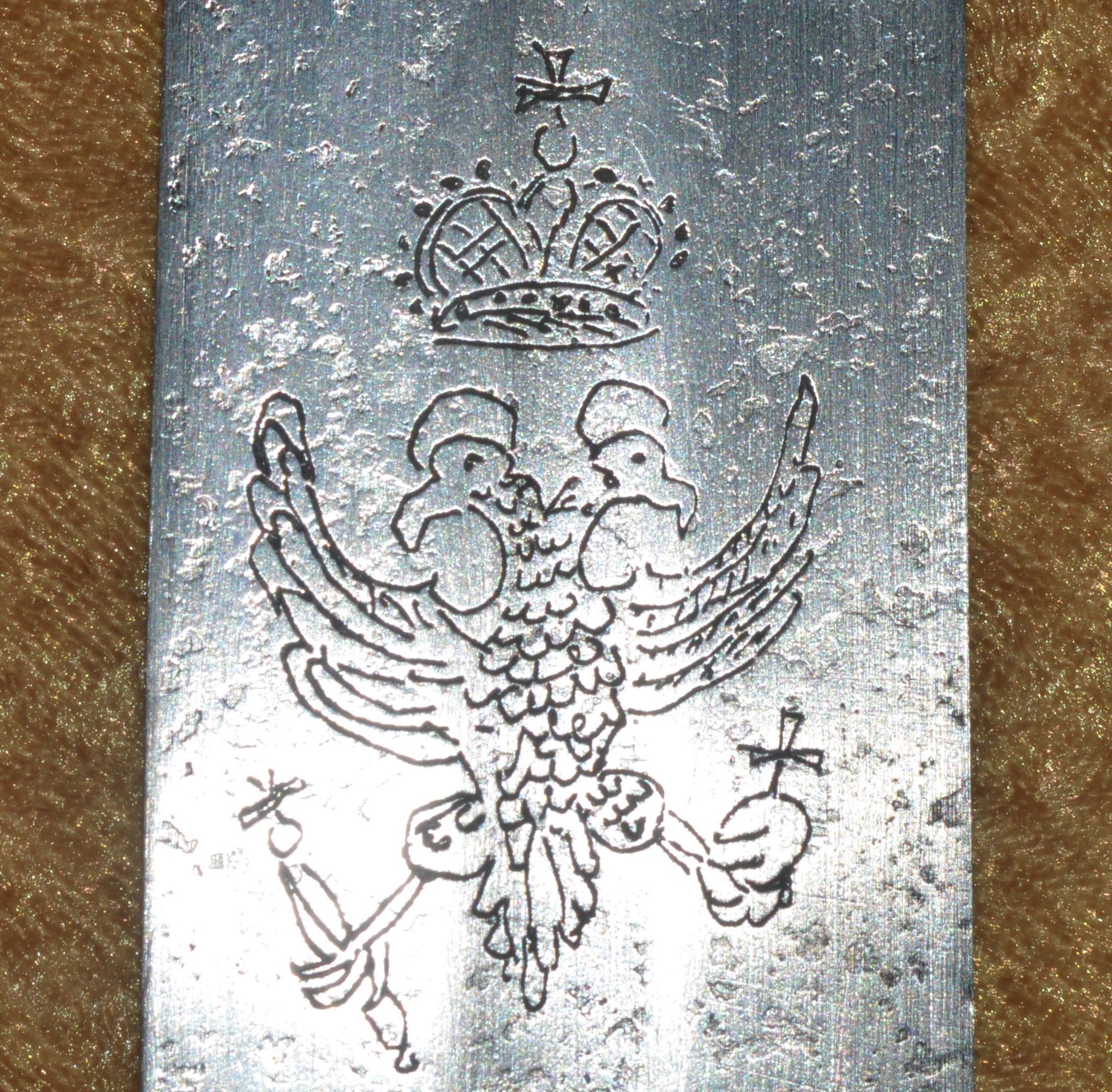
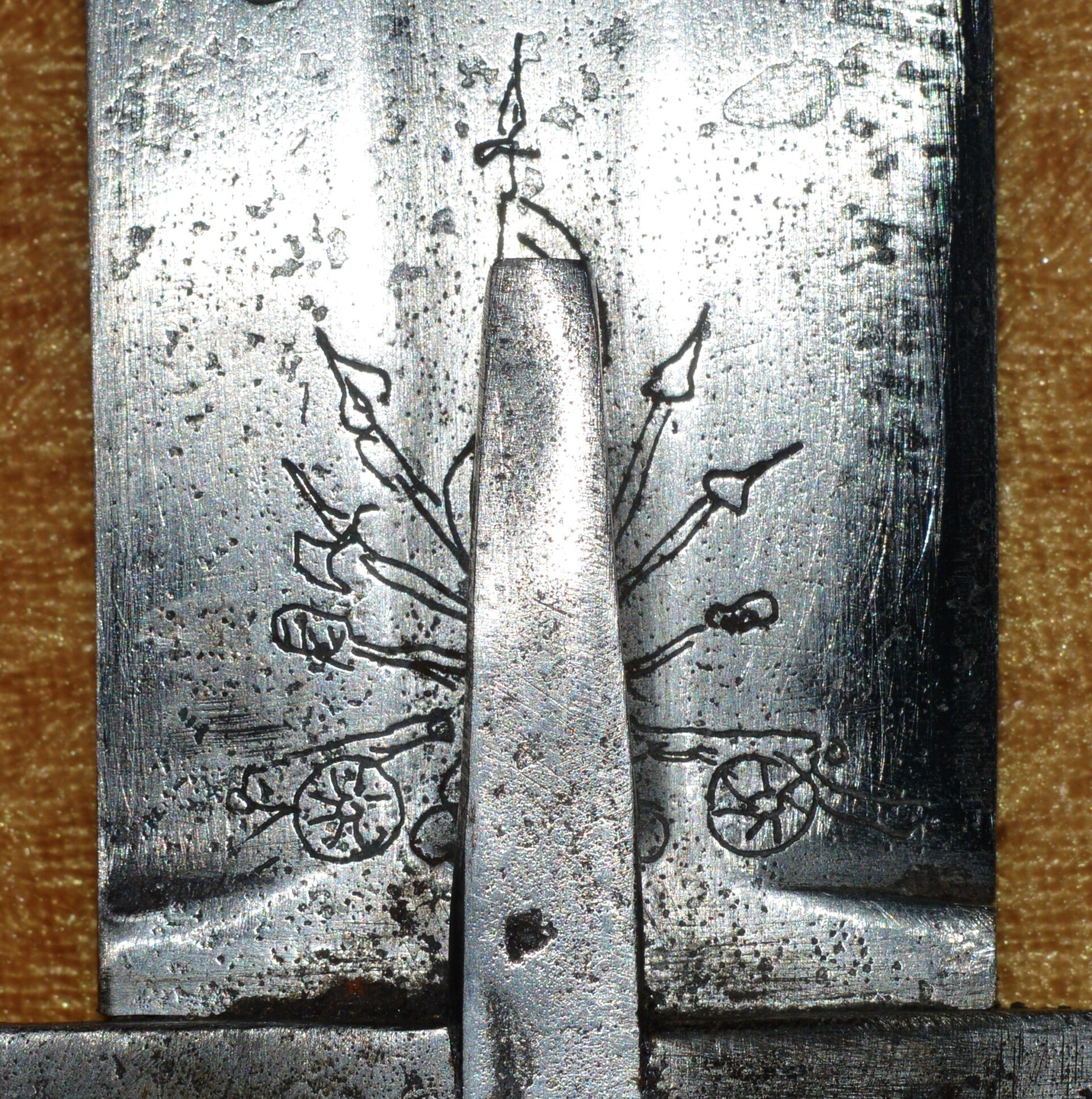
central fuller; engraved with stands of arms, a crowned double-headed eagle, and “Die
Turken thyen mit Schweidt und Brandt Das Gantze Land Verheeren” (The Turks are
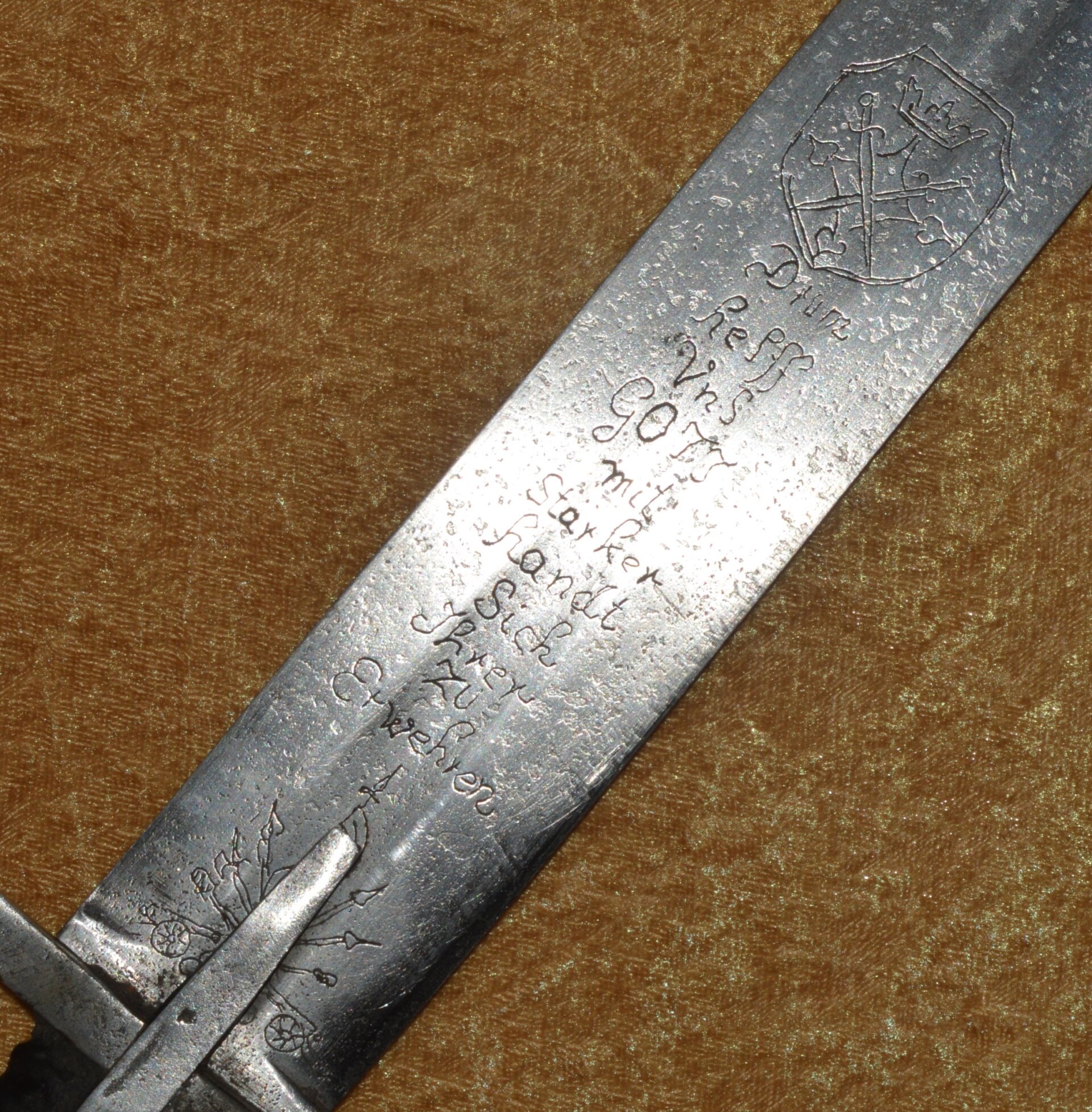
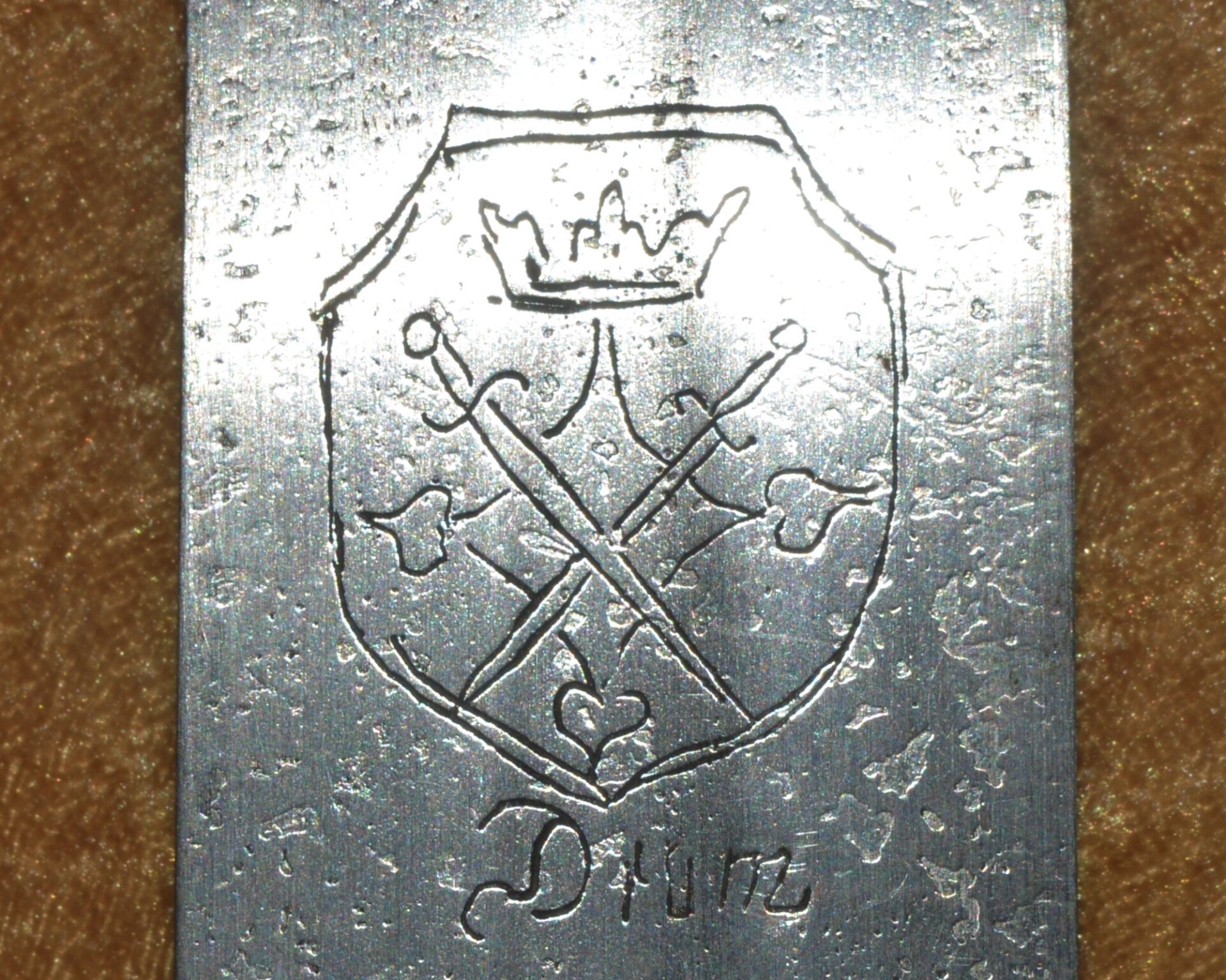
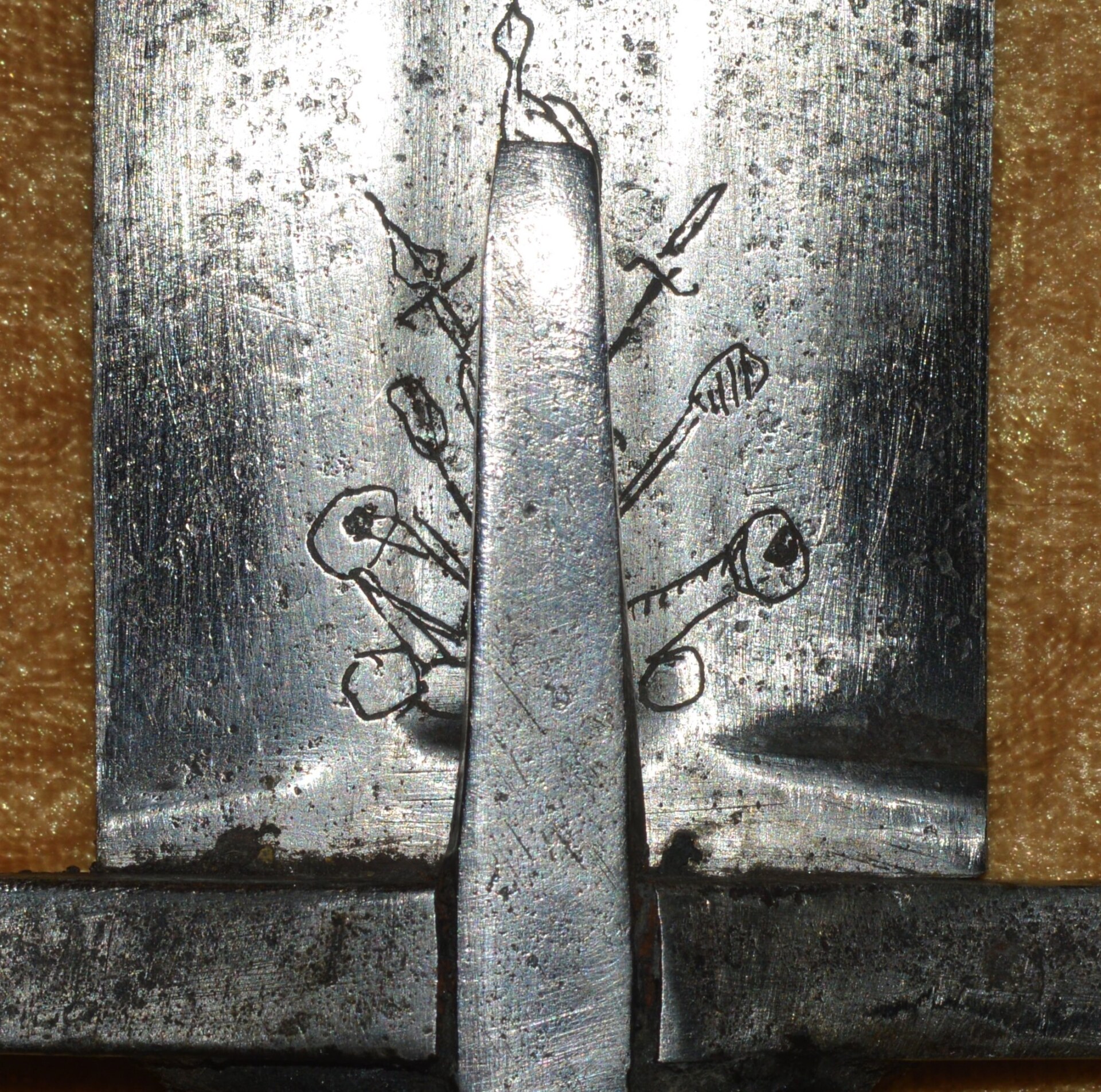
devastating the whole country with fear and fire) on one side, and crossed swords in a
shield above “Diem helff Uns Gott mit Starker handt sich Thuer zu Etwehren” (God help us
with a strong hand to defend ourselves from enemy). This undoubtedly is referring to the
long struggle by the Holy Roman Empire to defend against Ottoman attempts at conquest.
The wars reached a climax when 80,000 troops from Poland, German States, and the Holy
Roman Empire defeated the Ottoman Turks at the Battle of Kahlenberg Mountain, ending
their siege of Vienna and further Ottoman expansion into Central Europe. The siege is
considered a defining moment in European history in the defense of Christendom against
Ottoman expansion. This sword very possibly a veteran of those conflicts. Metal cleaned
over light pitting; the blade with several shallow edge nicks, the inscription clearly legible.
Overall length 37″ (94 cm). Similar swords displayed in the Landeszeughaus (state arsenal)
Graz, part of the Steiermarkisches Landesmuseum in Graz, Austria. These swords rarely
find their way to the US and are becoming more expensive with high shipping costs and
tariffs.
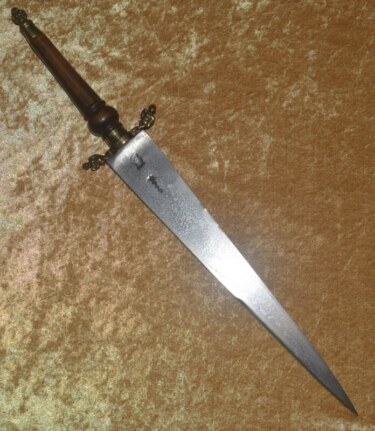 English Plug Bayonet by John Hathaway, ca. 1690
 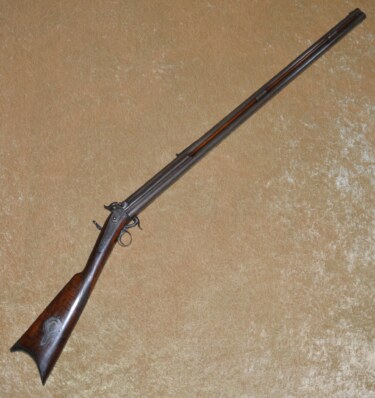 Fine and Unique American Over and Under Percussion Sporting Gun, ca. 1860
 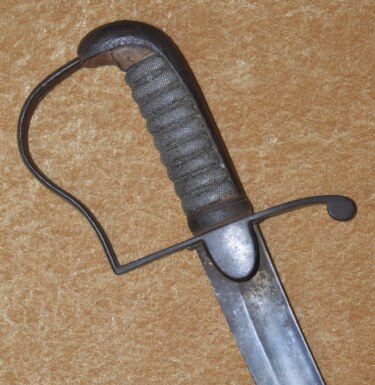 British P1796 Light Cavalry Officer’s Saber
 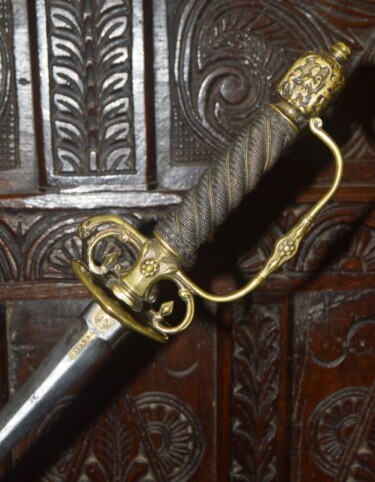 Fine German Transitional Rapier/Smallsword, Late 17th/early 18th C