
Description
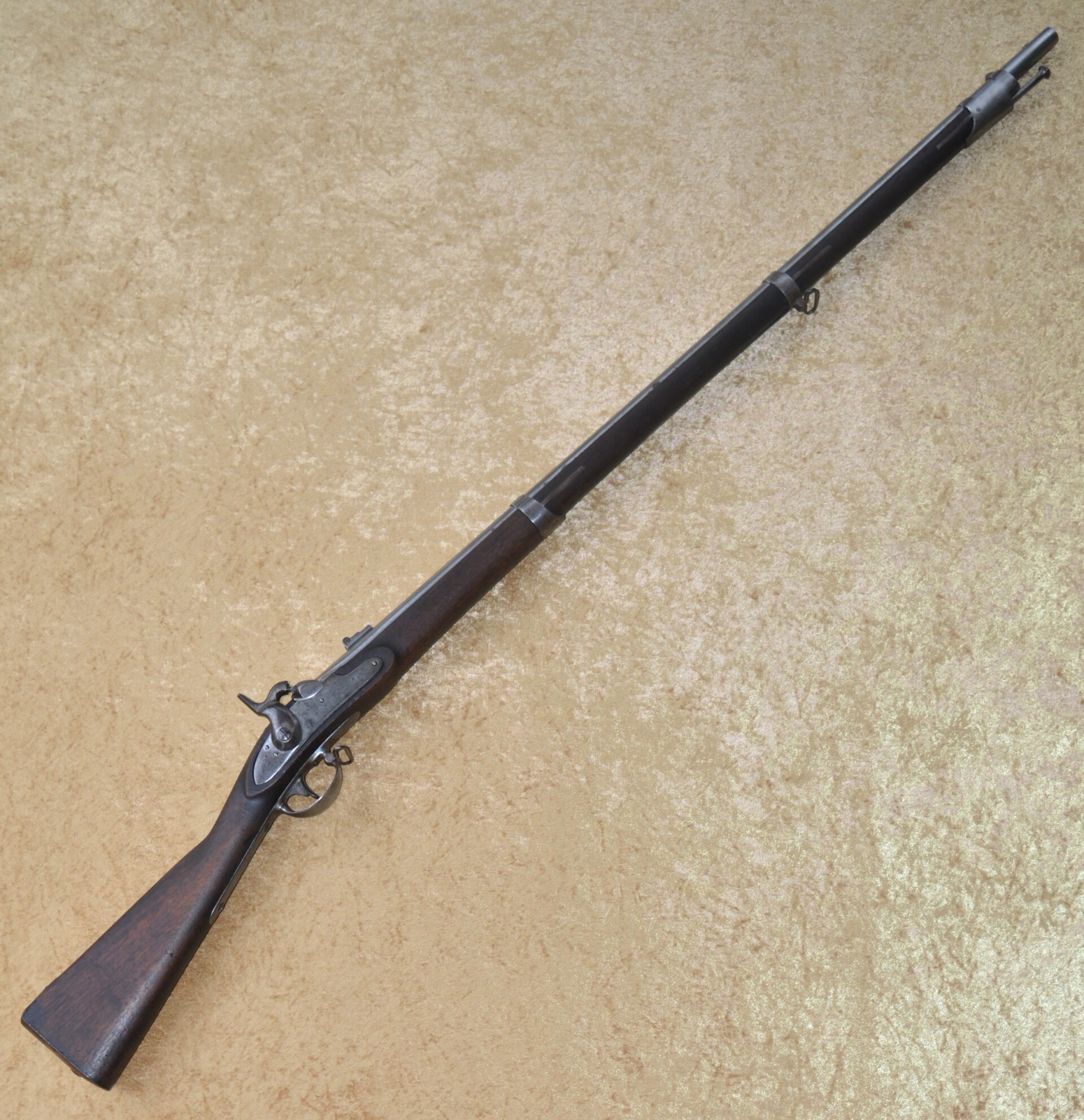
Nathan Starr, of Middleton, Connecticut, made 15,530 of these Type III Model 1816 flintlock
muskets between 1829 and 1840. With the advent of the improved percussion system, it
was decided to cease flintlock production at National Armories and switch to percussion in
1842. At the time, there were about 700,000 existing muskets in flintlock, and an
assessment was made as to determine the best course of action. The assessment was
completed in 1848 and it was decided that approximately 100,000 of those were not
serviceable or worth repairing, so they were sold to the highest bidders. The remainder
would be converted to percussion.by one of several methods then in use. This example is
one of 20,000 converted between 1861 and 1863 under contract with the US Government
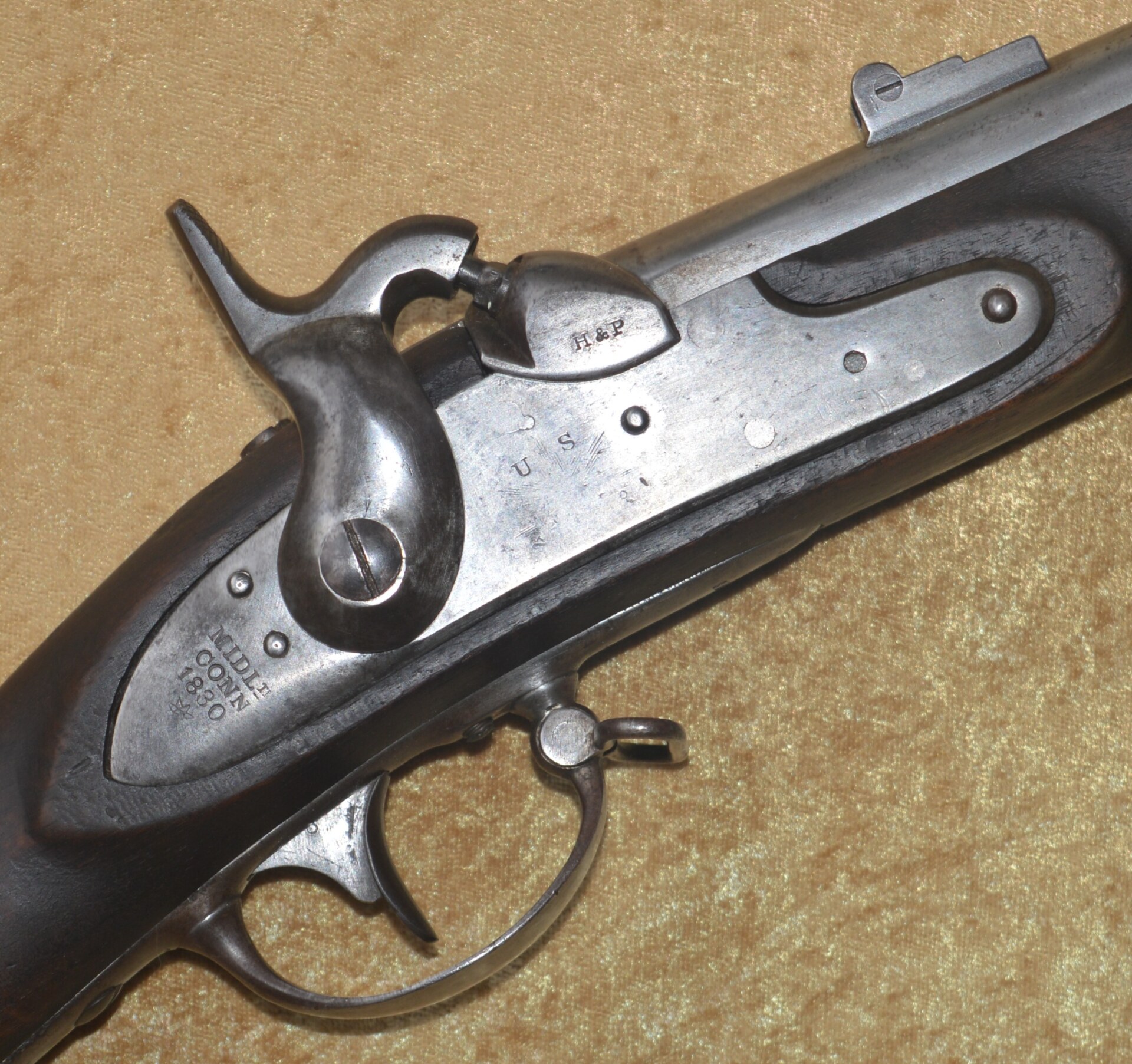
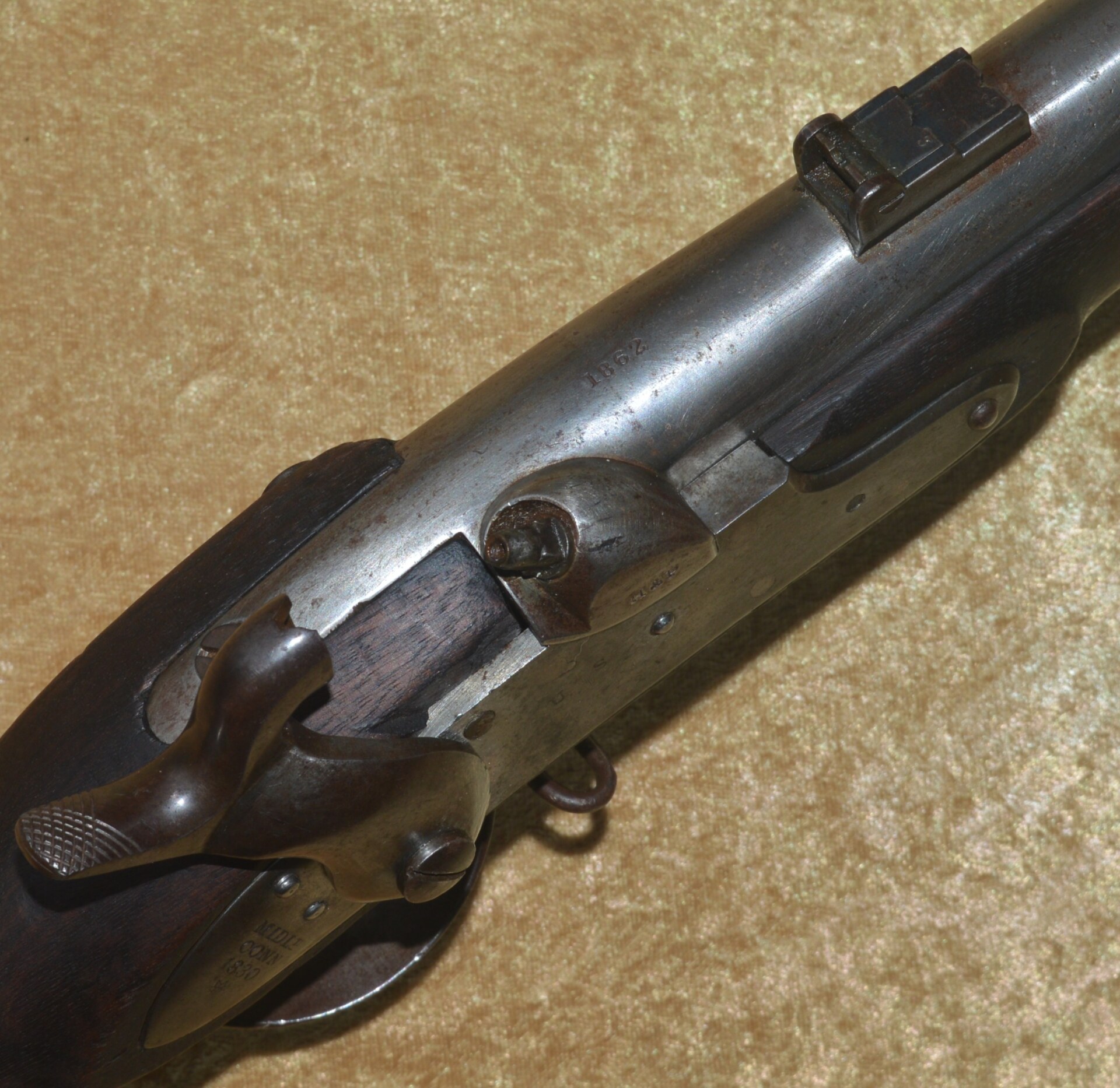
and the State of New Jersey by Hewes & Phillips of Newark. These were converted using
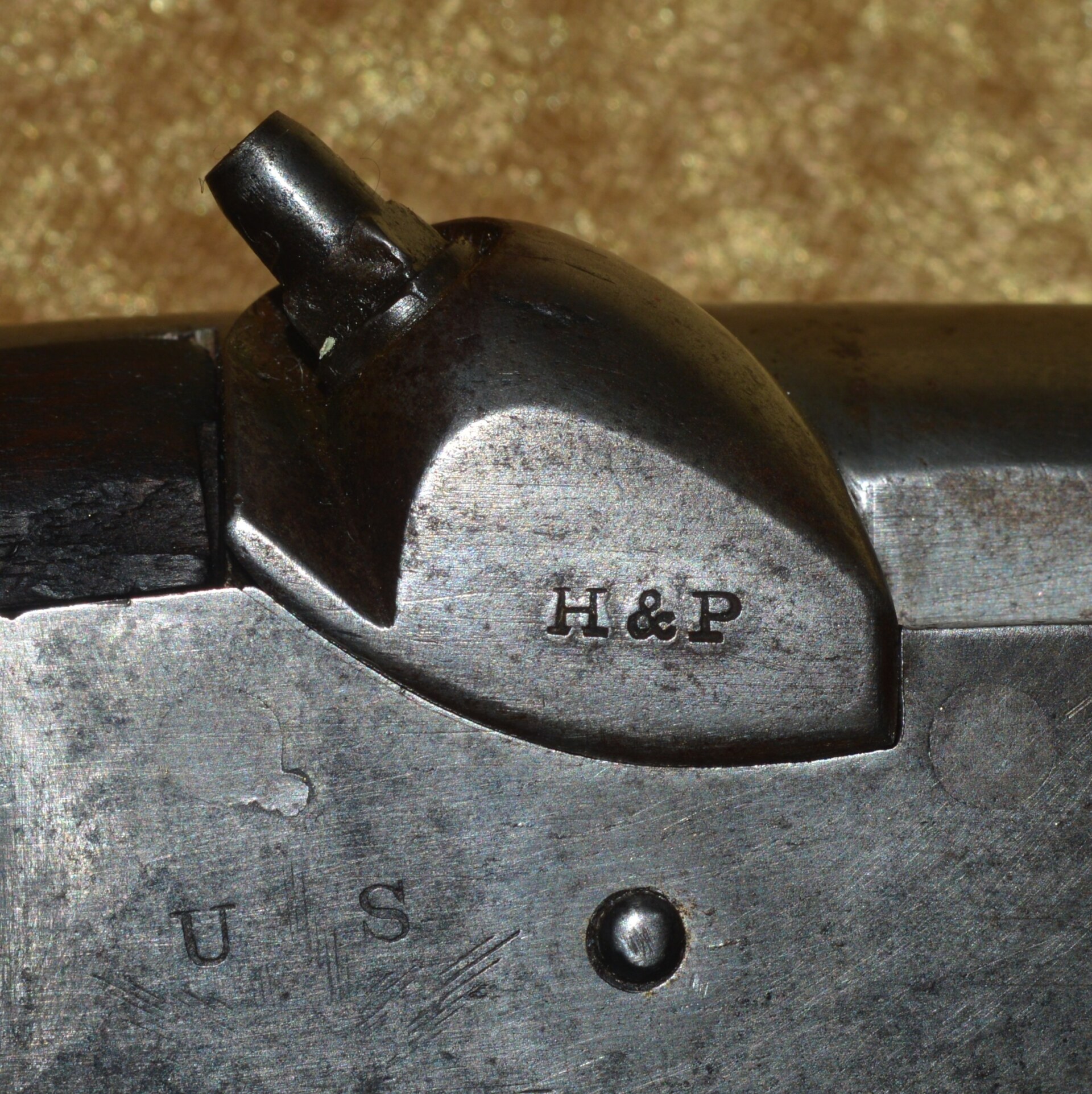
the “Bolster type” conversion, with the breech being cut off and replaced with a new one
with integral bolster to accept the percussion nipple. The bolster is stamped “H & P”, for
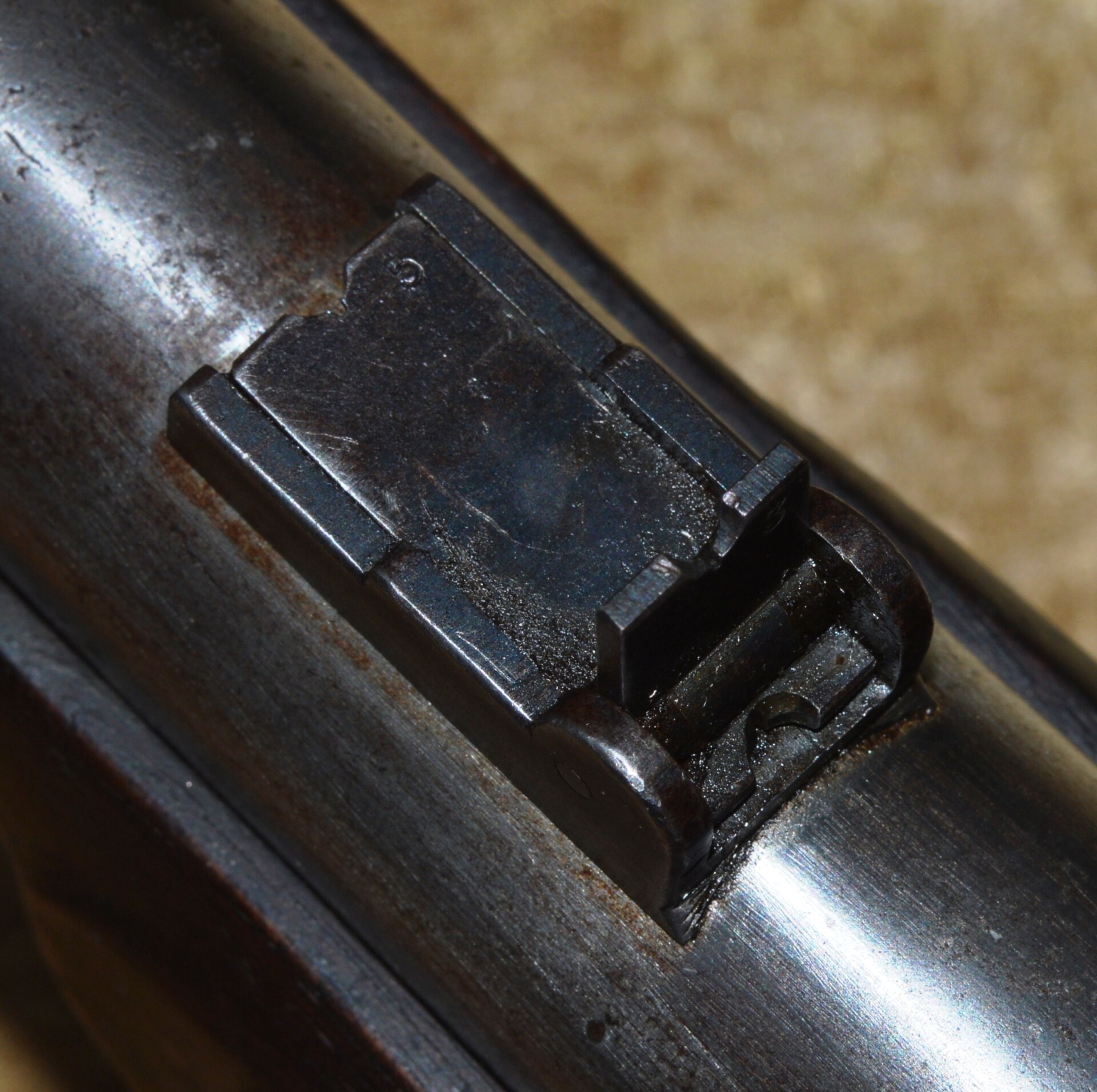
Hewes & Phillips. The contract also called for rifling the barrels and mounting a two-leaf
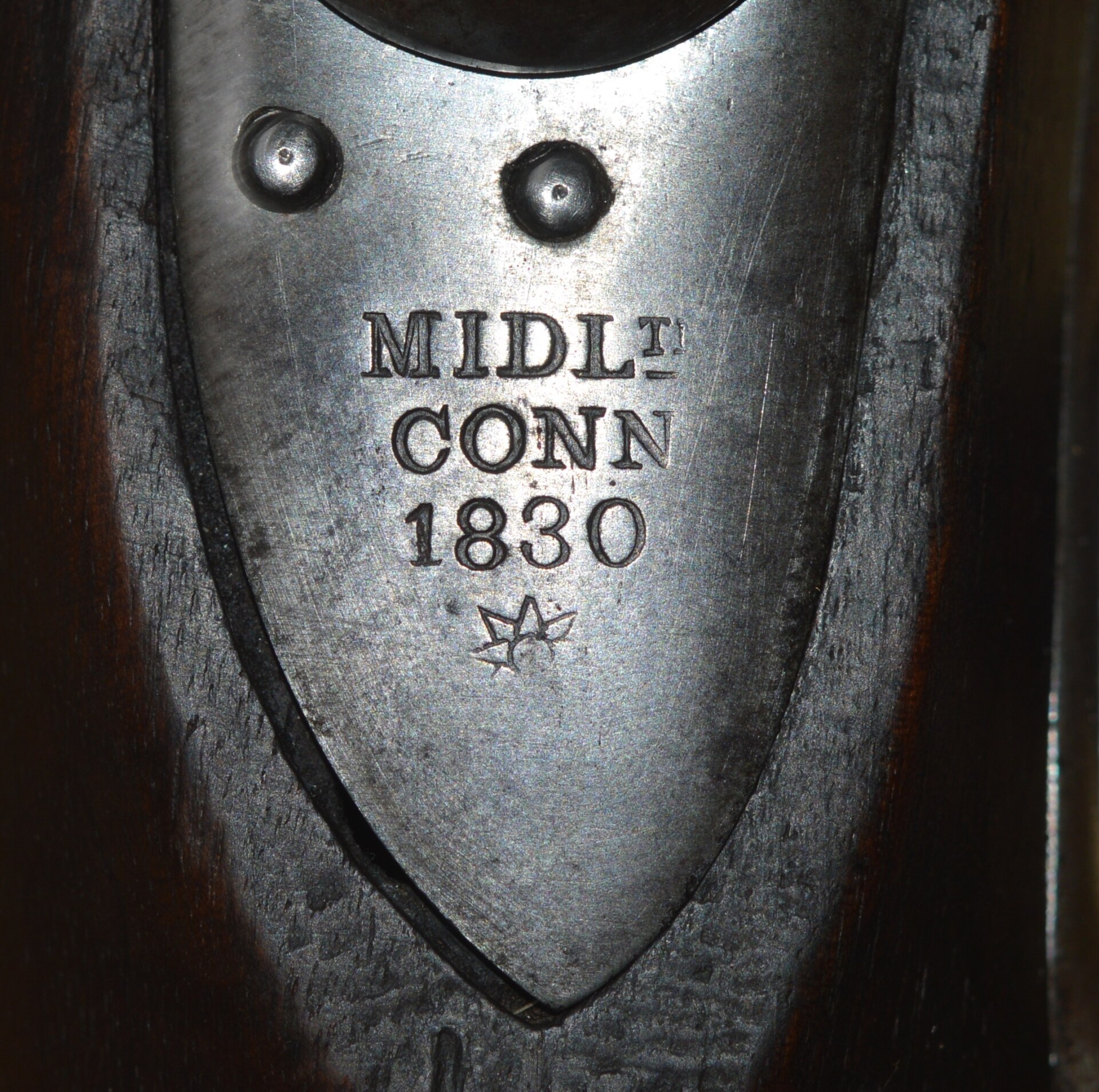
rear sight. This example with lockplate stamped vertically with “MIDDLTN/CONN/1830″ with
an 8-pointed star behind the hammer. The “U.S.” forward of the hammer is still visible,
along with a portion of the starburst, but the remainder of the “N.STARR” marking was
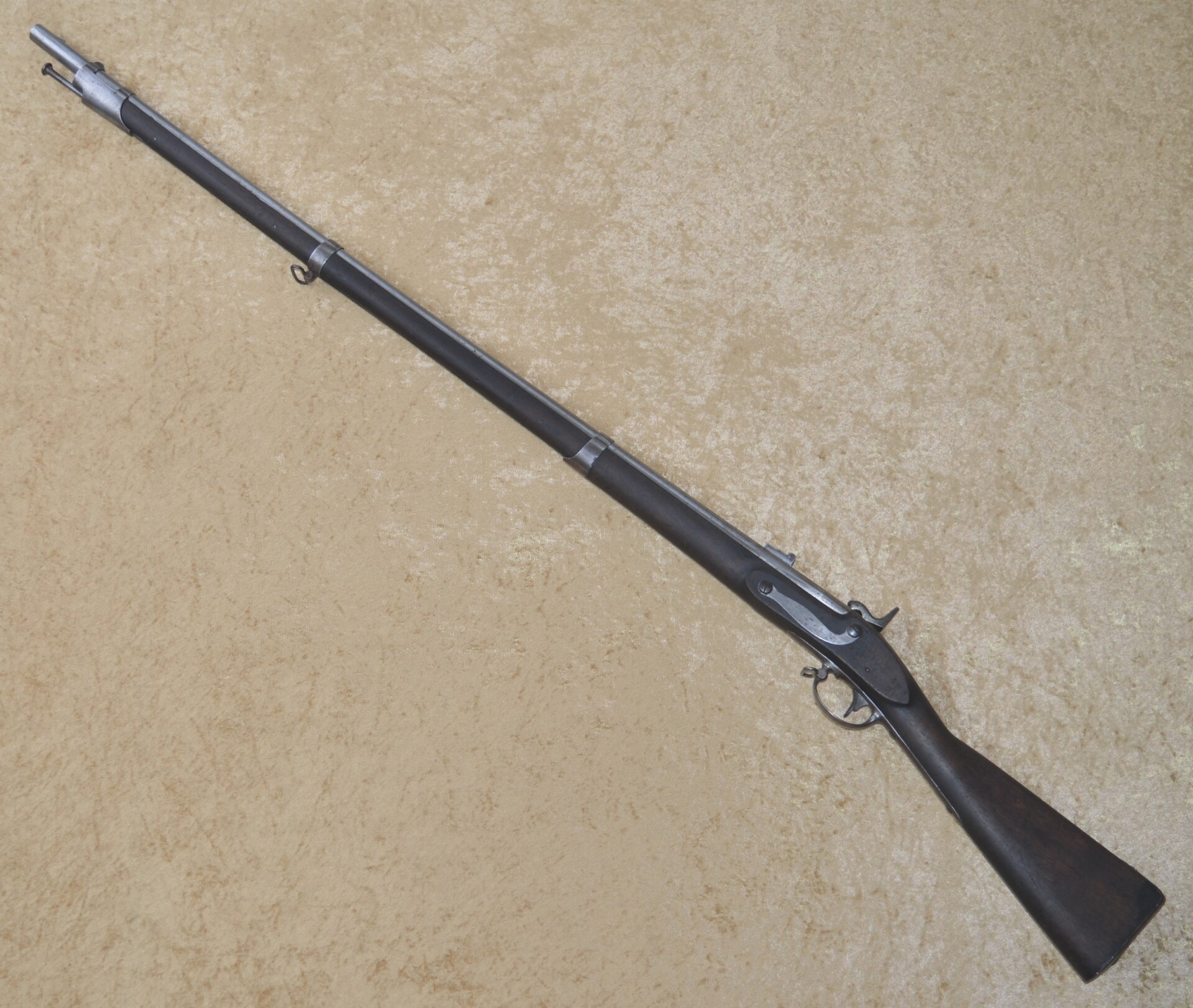
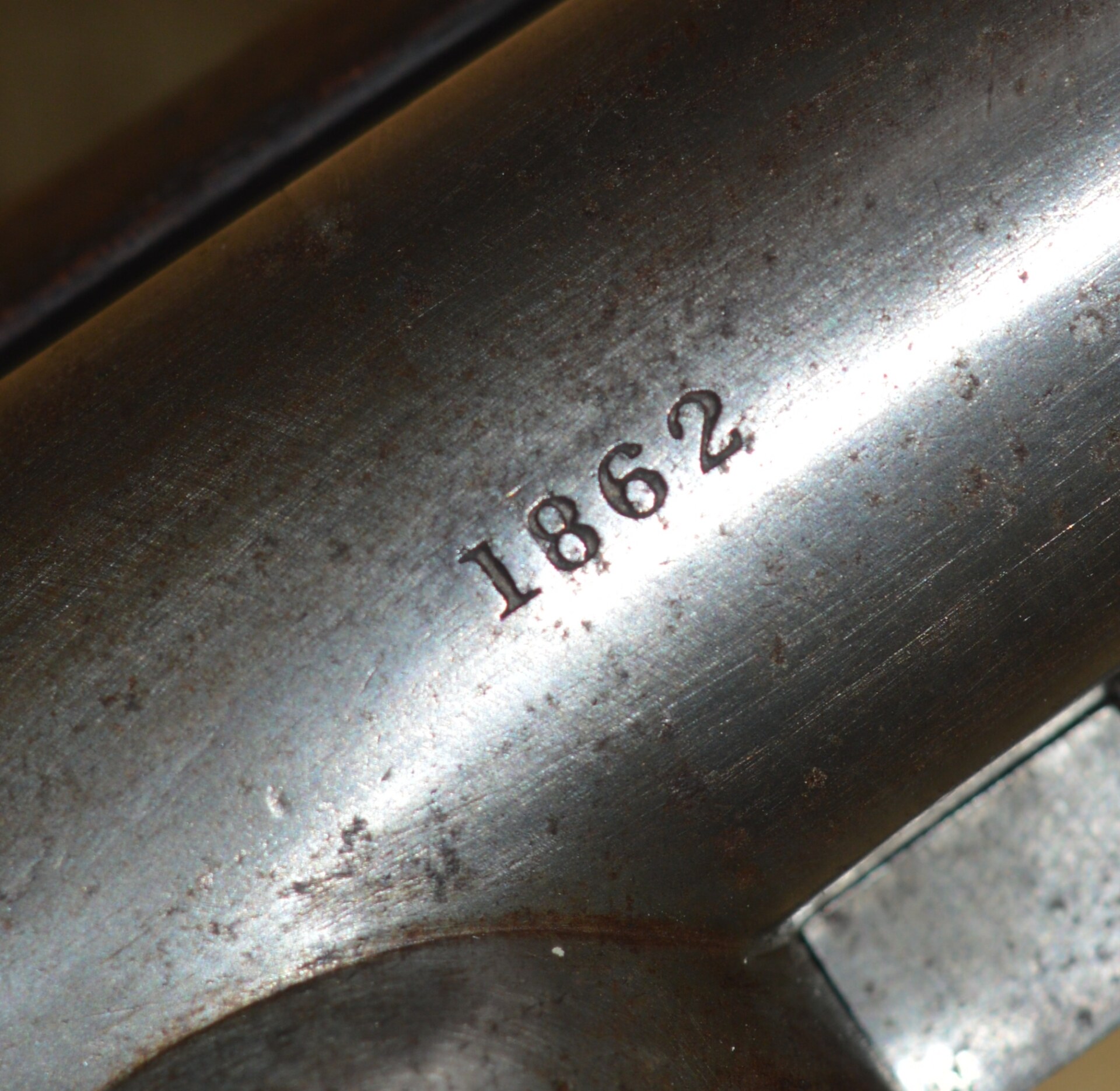
apparently ground off during the conversion process. Round 42″ barrel fitted with two-leaf
rear sight and the date “1862″ stamped on top, crossing the seam where the new breech
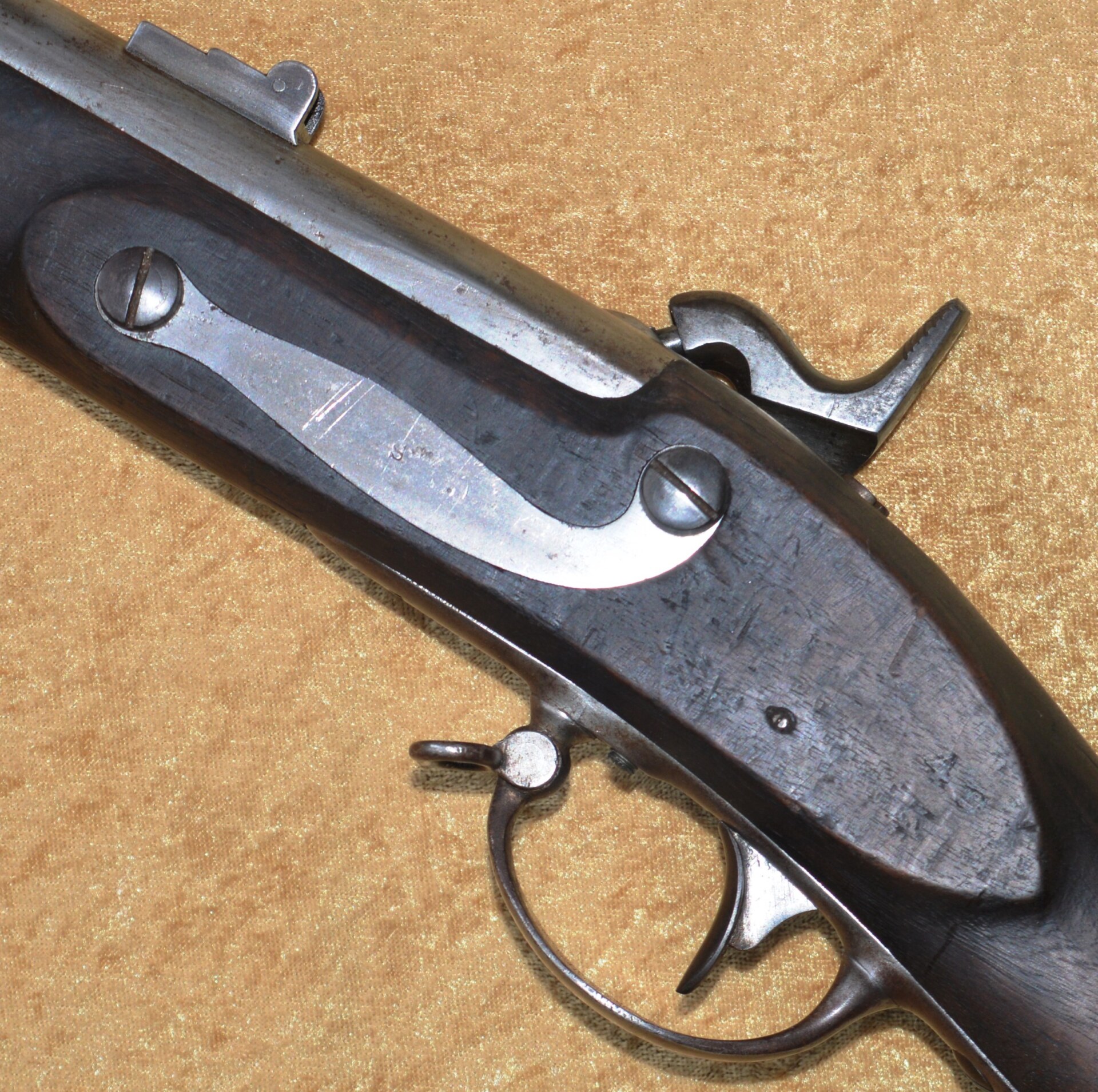
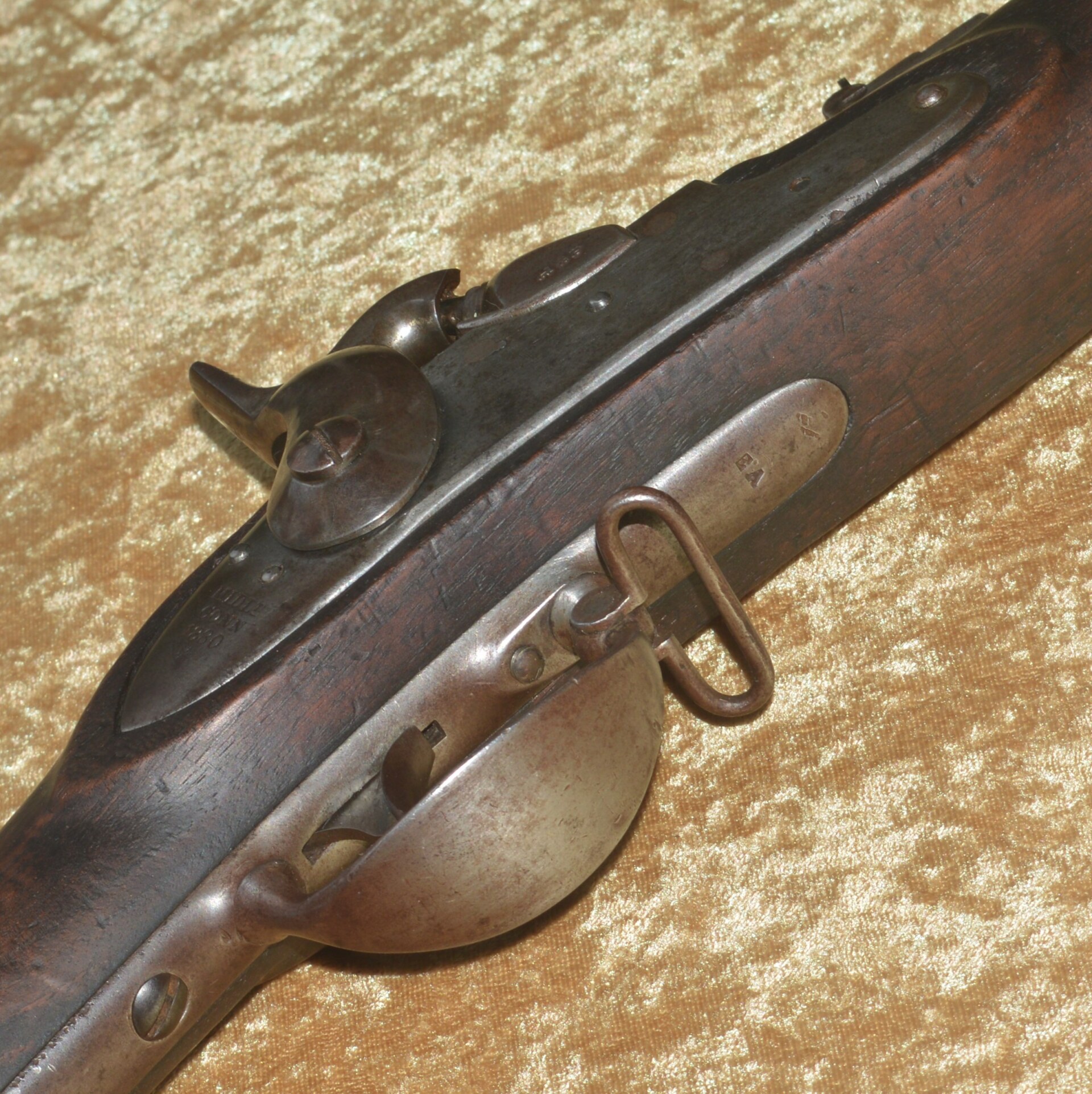
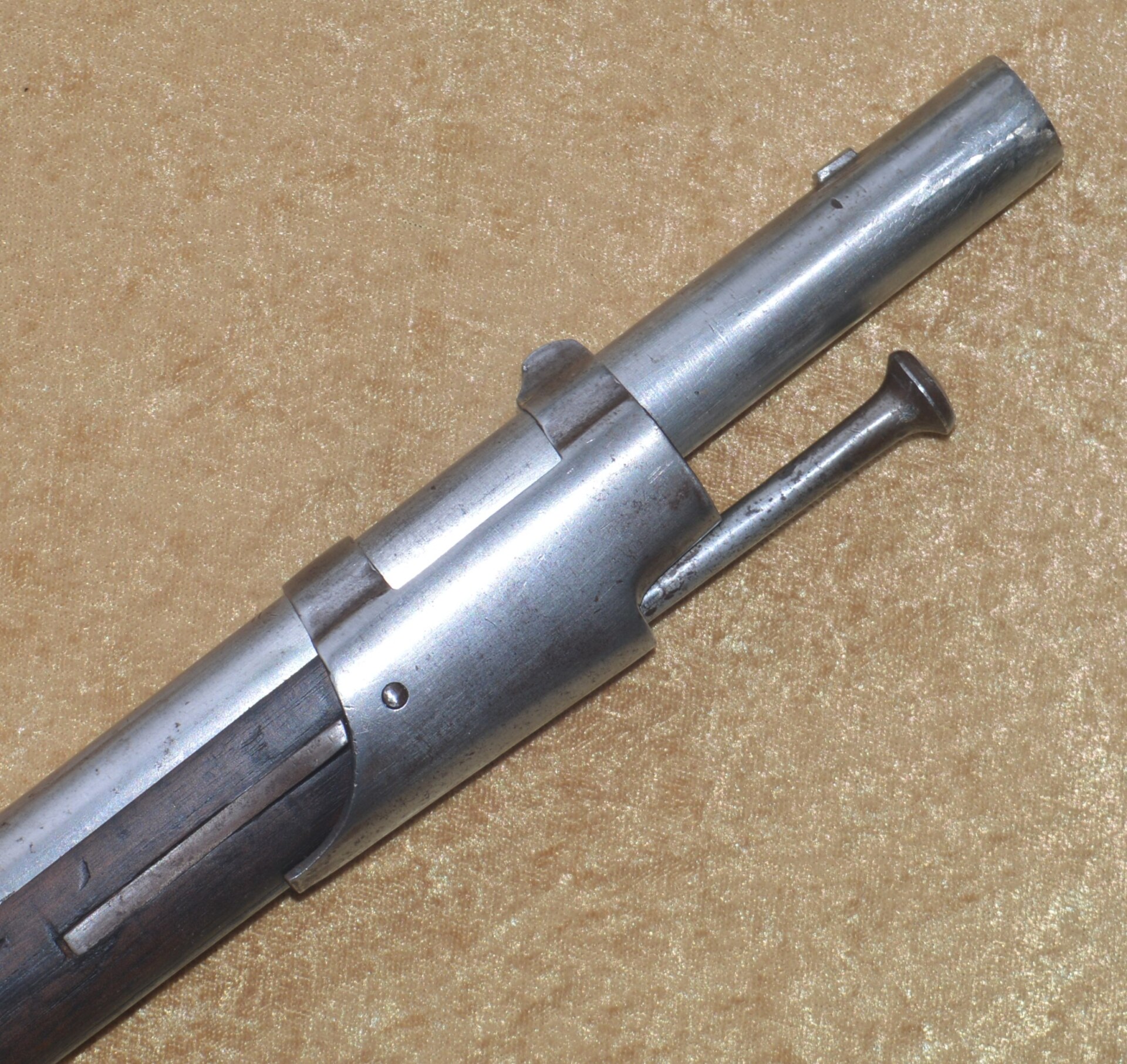
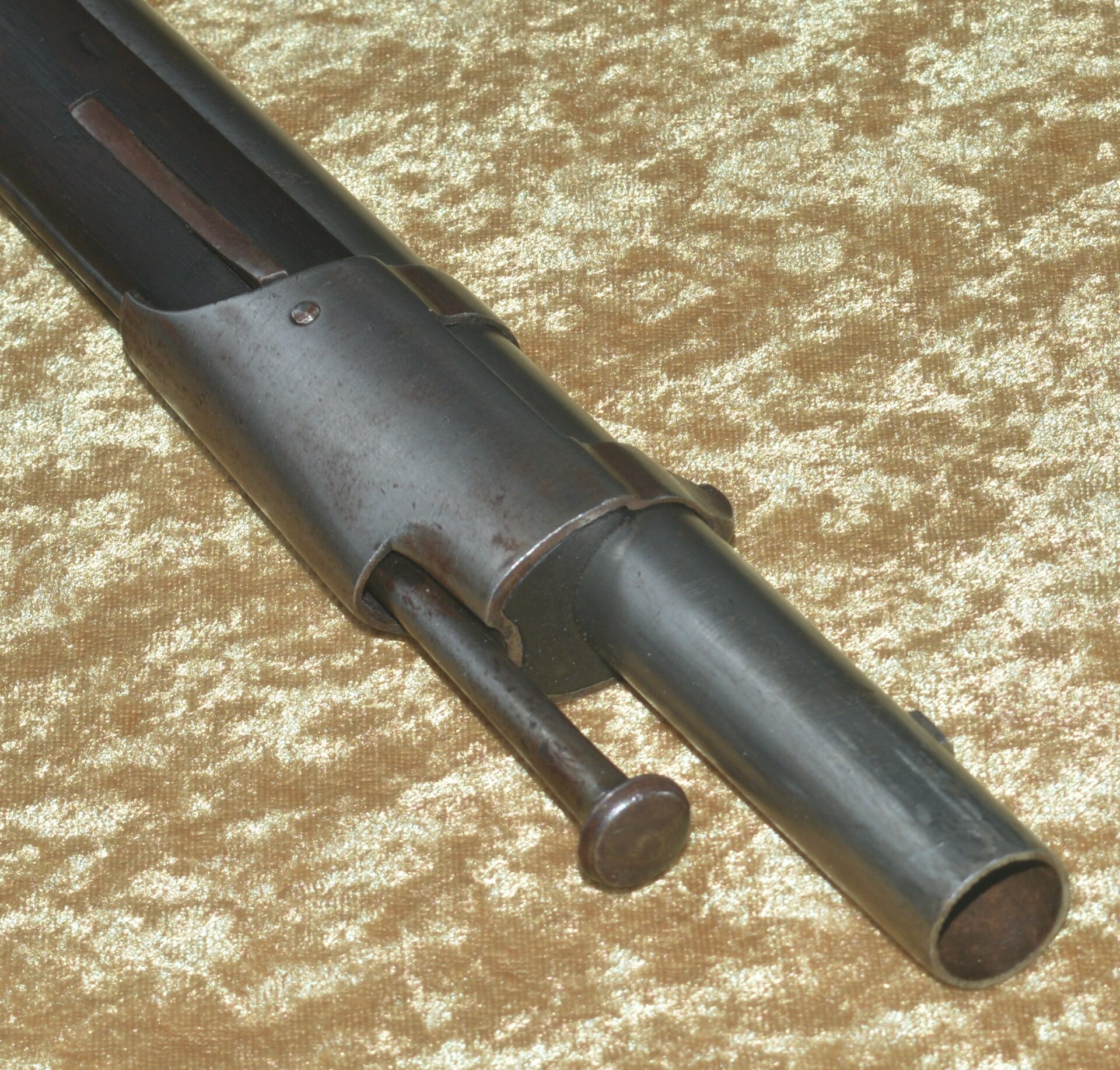
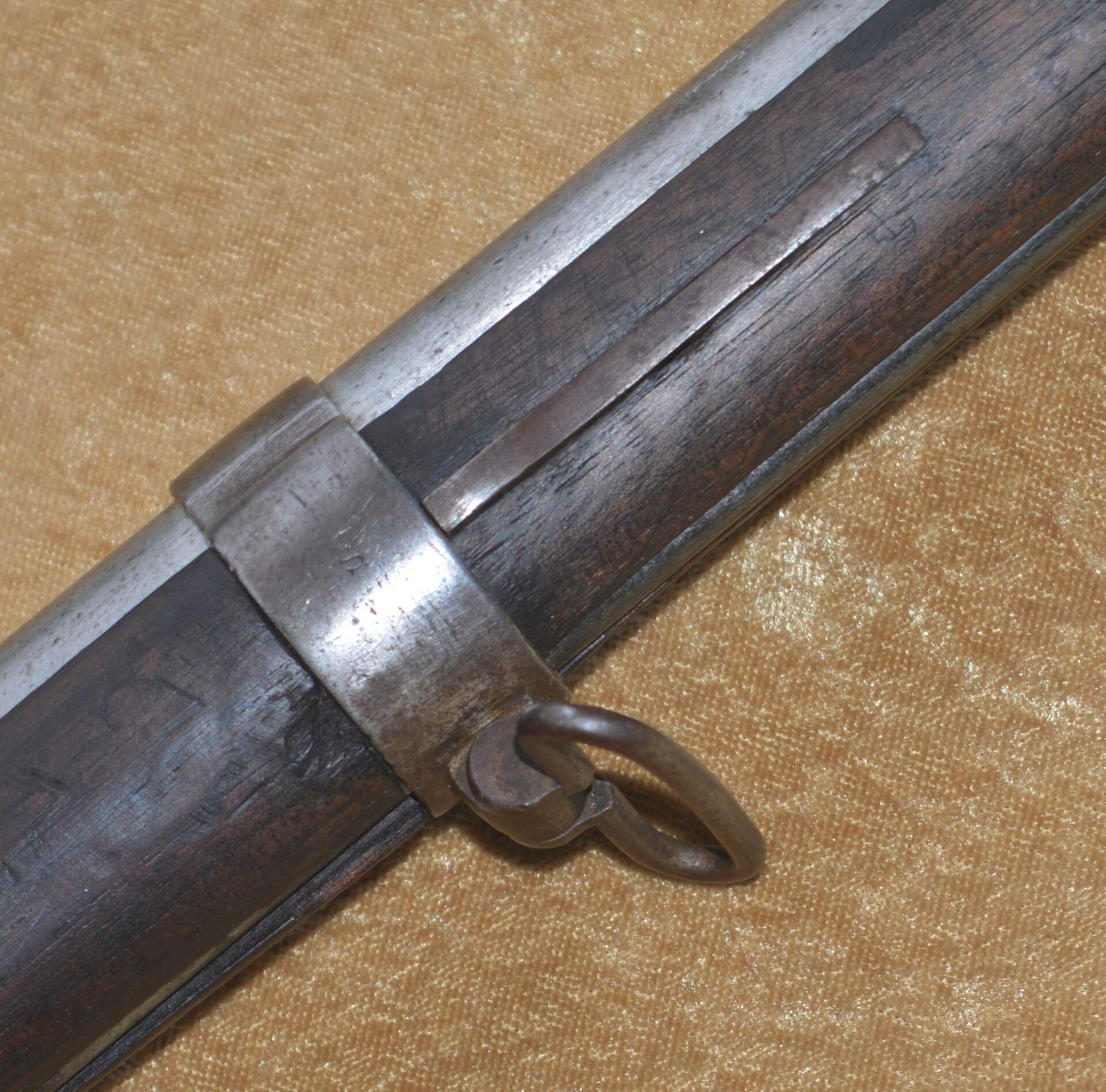
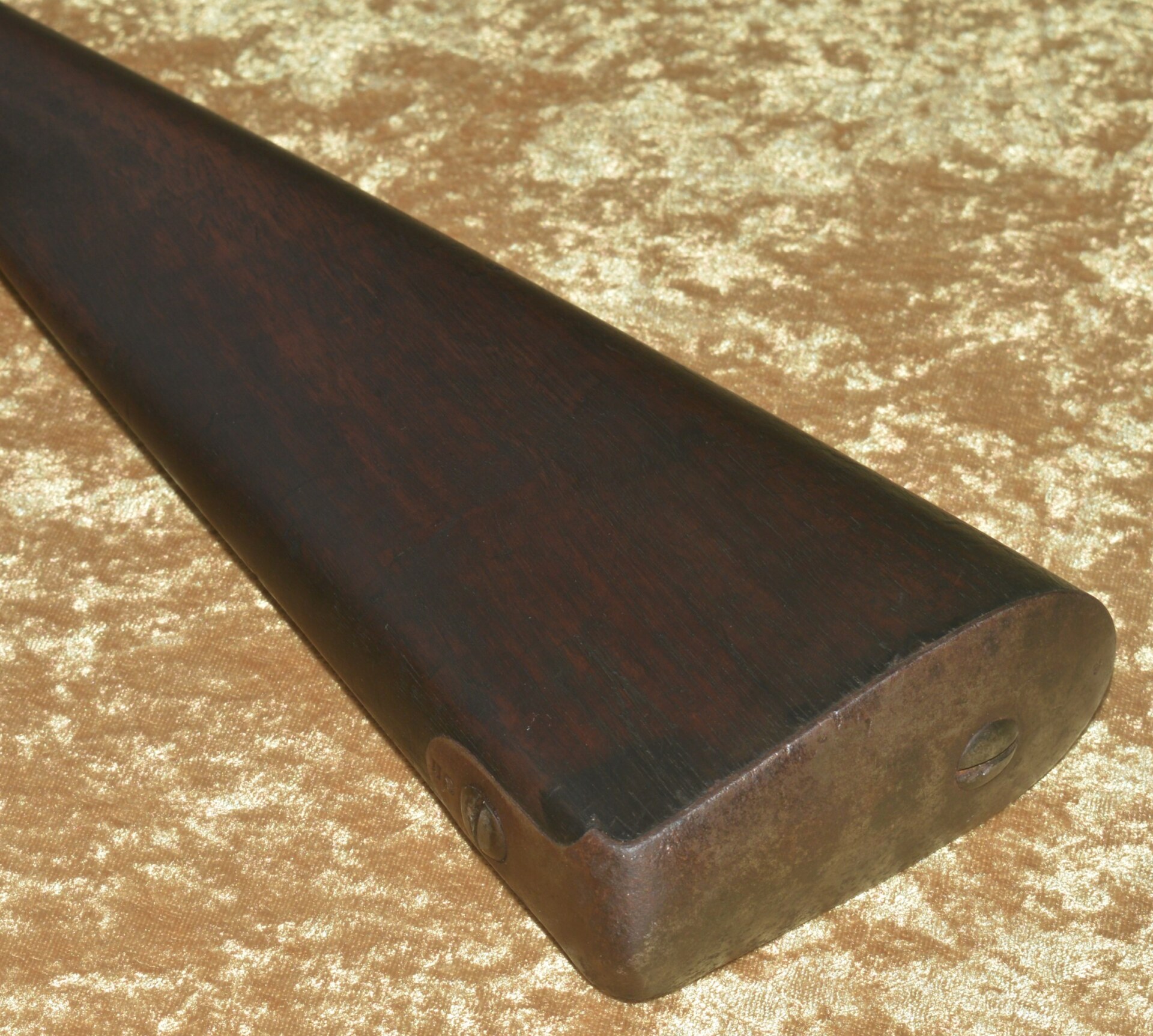
joins the barrel; no visible rifling remaining. Walnut full stock with iron mounts, including 3
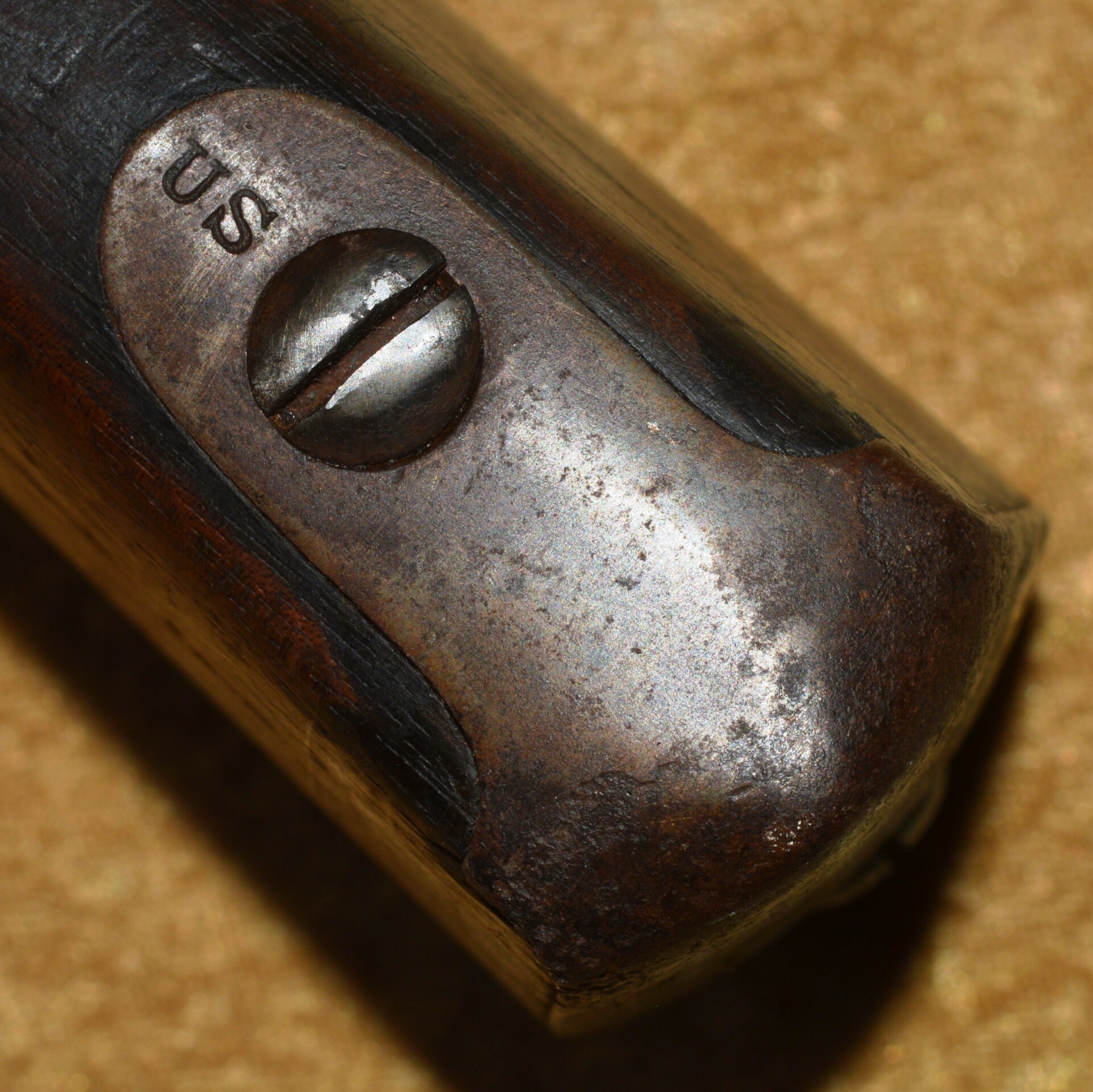
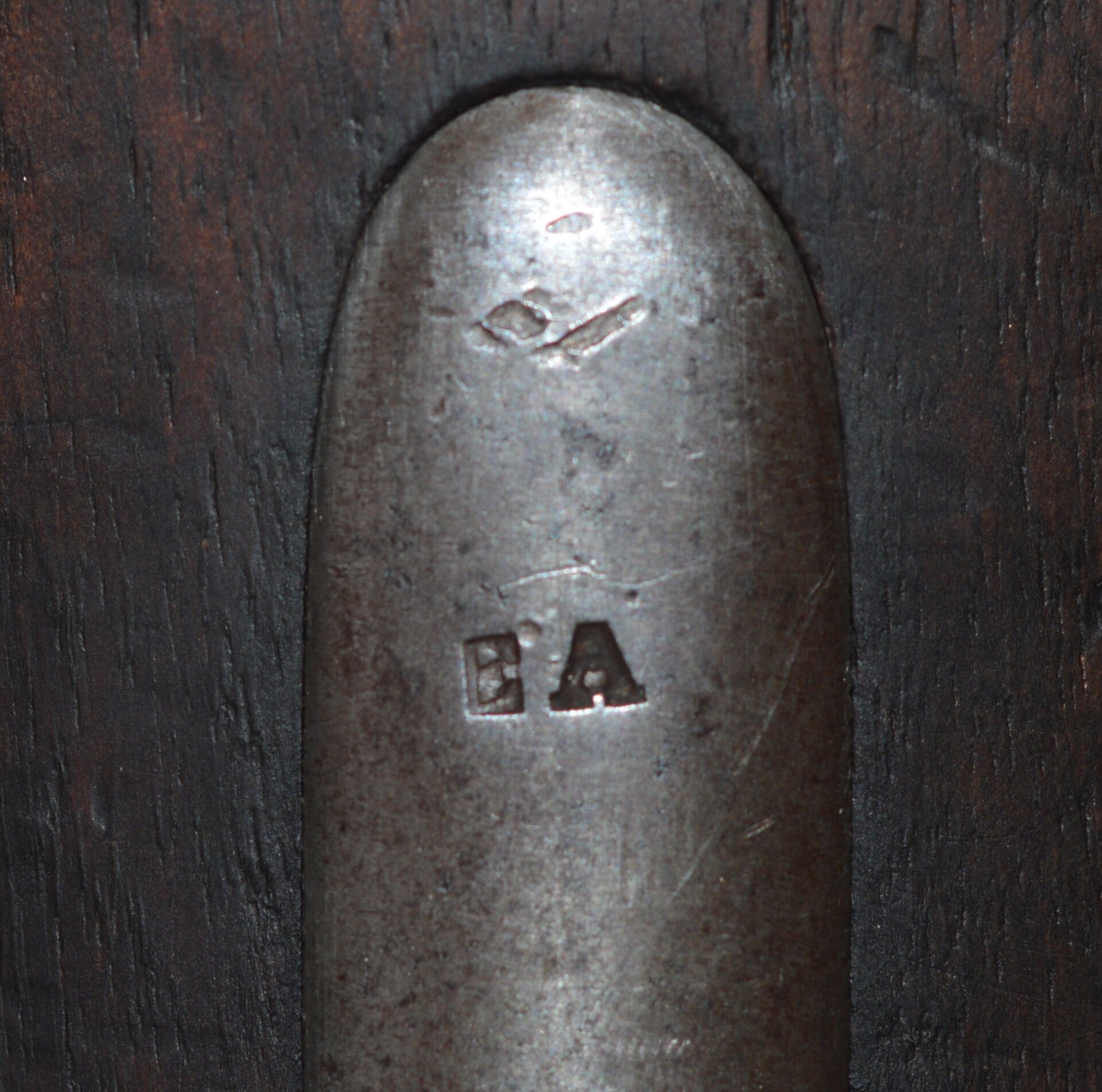
barrel bands, serpentine side plate, trigger guard with tang stamped with “EA” and “B”, butt
plate with tang stamped “US”, and ramrod with button tip. Sling swivels on the middle band
and front of trigger guard. Overall length 57 1/2″. Metal is mostly smooth and bright, with
some pitting and rust staining where the barrel meets the stock. Mechanically excellent.
Stock near excellent, with minor handling marks. This is an excellent example of a known
wartime conversion contract for use by Union troops.
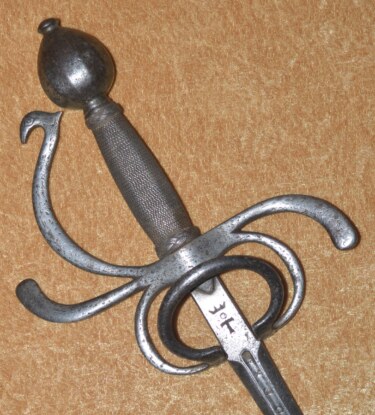 Spanish Swept Hilt Rapier, Early 17th C
 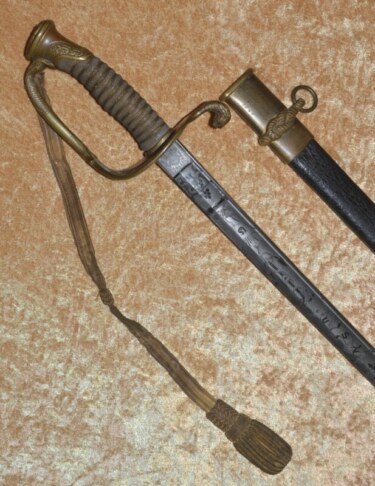 Fine Presentation Civil War M1852 Naval Officer’s Sword
 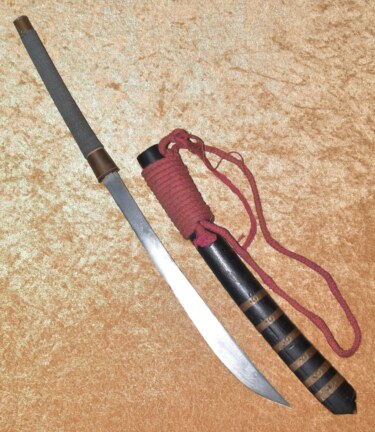 Burmese Dha Short Sword, 20th C
 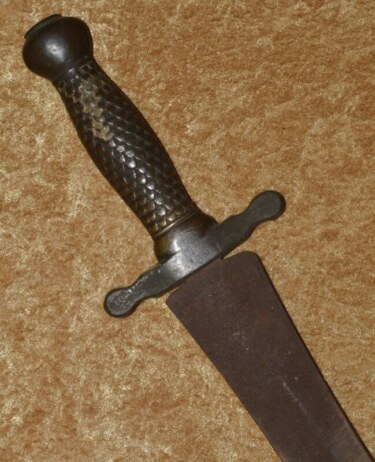 Rare Confederate Froelich Artillery Short Sword